5 Reasons We Hate Liquid Roofing Systems

Roofing 28.08.23
liquid roof systems

Request a FREE QUOTE

If you’d like to discuss a project you have we’d love to help.

Contact us today for a free no-obligation quote.

Get a quote

The phone rings in the GI Sykes office; it’s another request for a quote on liquid roofing systems comes in. A collective sigh rolls around the team as looks are exchanged. We loathe liquid roofing systems, and for good reason. 

So, to clue you in, we share the 5 reasons why liquid roofing systems are the outstanding roofing solution that we absolutely hate!

It Lasts Forever!

When it comes to longevity, liquid roofing systems excel. While ‘forever’ might be an exaggeration, these systems offer an impressive lifespan ranging from 15 to 25 years. What makes them so resilient? We’re glad you asked.

Firstly, the seamless application method eliminates the risk of water ingress, providing reliable protection against leaks. Additionally, liquid roofing is highly flexible, enabling it to conform to areas with curves or slight height changes, ensuring complete coverage and preventing potential weak points. 

Liquid roofing systems are UV resistant, which helps protect against sun damage and extend their lifespan. This is fairly essential when it comes to roofing, as your roof is going to be exposed to the sun for decades to come.

These systems are crafted using high-quality materials, guaranteeing their durability and reliability. So you can put your roof to the back of your mind where it belongs.

But why do we hate this? Because we have to wait a really, really long time to come back and replace it! 


It’s Safer To Install

Liquid roofing is definitely as different as it sounds, but perhaps not for the reasons you’d think. It’s important to note a distinct characteristic that sets it apart from other roofing solutions: its safety.

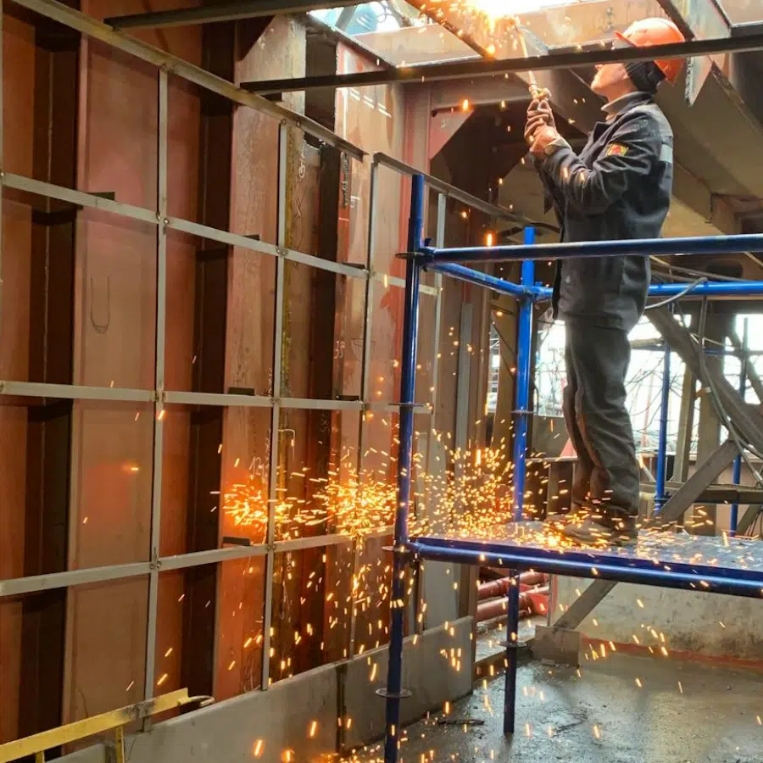
Unlike traditional roofing methods that may involve open flame application, liquid roofing systems are cold applied, eliminating the need for fire or heat sources during installation. 

While the fun of using a blowtorch might be exciting, the cold application method significantly reduces the risk of accidents, ensuring the safety of both our team and your property. 

Our poor team, though, they miss the thrill of working with flames! 

(We acknowledge that safety is paramount and prioritise it during every liquid roofing project!)
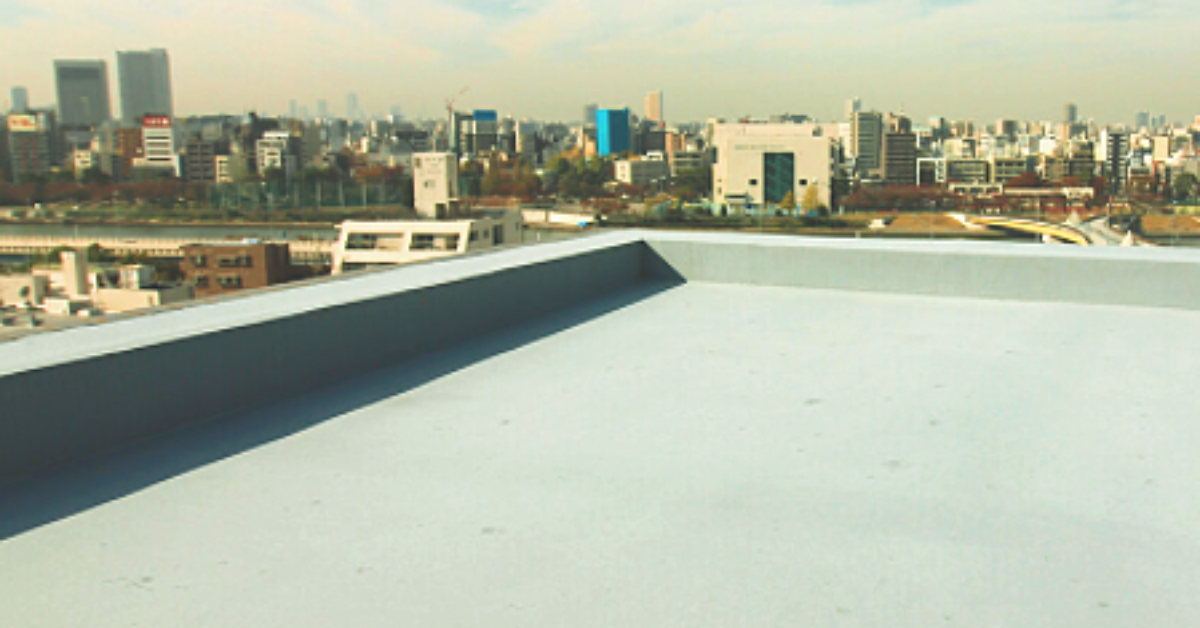
Liquid waterproofing for flat roofs

It’s A Quick Job

Often with maintenance, time is of the essence, and liquid roofing systems offer a swift and efficient installation process. If you have a smaller roof, the installation can often be completed within just a couple of days. Larger projects take more time but are still impressively fast.

The lightning-quick speed of installation with liquid roofing systems not only saves time but also reduces labour costs, making it a more cost-effective choice for property owners. Ultimately, you get more for your money since the installation job isn’t a lengthy one, and the roof you get is robust and long-lasting.

However… it does mean that our installation experts working on liquid roofing projects don’t get to enjoy the view from up high or catch some rays while working… sigh.

It’s Low Maintenance

One of the significant advantages of liquid roofing systems lies in their low maintenance requirements. Liquid roofing systems are incredibly resilient to weathering and are designed to withstand the test of time, which is great news if you have big plans for your commercial building or premises.

These roofs are engineered to resist UV exposure, extreme temperature fluctuations and even the damaging effects of high winds. In the UK, these are surprisingly important factors for a roof, as our weather and sun can reach occasional extremes, whatever the season.

Plus, since liquid roofing systems are applied seamlessly, there are no joints or seams that can serve as weak points for water penetration, providing a robust barrier against leaks and moisture damage. The low-maintenance nature of liquid roofing is a boon for property owners, as it means fewer inspections and repairs are necessary. 

Great for you, but means we don’t get to do as much! All you need is a professional inspection, a clean every so often, and you should be golden.

It’s Easy To Repair

Another sigh, as this means little to no costly repairs.

In the event of minor damages, such as small rips or tears caused by accidental dragging across the surface, repairs can be easily executed with a straightforward infill and seal process. 

Over time, you may encounter cracks due to prolonged UV exposure. These cracks can also be sorted efficiently, allowing for quick repairs that maintain the integrity of the roofing system overall.

The simplicity and cost-effectiveness of liquid roofing repairs mean that you save both time and money while making sure your building is protected. 

And that means you won’t see us anytime soon since you and your roof won’t need us much!

Do We Really Hate Liquid Roofing?

We hope you know most of this is in jest. We really think that liquid roofing is an incredible roofing solution, and it’ll mean your property is well protected for many, many years.

It’s just that we love our clients, and liquid roofing systems mean we don’t get to see them as much!  

So, whether you’re considering a new roof or weighing up roofing options for your next project, be sure to explore the advantages of liquid roofing systems. We are happy to discuss any questions you have. Get a quote today to see why we don’t really hate liquid roofing systems!

Latest Articles

Previous
Next

Common Problems With Liquid Roofing Systems

Roofing 14.07.23
liquid roof second

Request a FREE QUOTE

If you’d like to discuss a project you have we’d love to help.

Contact us today for a free no-obligation quote.

Get a quote

Liquid Roofing is one of the most popular roofing systems available – and for good reason. Liquid roofing provides both a reliable finish and a lovely, smooth appearance. It’s the ideal solution for many businesses and homeowners in need of a secure roofing system.

While it’s incredibly durable and long-lasting, nothing is perfect, and in this blog, we will look at the most common problems with liquid roofing systems.

What Are Liquid Roofing Systems?

If you’ve never heard of it before, liquid roofing might sound odd. It is, in fact, a modern roofing solution, offering a more durable and sleek alternative to EPDM or felt roofing. These are both traditional roofing options, and each has its own benefits, but liquid roofing provides some unique advantages.

This system is applied to the surface of the roof in a cold liquid form. It is left to cure into a long-lasting and resilient membrane that is fully waterproof.Not only is liquid roofing quicker to apply – as it can be spread across any prepared roofing structure efficiently – it also gives you unbeatable waterproofing.

That being said, there are problems with liquid roofing systems, just as there are problems with any roofing option. Sometimes, the worst happens against all the odds. Tears can occur, your system may not be properly applied, or it might not be right for you. 

There’s a lot to consider, so let’s start with the advantages of liquid roofing.

What Are The Advantages Of Liquid Roofing Systems?

As we mentioned, there are problems with liquid roofing solutions. But there are a lot of advantages to choosing liquid roofing too. 

A liquid roofing system makes for an excellent choice for almost any roof type, particularly flat roofs and pitched roofs. It can be applied to a wide range of materials, making it an easy choice for anyone with felt, metal, concrete or asbestos roofs.

Both residential and commercial buildings can use a liquid roofing system, as the finished product is both safe and extremely long-lasting. Here’s what you can look forward to with a liquid roofing system:

Lasts 30 years

Because of its unique composition and application process, this type of roofing system has exceptional longevity, boasting a 30-year-plus lifespan. This reduces the need for future replacements or repairs. 

Durable

Not only will your liquid roofing system last a long time, but it will also keep performing well throughout the years. The natural durability of the waterproofed membrane makes it resilient to even the harshest weather conditions. It can even withstand physical impact.

Seamless appearance

Your roof structure is safe, but how does it look? Liquid roofing provides an aesthetically pleasing finish with a seamless, smooth appearance. It can offer a flawless final look that matches perfectly with your property.

Watertight

A liquid roofing system gives you superior waterproofing, keeping your roof and your building safe and secure in all weather conditions. The properties of the liquid roofing membrane make it reliably watertight, so you can relax even on rainy days. 

Energy efficiency/insulation capabilities

This system stands apart from others because of its impressive energy efficiency and insulation properties. It can enhance your building’s energy performance by reducing heat loss and improving warmth retention in cooler months.

The Common Problems with Liquid Roofing Systems

Like any roofing system, there are some common problems with liquid roofing systems. Fortunately, there aren’t that many. It is an overall reliable system that has proven itself over decades of applications, but knowing what could go wrong is still important.

Use A Pro

Firstly, it takes a professional to apply your liquid roofing system properly. A lot could fail during application if you don’t know exactly what you’re doing. It may sound simple enough to spread the liquid and wait for it to dry, but you could make mistakes at each step, resulting in poor performance or a lack-lustre finish.

Tears And Rips

One of the things that can happen if your liquid roofing isn’t correctly applied or maintained is tearing. This isn’t a likely or frequent occurrence, but there is always a chance the membrane may rip in certain circumstances. 

A large tree branch may fall on your roof and tear the membrane, or if you climb onto your roof and accidentally cause severe damage, you could jeopardise the integrity of the material. Again, unlikely but not impossible.

Slippery

It’s important to remember that by its nature, your liquid roofing system is a smooth, waterproof membrane. It has a similar surface appearance to slick plastic. That means when it rains, your roof becomes noticeably slippery. It’s unwise to attempt to walk on or work on the surface of your roof when wet because you are likely to slip.

Cost

Compared to traditional roofing systems that were once the default or only options, one of the biggest problems with liquid roofing systems is the price. 

It can cost more than other options, but its benefits tip the scale in its favour – especially since its longevity will mean fewer repairs or replacements in the future, making it more cost-effective.

Forgetting To Check On It!

Since liquid roofing systems are so effective, neglecting essential maintenance is easy. Your liquid roofing can last for 30 years, but only if you continue to ensure its maintenance.

We recommend regularly inspecting our liquid roofing to ensure everything is in order. This can be a simple visit from a qualified roofing professional who can let you know whether you might not have noticed anything that has happened to your roof – such as damage or tearing.

Even easier than that, you can check for tears, rips or bubbles. If your roofing was properly applied, you’re unlikely to find these. It’s worth being cautious and putting your mind at ease by doing a quick visual inspection when possible.

Should You Choose A Liquid Roofing System?

If you’re looking for a roofing system that is long-lasting, reliable, watertight and visually impressive, look no further than liquid roofing. 

There are very few problems with liquid roofing, especially compared to some other, more traditional options. 

Get in touch to find out if your roof is suitable for a liquid roofing system here. 


Latest Articles

Previous
Next

Commercial Roof Repair: Why You Need a Professional Contractor

Contractors 07.07.23
Metal Roof repair pic 2

Request a FREE QUOTE

If you’d like to discuss a project you have we’d love to help.

Contact us today for a free no-obligation quote.

Get a quote

Commercial roofs are an essential component of any business premises. They provide shelter and protection for the building and its occupants. However, like any other part of a building, commercial roofs are subject to wear and tear and require maintenance and repairs over time.

When it comes to commercial roof repair, hiring a professional commercial roofing contractor is always advisable. Below are the benefits of hiring a commercial roofing contractor for your business premises.

Quality Workmanship

Commercial roofing contractors specialize in their domain, possessing extensive experience and know-how in commercial roof repair. Equipped with the necessary skills and tools, they can perform maintenance and repairs at a high level of quality. Moreover, they use high-quality materials that are specifically designed for commercial roofs. This means that the work they carry out will be of a higher quality than if you were to try to repair the roof yourself or hire a general contractor who does not specialize in commercial roofing.

Safety

Working on a commercial roof can be dangerous, particularly if you are not trained or experienced in doing so. Commercial roofing contractors are trained to work safely at height and have the necessary safety equipment to do so. By hiring one, you can ensure that the work is carried out safely and without any accidents or injuries.

Cost-Effective

While it may seem like hiring a commercial roofing contractor is an expensive option, it is often more cost-effective in the long run. These contractors have access to high-quality materials at a lower cost than if you were to buy them yourself. Additionally, they have the necessary tools and equipment to carry out the work efficiently, which can save time and money.

By hiring a commercial roofing contractor, they can guarantee that the necessary repairs are done accurately from the start. This can save you money by preventing expensive fixes or replacements in the future.

Warranty

When you hire a commercial roofing contractor, you can often benefit from a warranty on the work carried out. This means that if there are any issues with the repairs or maintenance, the contractor will come back and fix them at no extra cost. This can give you peace of mind knowing that the work is guaranteed and that you will not have to pay for any further repairs.

Time-Saving

Commercial roofing repairs can be time-consuming, particularly if you are not experienced in doing so. By hiring a contractor, you can save time and focus on your business while the repairs are carried out. Additionally, they have a team of workers who can work efficiently to complete the repairs in a timely manner.

Professional Advice

Commercial roofing contractors are experts in their field and can provide professional advice on the best course of action for your commercial roof. They can advise you on the best materials to use, the most cost-effective solutions, and the best maintenance practices to keep your roof in good condition. This advice can save you time and money in the long run by ensuring that your roof is well-maintained and does not require frequent repairs.

Conclusion

Hiring a commercial roofing contractor for your commercial roof repair needs has numerous benefits. They provide quality workmanship, ensure safety, are cost-effective, offer warranties, save time, and provide professional advice. By entrusting your commercial roof repairs to a professional, you can ensure that the work is carried out to a high standard and that your roof remains in good condition for years to come.

Contact G.I.Sykes now to get expert commercial and industrial building, painting, and maintenance services. Our team specialises in on-site spraying, protective coating installation, and building repairs to ensure your premises are in top condition. Trust us to provide exceptional services that meet your needs and exceed your expectations.

Latest Articles

Previous
Next

Can You Put a Flat Roof on a Residential Building?

Roofing 16.06.23
flat roof repair second

Request a FREE QUOTE

If you’d like to discuss a project you have we’d love to help.

Contact us today for a free no-obligation quote.

Get a quote

For many homeowners, the idea of a flat roof on a residential building might seem like an unconventional choice. However, flat roofs have been used extensively in commercial and industrial buildings for decades, and are increasingly being adopted for residential buildings as well. 

So, let’s explore the feasibility of installing a flat roof on a residential building, discussing the various factors that you need to consider and weighing the pros and cons of this roofing option.

The Legality of Flat Roofs on Residential Buildings

First and foremost, let’s address the legality of installing a flat roof on a residential building in the UK. The good news is that, in most cases, a flat roof is entirely permissible on residential properties. It’s crucial, however, to ensure that you comply with building regulations and planning permissions and consult with a professional architect or structural engineer to ensure your design is safe and suitable for your property.

Advantages of Flat Roofs on Residential Buildings

  • Modern Aesthetic Appeal: One of the main reasons homeowners opt for a flat roof is the sleek, modern aesthetic it lends to the property. Flat roofs can complement the contemporary architecture, offering clean lines and minimalist appeal.
  • Space Utilisation: Flat roofs provide additional usable space, which can be utilised for various purposes such as rooftop gardens, solar panel installations, or even outdoor living spaces. This can be a significant advantage in urban areas where space is often at a premium.
  • Cost-Effective: Flat roofs can be more cost-effective than traditional pitched roofs, as they require fewer materials and are generally quicker to install, leading to reduced labour costs.
  • Accessibility: Flat roofs are easier to access and maintain, simplifying tasks like gutter cleaning, repairs, and other maintenance work. This ease of access can help extend the lifespan of the roof as any issues can be addressed more promptly.

Disadvantages of Flat Roofs on Residential Buildings

  • Drainage Issues: One of the primary concerns with flat roofs is their ability to drain water effectively. While a slight pitch can be incorporated into the design to encourage water runoff, inadequate drainage can lead to pooling water and subsequent leaks or structural damage. With that in mind, it’s essential to work with a skilled roofing professional to ensure proper drainage is in place.
  • Structural Stability for Winter Seasons: Flat roofs may not be suitable for areas with heavy snowfall, as the lack of pitch can cause snow to accumulate and put pressure on the roof’s structure. If you live in an area prone to heavy snow, it’s essential to consult with a professional to determine if a flat roof is the right choice for your home.

The Bottom Line

It’s certainly possible to install a flat roof on a residential building in the UK, provided you take the necessary steps to ensure its durability and performance. By choosing the right materials, insulation, and drainage system, a flat roof can be an attractive and functional addition to your home, offering a range of benefits from increased living space to improved energy efficiency.

When it comes to finding the best builders in Birmingham, G.I.Skyes is a top choice for your construction needs. Contact us today to discuss your project and experience the G.I.Skyes difference for yourself!

Latest Articles

Previous
Next

Flat Roof: Repair Or Replace?

Roofing 14.04.23
flat roof repair second

Request a FREE QUOTE

If you’d like to discuss a project you have we’d love to help.

Contact us today for a free no-obligation quote.

Get a quote

Flat roof looking worse for wear? Wondering if you should look at flat roof repair or go for a full replacement? How do you even know when your roof is in need of attention?

As far as roofing goes, flat roofs are effective and long-lasting, but like all things, they eventually become victims of old father time. Common problems can occur with leaks, moss and weathering; if ignored or unnoticed, you can end up with a far more significant problem.

Knowing whether your problem requires repairing or replacing your flat roof can be difficult. But a little knowledge can go a long way, so we’ve written this blog to give you everything you need to know about flat roof repair so that you can make an informed decision.

Types Of Flat Roof

First things first, what type of roof do you have? 

To find out whether you need flat roof repair, you need to know what kind of roof you’re dealing with. Your roof structure can impact a few factors when it comes to repairing or replacing, like risk, cost and difficulty. 

Take a look at the three types of flat roofing and see which one sounds most like yours.

BUR

A BUR is a Built-Up-Roof. This is a roofing system that uses layering to create a strong and durable roof. Various materials are built on top of each other in a method that’s been used for over 100 years. It’s a tried and tested system, though we’ll admit the materials used have been updated over the years for a longer-lasting result.

MBR

A Modified Bitumen Roof – or MBR – is a commonly used alternative to traditional built-up roof styles. To get its flexible quality it’s made of asphalt lined in a mineral topcoat. Usually, it’s part of a two or three-layer system to make sure it stays watertight for longer. 

EPDM

Used worldwide, EPDM (ethylene propylene diene terpolymer, quite the mouthful we know) has grown in popularity recently. It’s an extremely secure and reliable solution for flat roofing, because of its easy and quick installation and durable finish. 

Now you know what type of roof you have, you’re armed with the knowledge you need to prepare for that looming repair or replace decision. 

But hold on – how can you tell if your flat roof is even in need of repair to start with? Well, your roof will certainly let you know when some noticeable problems start appearing.

Common Flat Roof Repair Problems

Of course, if your roof is falling in and you stay drier outside than in, you’d know it was time for a new roof. But the signs that you need some flat roof repair help can be a bit harder to spot, especially since you probably don’t go up a ladder to inspect your roof every week.

The most common culprits for roof damage and wear are also the clearest indicators that you should think about repairing sooner than later. 

Leaks

Leaking is most often the result of damage to the membrane layer of your flat roof. The damage level can vary in severity but the more leaks you see, the more damage is likely. Some tears are easily repaired or patched but bigger areas might be more cost-effective to replace.

Pooling/Ponding Water

Water pooling is a result of an uneven flat roof surface. In most cases this defect can be repaired, but if left too long bigger problems can rear their head, which might be more expensive and end up requiring a full replacement.


Moss, Algae and Plant Growth

The growth of all things green or gooey is the result of dampness. This is a bad problem to have because it encourages bugs, pests and birds to come up and nest or feed. This growth holds water so it can add weight on your roof, but maintenance can keep it at bay altogether.

Alligatoring

Cracking of your top membrane layer is usually the result of weathering after constant UV rays and extreme temperatures. It can lead to water ingress, leaks, and further damage of your flat roof structure. Repair is your best choice if the area is small, but replace if it’s big.


What’s The Cost Of Flat Roof Repair?

As you might expect, flat roof repair is cheaper than replacement, but depending on the scale of damage you’re dealing with, it can be more cost-effective to replace.

Factors to consider when you’re choosing between flat roof repair or replacement are…

  • The size of the problem – big and small problems both require quick action, to prevent the situation from worsening and taking the choice out of your hands.
  • Type of repair – there are lots of options to fix a flat roof including EPDM, PVC, mastic asphalt and more, and each method has its own costs, difficulty and results.
  • Cost – a lot goes into the cost of your repair, like scaffolding if required, materials, labour, insurance – and not forgetting that quality work is worth a higher investment.

While replacement can set you back considerably more, the price of flat roof repair also has a lot of dependent factors. From the size of your roof, to the material of your roof and the method being used to fix it, there’s a lot that goes into the cost. 

Now, we can’t give you an exact price (unless you get in touch for an accurate flat roof repair quote), but generally speaking, you can pay anywhere from £800 – £1400 for your flat roof problems to be solved. 

Should You Repair Or Replace Your Flat Roof?

It’s the big question. Repair or replace? Replacing your flat roof is likely to cost you more, and repairing an issue before it gets worse is always the ideal solution. In most cases, common problems can be resolved through repair and ongoing maintenance. 

While you might be tempted to DIY your repairs, it’s worth getting a price from our flat roofing experts, and getting the job done right the first time.


Latest Articles

Previous
Next

Why Flat Roof Repair Is So Expensive?

Roofing 28.02.23
flat roof second

Request a FREE QUOTE

If you’d like to discuss a project you have we’d love to help.

Contact us today for a free no-obligation quote.

Get a quote

If you’re looking into repairing a flat roof, you probably have a few questions about it. The usual queries we get at GI Sykes are things like: ‘how long does flat roof repair take?’ and: ‘how do I know if I need to repair my flat roof?’. But the question we’re asked the most is ‘is repairing a flat roof expensive?’

Well, how long is a piece of string?

We’re joking, of course – but the reality is, estimating the cost of a flat roof repair means understanding just what the problem is and the extent of the work that needs to be done. It also depends on what you consider expensive – for some businesses, a couple of thousand pounds is a small amount to find; for others, it’s going to be tight. 

So, while we can’t give you a specific answer in this blog, we can outline the factors we use when pricing a roof repair. That way, you can a) understand our quote when we send it to you and b) make sure any other quotes you get includes everything to avoid any nasty ‘hidden’ extras.

Let’s get to it!

Flat Roofing Repairs: An Overview

Repairing a flat roof can mean anything from a quick patching job to a whole roof coating – and obviously, these carry very different costs. Below you’ll find a rundown of the common issues we carry out roof repairs on.

Alligatoring

Alligatoring is a term used to describe one of the most common problems experienced with flat roofing. It’s when the asphalt used to coat your roof’s membrane starts to age. Over time, the asphalt loses its elasticity and starts to dry out, and as it does so, it begins to resemble the skin of an alligator. And while this might be a fashion statement on a handbag, it spells big trouble for your roof.

You see, asphalt is what keeps your roof watertight, so once that’s compromised, you are more likely to find other problems arise, like leaks.

Leaks & Water Ingress

You probably don’t need a blog to tell you that if water is coming through your roof, you need to get it repaired. So we won’t. But we will explain why it’s happening and what it means if you delay sorting it. 

Leaks happen because your roof coating has been jeopardised. That may be because of a tear, it may be because of total coating failure, or you might have a missing flashing. Whatever the reason, fixing the cause means you don’t risk more substantial problems with the structure of your roof or the ceiling below. Water seeping in can cause the wooden beams to rot, the plaster to come away and mould to form – all things you want to avoid.

Blistering

Bubbles or blisters in your flat roof mean that air has become trapped between the layers of the membrane. These blisters don’t pose an immediate threat, but the coating can crack over time, allowing water in. If you only have a few small blisters, you can keep an eye on their development and delay your flat roof repair for a short time; however, if there are lots of bubbles or they’re large, you should address the issue promptly.

Ponding & Pooling Water

If your roof has puddles that take a while to dry up following rain, you might have what’s known as ponding. It means that your flat roof is no longer completely flat but has areas where it has sunk. Water collects here rather than running off and, depending on how deep they are, can take a long time to dry out. 

Standing water on your flat roof can affect the integrity of the coating, add to the weight load of your roof, it can freeze and cause splits.


So, What Makes Repairing A Flat Roof Cost So Much?

Once the issue (or issues) has been identified, we will look at what we need to do to repair your roof. There are some things we’ll require for all jobs, and some are more specific. The factors we include for all flat roof repairs are;

Scaffolding

Most roofing work needs safe access and platforms for contractors to work from. Scaffolding adds to the cost of your project, but it also adds to its safety. 

Materials

It’s no secret that construction materials have been subjected to some rather eye-watering price increases over the last couple of years. Low stock, supply chain disruptions and increases in shipping, energy costs and fuel have meant that some products have gone up by 20% since 2020. 

Your flat roof repair cost will depend heavily on what materials we need. However, thankfully, a lot of the materials we use for roofing have started to drop in price, but things like timber are still fluctuating.

Quality

One factor that makes repairing a flat roof a costly venture is the quality of the contractor you use. You can probably find someone willing to carry out the work for a lesser price, but with so many rogue traders cashing in on people’s desire to cut costs, there’s a chance you end up with a roof repair that won’t last – or worse still, that never happens.

We all know the horror stories of customers handing over hefty deposits for work that doesn’t get done. And it’s sadly all too common. 

GI Sykes has been around for half a decade – we’re certainly not going anywhere! We employ all of our staff rather than use sub-contractors; each is highly experienced and trained in their trade. We wholeheartedly stand by the quality of our workmanship and guarantee it, so you know that your roof repair is an investment that will see you right for years to come.

Plant & Equipment

Like our people, we only use the most effective and reliable machinery, which is regularly serviced and maintained. It ensures the safety of the operatives, the safety of your building and delivers a better job. 

Insurance

If you own a company, you’ll know that commercial insurance is an essential cost of business. We carry the highest levels of insurance, which protects you just as much as us when we’re working on your premises. 


Flat Roof Repair: Expensive, But Cheaper Than Flat Roof Replacement!

So there you have it, some of the reasons why repairing a flat roof costs what it does. But before you dismiss your roofing issue as one you can ignore, have a quick Google for the cost of roof replacement – it’s a whole lot MORE expensive!

If you want to talk to us about any issues you have with your flat roof, please get in touch. We can arrange a no-obligation consultation so you can find out exactly what it’ll cost to have it repaired.

Latest Articles

Previous
Next

Is It Time For Building Maintenance?

Building Repairs 14.01.23
commercial spraying done

Request a FREE QUOTE

If you’d like to discuss a project you have we’d love to help.

Contact us today for a free no-obligation quote.

Get a quote


The start of the year is always a good time to check to see if you require any building maintenance. It’s not necessarily the time of year, but more the mindset of getting things up to standard for the next 12 months. 

An annual review of your property means that you can see what needs doing immediately, what needs doing soon and what can wait. You can plan your building maintenance budget and schedule accordingly rather than letting things take you by surprise. It pays to be proactive with repairs. 

So, what should you look for to see if your premises needs a little TLC?

The Roof

A good building maintenance check takes account of every aspect of your property, including the roof. You’re firstly looking for obvious signs of damage or disrepair – leaks, holes or missing parts. If all looks in good order, you need to look a little closer to be sure. 

Blisters

If you see raised bumps in your roof membrane, you may have roof blistering. It’s where a pocket of air forms between the layers of your roofing materials, usually because the membrane has lost its adhesion. They might look harmless enough, but if left, these blisters can split and let in moisture which can compromise the integrity of the roof.

Pooling Water

If you see standing water on your flat roof, it may be an indication that there’s a problem with the surface of your roof. Puddles, or pools, form when the rain rolls into a sunken area on your roof. If you’re checking your roof after a period of sunshine, look for circles of dirt and debris, as these show the areas where water pools.


Tears & Cracks

Rips in the membrane covering your roof can allow water, dirt and organic matter to get into the structure of your roof. Over time, even a small leak can mean considerable water ingress that can rot wood, damage ceilings and result in the need for much larger repair work.

The Exterior

Your building maintenance will include examining the outside of your property. In the first instance, you’re looking for things that can affect the structure of the building – cracks in the walls, patches of mould, rusting metalwork. Beyond that, you want to keep an eye on the aesthetic stuff too. Dull, faded cladding and signage can negatively impact the perception of your business, so getting that looking neat and tidy will deliver great rewards.

Unkempt Cladding

Check your cladding for dinks or cracks. Small knocks are fine, but more serious ones will need attention. If the coating on your cladding is compromised, you run the risk of rust forming and weakening your protective cladding.

There are a few options available to you if you decide that your cladding needs repairing. Cladding cleaning will remove all the dirt and grime that has accumulated on it, leaving it looking bright and clean. If the colour is looking faded or you fancy a change, cladding spraying is a quick and effective way to restore vibrance to your exterior.

Lastly, if you spot rusty edges to your cladding, then cut-edge corrosion repair will help prevent more significant damage from occurring.


Gutters

Your gutters will collect all sorts of matter over the months. Clearing them is an essential building maintenance task because if they get too compacted, water will begin to overflow down the sides of your premises.

Gutter cleaning for a commercial building is very different from clearing your gutters at home. The height and length of the gutters mean the job carries some risk and is usually best left to those with the right equipment, training and experience.

Graffiti

Sadly, an expanse of clean wall, shutter or cladding is too much temptation for some, and graffiti is the result. 

Unless it’s a Banksy, you probably don’t want to keep your new ‘art’ in place, so scrubbing it off will form part of your regular property maintenance. But did you know that we can treat your surface with an anti-graffiti coating that means future street art won’t be a problem?

The Interior

Now to the inside of your property. Your building maintenance regime should include all aspects of the inside of your warehouse, office or retail unit. 

Check that all the electrical sockets are safe, that your furniture isn’t broken and that your windows are in good working order. You probably already have scheduled fire drills, but check your fire alarm system, check the dates on all extinguishers and fire blankets and go through the First Aid kit to get rid of out-of-date medical supplies. Now, that’s not technically building maintenance, but it goes hand-in-hand with a safety check, so it works as a great reminder.

Dated Decor

While you’re pottering around, ensuring your building is safe and secure, you might notice that the paintwork looks a little tired. A spruce-up of common areas can do more than just improve the look of your building, it can boost morale too. Showing that you care about the environment that your staff or tenants work in makes them feel valued and cared for.

Commercial painting and decorating is a simple way to elevate your business profile while demonstrating your positive attitude to your workforce. 

Missing Tiles

Inspect your suspended ceiling for damaged or missing tiles. They are cost-effective and easy to replace, so you can have a lovely-looking ceiling in no time. 

However, if there’s extensive damage or you think your ceiling needs replacing, it’s worth doing sooner rather than later. If there is a risk of falling tiles, speak to a professional suspended ceiling contractor who can advise you on the best course of action.

The Floor

Lastly, we’re looking down at our feet and checking over the floor. Building maintenance includes all of your floor space, including outside. Look for potholes in your car park, missing anti-slip tread on steps, and fraying or worn carpet. Anything that presents a slip hazard needs to be at the top of your to-do list.

Poor Flooring
If your flooring isn’t holding up to the high traffic that it’s enduring, then switching to an Epoxy resin floor will save you time and money in subsequent building maintenance checks. The durable resin coats your concrete floor and lasts for up to 10 years. It’s impact resistant, repels chemicals and, as it’s so smooth, it is incredibly easy to keep clean.

Epoxy floors come in many colours, so you can even match your flooring to your branding!

Missing Markings

Check that all of your safety markings are still visible. Line markings are essential in warehouses and environments where there are vehicles and pedestrians, so ensuring they’re intact and clear is vital. If not, book a contractor to come and redo the lines as soon as possible.

Building Maintenance: Your Annual Responsibility

If you’ve not planned a building maintenance check for the next year, now is the time. Get yourself a clipboard and start looking closely at all of the things we have outlined – we promise that by being proactive with repairs and maintenance, you’ll save yourself stress and cash in the long run. 

And if you want to pass the obligation onto a professional team who can ensure every aspect is thought of, then talk to us about our property maintenance services. We can create a package that spreads the cost, so you get high-quality maintenance without a huge bill.

Latest Articles

Previous
Next

Do You Really Need Liquid Waterproofing For Flat Roofs?

Roofing 07.09.22
flat roof repair second

Request a FREE QUOTE

If you’d like to discuss a project you have we’d love to help.

Contact us today for a free no-obligation quote.

Get a quote

Liquid waterproofing for flat roofs is often recommended by the pros – but is it necessary and what happens if you don’t opt for it?

We get into the nitty-gritty of liquid waterproofing for flat roofs, so you can decide for yourself if you really need it…

What Is Liquid Waterproofing?


Before we get to whether or not liquid waterproofing should be on your must-have list, let’s find out what it is exactly. 

Liquid waterproofing is a roofing system that prevents water ingress into your flat roof. It’s applied as a liquid which dries into a resilient membrane, repelling water and ensuring that your flat roof remains undamaged. 

There are different types of liquid waterproofing for flat roofs, each offering slightly different benefits. You don’t need to worry about the specifics of each type as your chosen professional liquid waterproofing contractor will advise you on the most effective options. However, if you are interested you can read about each type used on the Liquid Roofing & Waterproofing Association website here.

What Does Liquid Waterproofing Do?

We know that liquid waterproofing for flat roofs stops water seeping in, but what does that mean for your roof? 

Flat roofs in particular are vulnerable to damage caused by water. Since they are, well, flat, they are at higher risk from the problems that standing water can bring with it. You might have noticed puddles and pools of water on your flat roof after a shower of rain – these can be troublesome if they don’t quickly dry out. 

The issues that your flat roof faces aren’t always obvious, so here’s what to look out for;

Pools and puddles

As mentioned above, puddles of water that don’t seem to dry are concerning. If there is any damage to the membrane on your flat roof, the water will start to seep underneath which can impact the structure of your roof. 

This can result in;

  • Weakened structural components, like beams and wall studs
  • Damaged ceilings and walls
  • Mould and mildew within your property 
  • Damp insulation that reduces its effectiveness


Organic matter

While organic produce is desirable, organic growth on your roof is not. Where there is damp and warm there will also be things like moss and algae growth, which is the perfect home for bugs and mosquitoes. And where there are bugs, there are birds looking for a tasty snack. And where are there birds, there’s bird poop. All over your roof. 

And those puddles and piles of moss can give you a pretty significant unseen problem – the added weight to your structure. Moss can hold up to 30 times their weight in water, so if you have a lot, your flat roof is under constant strain.


Cracks, tears and rips

Your roof bears the brunt of the weather. From blazing hot days where the tarmac on the roads starts to melt to blustering storms and icy cold frost – the extremes that your roof sees you through can have an effect on its condition. Small cracks can develop into big holes and before you know it, you’ve got water leaking into your building.

Careful maintenance and regular checks help you to keep on top of developing issues, but it’s only with a proactive approach that you can be totally sure that your roof is problem free. By investing in liquid waterproofing for flat roofs, you guarantee that your roof will be impervious to the wet weather.

And it’s not just the rain and damp that you’ll be protected from. Liquid waterproofing for flat roofs protects your roof against all manner of environmental damage by adding a durable layer that can withstand heat, UV light, rain and frost.

So, Do You Need Liquid Waterproofing For Flat Roofs?

You need waterproofing on your roof, that is certainly a ‘need’. Whether that’s in the form of liquid waterproofing is up to you. There are several methods of waterproofing a roof, but at GI Sykes, we’ve found the most effective and least disruptive solution is liquid roofing. Here’s why:

The liquid is applied cold, so there’s no need for hot works on your roof – that’s a huge safety risk averted – for you and us. This also means we can carry out the project without impacting your business as there is no need to close or restrict access to your building.

Liquid waterproofing for flat roofs (or pitched roofs) can be done any time of year. There’s no need to wait for dry spells since liquid roofing can be applied even in wet weather. We avoid working in torrential conditions due to safety, but in any other weather we crack on.

It’s the most cost-effective solution we offer. Not only is liquid waterproofing one of the quickest waterproofing solutions available, but we’re also adept at applying it. This means a competitive price on your project with little to no impact on your business. 

And the best bit? Liquid waterproofing for flat roofs extends the lifespan of your roof by up to 25 years. So you can delay a roof replacement for over two decades, giving you plenty of time to save and plan for it.

What Happens Without Liquid Waterproofing?

You could choose to forgo liquid waterproofing for flat roofs. Take your chances with your roof as it is, but the risk of needing significant roof repair at some point is much higher. 

You may even find yourself spending out on frequent remedial work that ends up costing more in the long run. 

Want Liquid Waterproofing For Flat Roofs Now?


After hearing how simple and effective liquid waterproofing is at protecting and preserving your flat roof, you probably want to find out how you can talk to someone about your roof. It’s easy, just visit gisykes.co.uk or call Tel: 01384 891 341 to arrange an appointment. 

Latest Articles

Previous
Next

Got a Project in mind?

If you’d like to discuss a project you have we’d love to help.

Contact us today for a free no-obligation quote.

Get a quote