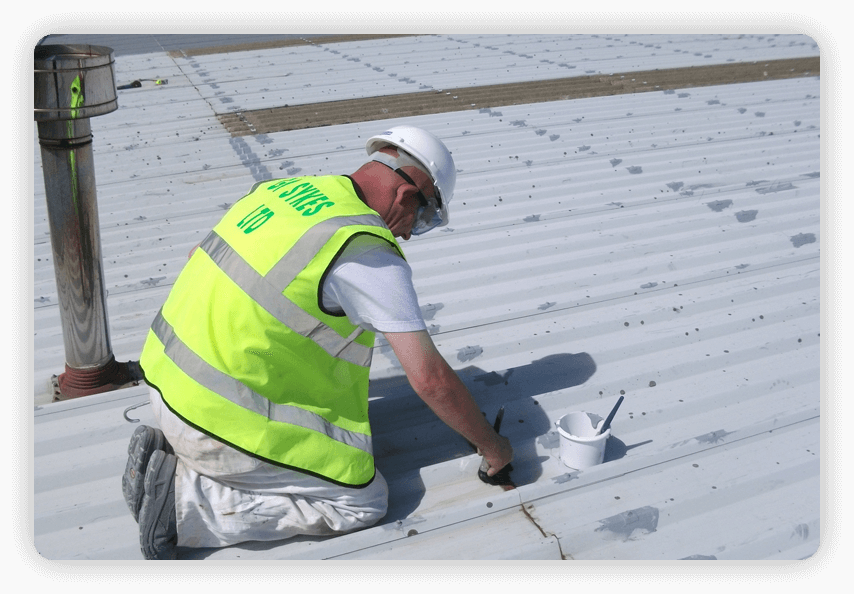
Cut Edge Corrosion: What Is It & Why Ignoring It Will Cost You Money

Roofing 25.05.22
Services4

Request a FREE QUOTE

If you’d like to discuss a project you have we’d love to help.

Contact us today for a free no-obligation quote.

Get a quote


Cut edge corrosion is one of the most prolific cladding problems we see at GI Sykes. It’s not always preventable, but with careful maintenance, your cladding can avoid the costly damage it causes.

But what is cut edge corrosion and what can you do to avoid huge cladding repair bills?

Cut Edge Corrosion: The Facts

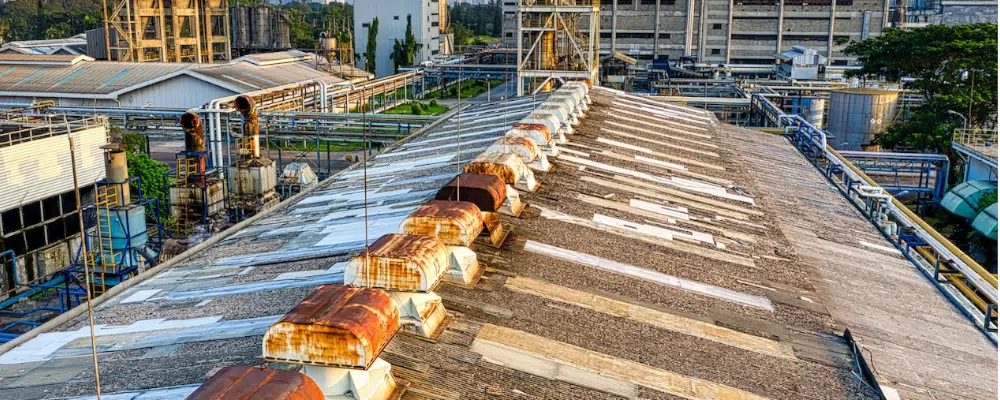
Cut edge corrosion refers to the decay that happens to the edges of your metal cladding. Metal cladding is used predominantly on industrial buildings thanks to its durability and clean aesthetic, but over time the edges of the metal sheets can become damaged.

The edges of your cladding are a weak spot, more prone to problems than any other area. The corrosion often starts as a small breakdown of the metal but can quickly escalate into a sizable area – putting your building at risk.

How to Spot Cut Edge Corrosion

Before you dash off to check if your cladding is suffering cut edge corrosion, it’s best to see what you’re looking for. Firstly, you need to identify the edges on your cladding – these are usually easy to spot because they have bolts running alongside them. 

Cut edge corrosion usually starts with peeling paint or coating, so if you’re lucky, this is the stage you’ll discover the issue. However, unless you’re investing in regular maintenance, you are unlikely to find the damage until it’s progressed to rust.

The extent of the rust will determine just how big of a problem you have on your hands. Caught early, the repair is straightforward. But left too late, you may find yourself needing to replace your cladding entirely.

What Causes Cut Edge Corrosion?

Problems with your cladding can happen for a variety of reasons. Some can be prevented while others need to be watched for. The main reasons we see cut edge corrosion in our line of work are; 

Poor Manufacturing Quality

Cut edge corrosion can start right from the beginning of your cladding’s lifespan. Poorly made cladding sheets often have exposed metal edges that quickly begin to deteriorate when put in place. The best tip we have when purchasing new cladding is to buy the best quality you can afford and always inspect the edges to ensure that they are coated.

Weathering

Your cladding is there to protect your property from the damaging effects of the weather, so it’s no real surprise that those effects can create problems with your cladding. 

The weather in the UK is highly varied – there are long months of damp, windy days with freezing temperatures followed by months of bright, (sometimes!) hot sunny days. Although cladding is made to withstand weathering, over time harsh UV rays can cause the coating on your cladding to become brittle and crack, with the edges being worst affected. Frost and rain can then make contact with the unprotected metal where it begins to degrade.

Damage

Bumps, scrapes and collisions can cause your cladding to delaminate, creating weak spots where water can get in. When this happens near the edges of your cladding, the damage can be even more significant as the coating is more likely to split or crack.

Environmental

Where your property is located can have a bearing on the severity of your cut edge corrosion problems. Those in coastal areas will find the salt in the air causes corrosion to occur at a much quicker rate.

Similarly, buildings that are in highly populated areas will suffer the effects of pollution more. The chemicals and exhaust fumes in the air mix with oxygen, and in doing so have a corrosive effect on exposed metal.

Ageing

While careful care of your cladding can help to avoid issues such as cut edge corrosion, they are only avoidable for so long. Ageing metal will wear and degrade over the years, so it is to be expected that some cladding panels will need to be replaced once they reach their limit of damage.

Improper Care

If you ignore your cladding, then the likelihood of cut edge corrosion is much higher. Also using the wrong cleaning products or coatings can create bigger problems, losing you both time and money.

What Are The Risks Of Leaving Cut Edge Corrosion Untreated?

Leaving cut edge corrosion untreated is unadvisable. Aside from making your building look tatty and unkempt, the rust will begin to eat away at your cladding which can leave your internal walls vulnerable. 

Water ingress can wreak havoc inside your property, resulting in damp, mould and serious structural decay.


Treating Cut Edge Corrosion

Thankfully, treating cut edge corrosion is a simple process. At GI Sykes we use the industry’s leading anti-corrosion systems to protect and preserve your cladding. 

Our team of cut edge corrosion specialists will identify areas of concern and create an action plan that is designed to manage all stages of corrosion. While the process is very detailed and thorough, we are always mindful of minimising disruption to your business.

Once your cut edge corrosion treatment is complete, you can be assured that your cladding will be robust enough to withstand weathering and pollution for many years to come.

Avoiding Cut Edge Corrosion


Regular Inspection

As the saying goes, prevention is better than cure. So if you want to avoid cut edge corrosion and the associated problems that arise from it, then you need to have a regular cladding inspection schedule in place. 

This needs to be more in-depth than eye-balling it from the ground, as early cut edge corrosion signs can be slight and easily missed from a distance. Our scheduled property maintenance service allows for careful and close inspection by experts who know what to look for. 

Cladding Cleaning

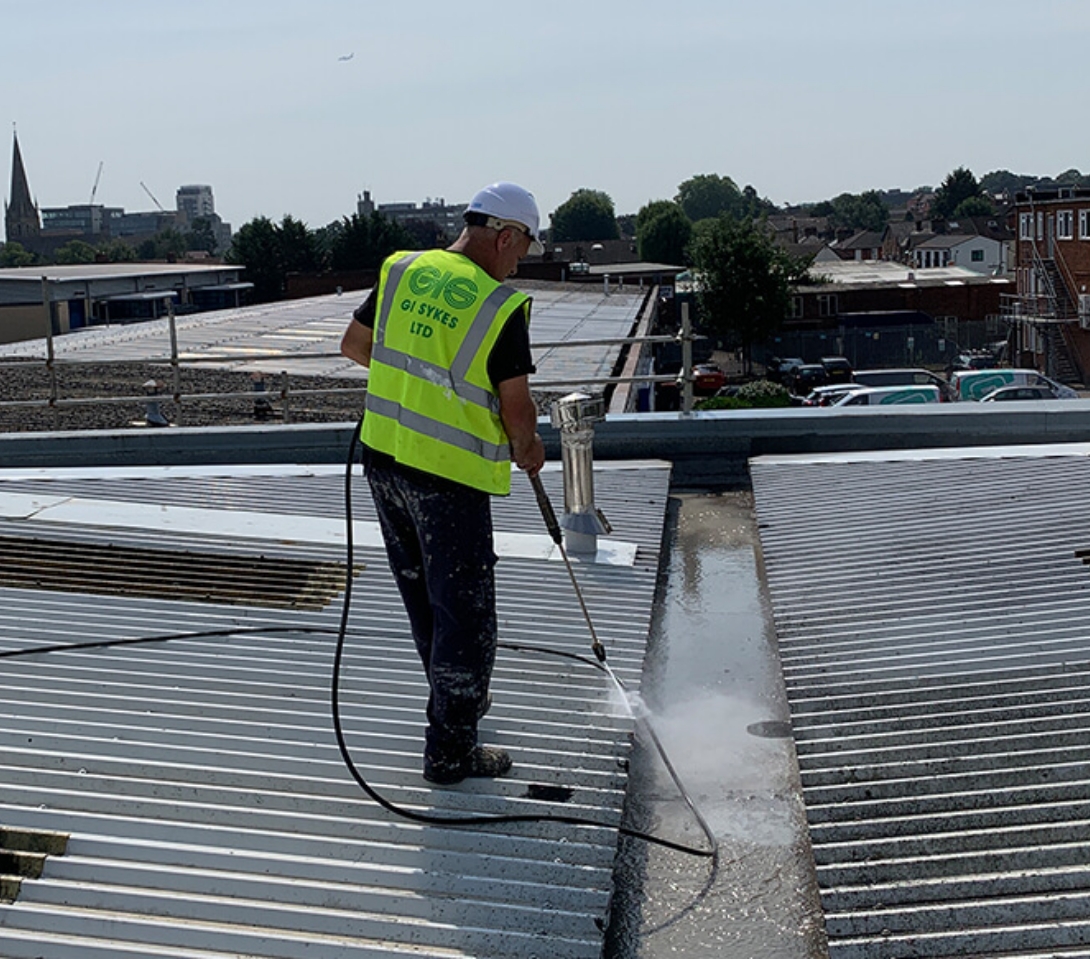
Keeping your cladding clean can help to prolong the integrity of the coatings. It also increases the opportunity for spotting issues as they manifest, rather than later done the line when they become more troublesome.

Specialist Coatings

We use coatings that have been specifically formulated to prevent cladding deterioration and techniques to restore or repair areas affected by cut edge corrosion. 

By investing in this service, your building will benefit from a much longer lifespan with cladding that looks clean and well-maintained with well-preserved edges.

Problems With Cut Edge Corrosion?

If your property is suffering with cut edge corrosion or you’d like to take preventative measures, get in touch with the team to discuss how GI Sykes can protect, restore and prolong your building’s metal cladding.

Latest Articles

Previous
Next

The Benefits (And Downsides) Of Liquid Roofing Systems

Roofing 13.05.22
liquid roof systems

Request a FREE QUOTE

If you’d like to discuss a project you have we’d love to help.

Contact us today for a free no-obligation quote.

Get a quote


We are often asked about liquid roofing systems – our clients want to know if it’s a good option for protecting and repairing their industrial roofs. As highly experienced contractors we like to share our knowledge to help people understand the processes a little more, so they can make an informed decision about their property maintenance. 

So if you have a roof that needs repair, you have a new roof that you want to protect or you’re just curious about the ways you can reduce your ongoing maintenance costs, this blog is for you.

Read on to find out what liquid roofings are, how they can extend your roof’s lifespan for up to 30 years and if there are any downsides to the process…

What Are Liquid Roofing Systems?

Well, the name gives it away a little – liquid roofing is quite literally a liquid substance that is applied to your roof to prolong its lifespan. Liquid roofing use a selection of materials to create a watertight barrier on your roof – different systems have different strengths and weaknesses. 

So, in order for you to know which is the right choice for you, let’s go into more detail.

The use of protective coatings to preserve a surface dates back to ancient times when bitumen was used to line canoes and boats to keep them watertight. This practice continued through the centuries with substances such as tar or pitch used to seal the wooden decks of ships – so the concept of liquid roofing is far from a new one.

But it’s only when you pair the process with the latest developments in waterproofing technology that you see just how far liquid roofing has come.

Nowadays, the substances used to coat your roof have been carefully formulated to handle whatever the weather throws at it – from the coldest frost to the hottest sun.

There are several types of liquid roofing that we can use, depending on the type of roof you have and the problems you’re experiencing.

Polymer Modified Bitumen

As we’ve discovered, bitumen has been used to waterproof vessels for an incredibly long time – and as the saying goes ‘if it ain’t broke, don’t fix it’. Except in this case, it was enhanced. 

For use on your roof, bitumen is modified with polymers to increase its durability and flexibility once dry.

Polyurethane-Based Systems

Polyurethane roofing systems are one of the strongest roof coatings on the market. Its long-lasting durability, coupled with its ability to reflect UV rays makes it a good choice for large roofs that are in direct sunlight.

Polyester-Based Systems

Polyester based roofing systems have the longest life expectancy of all the options, lasting up to 30 years. Some types use fibreglass to reinforce the polyester resin, while others use a polyester fleece (similar to the kind you wear to keep the chill away!) which absorbs the resin to become a uniform and unyielding membrane.

What Are Liquid Roofing Used For?

The primary purpose of liquid roofing is to provide a waterproof coating to your roof. In doing this, your roof is protected against the most damaging weather – rain. 

Any type of liquid roofing system means that any rainwater easily runs off your roof, rather than pooling where it can start to seep through the layers of roofing membrane.In addition to this, at GI Sykes, our liquid roofing systems provide an excellent option for repairing minor cracks, rips and tears.


What Are The Benefits Of Liquid Roofing Systems?

There are plenty of benefits to having a liquid roofing system installed. They key benefits are:

Waterproofing Your Roof

An obvious benefit, we know. A liquid roofing system means that you don’t have to worry about standing water on your roof causing problems.

Your Roof Looks Great

Thanks to its application process, liquid roofing looks neat, smooth and seamless. It helps to give your building a tidy and well-cared for finish.

Seamless Repair

Our roofing systems mean that any cracks or tears to your roof are sealed with a fully bonded waterproof coating. It’s a simple but very effective repair option.

A Roof That Reflects UV Rays

Liquid roofing can reflect UV rays, helping to reduce the temperature within your building. Some roofing systems do this better than others, so if you think you need a cooler environment in the summer, we’d be happy to advise you on the most suitable options.

A Longer Lasting Roof

Liquid roofing adds a protective layer to your roof which helps to extend its lifespan considerably. Not only are you saving thousands in replacement costs, you’re also reducing the environmental impact of adding more waste to landfill.

Less Maintenance For Your Roof

And since your roof is nicely protected, you will find you have less problems with it. Leaks will be a thing of the past, so your roofing maintenance will be much reduced,

Super Fast Installation

Liquid roofing takes very little time to install – some projects take just one day to complete. It’s also non-disruptive so you can carry on about your day while your roof is taken care of.

What Are The Drawbacks?

The list of drawbacks to investing in a liquid roofing system is a one. There aren’t any. 

However, these are the things we think you should consider if you are planning on using a liquid roofing system on your building.

Poor Application Looks Bad

Imagine the Mona Lisa. Carefully placed brushstrokes, all coming together to create a work of art. Now picture a toddler’s painting. Streaks and blobs all over. While cute, it’s not the finesse you want hanging in a gallery (we do love to see them on the fridge though!).

The application of liquid roofing is something that’s best left to the experts – otherwise you might end up with a streaky, blobby mess.

Hazardous When Wet
Due to its waterproof nature, liquid roofing is incredibly slippery when it is wet. The only people who should be on your roof are trained professionals with the right equipment. 

You Need A Reminder

Liquid roofing is so effective, you may forget to book your regular roofing maintenance check. Even though you may not see any problems, it’s still advisable to have routine inspections.

Want To Talk Liquid Roofing Systems?

If you think that a liquid roofing system might be the solution for your roof, we’d love to talk to you in more detail about the options available to you. All you need to do is request a free quote and one of the team will give you a call to arrange a site visit.


Latest Articles

Previous
Next

Got a Project in mind?

If you’d like to discuss a project you have we’d love to help.

Contact us today for a free no-obligation quote.

Get a quote