Dilapidations and Repairs: 5 Ways You Can Increase Your Property’s Value

Building Repairs 14.05.24

Request a FREE QUOTE

If you’d like to discuss a project you have we’d love to help.

Contact us today for a free no-obligation quote.

Get a quote

Dealing with repairs and dilapidations is part of owning and renting out a property, but that doesn’t stop even the best landlords and property owners from wanting to leave them as long as possible, putting off the cost of repairs until it really has to be done – often thinking they’re saving money.

However, short-term savings can become a greater long-term cost.

Dilapidations affect your property, and regular repairs can not only keep costs down but also increase your property value. Read on to discover five ways repairs can increase property value!

The Cost of Disrepair

Letting your property slip into disrepair is hardly cost-effective. You might feel that doing all the repairs at once is the most sensible option – perhaps when your current tenants have left, and you can cover a lot of the cost under dilapidations – but that is far from the case. Untended issues have a horrible tendency to grow and become a bigger problem.

Imagine, for example, a small roof leak. A survey and maintenance schedule could mean it’s taken care of in the general run of things, costing a few hundred to ensure the roof is in great order throughout the year. But leave it alone and it can grow, causing water damage to the underlying structure and even potentially meaning a second of the roof collapses. Now you’re talking thousands, and maybe tens of thousands.

It’s not just about the direct costs, either. Tenants want to live or work in a building that’s in good repair and will become dissatisfied if little fixes go undone for long periods. It’ll increase the chance of a tenant dispute and could mean they leave altogether, leaving you with the loss of good tenants, an empty building for a while, and the cost and effort of securing new tenants.

Plus, those new tenants will want the repairs done, too!

There are also safety and legal ramifications. The last thing you want is for someone to be hurt because of an accident that could have been avoided.

The best thing is to keep on top of the repairs. Regular maintenance reduces the risk and keeps the overall costs of repair significantly lower.

That’s all very good, of course, but what about how repairs can actually increase your property value? What are these five ways?

1 – Enhanced Curb Appeal

Everyone judges based on looks, even if they protest otherwise! If you’re looking to give your property the best possible chance of getting tenants, then you need the outside to shine.

A clean, well-managed exterior provides a positive impression, and it’s easier to maintain and keep up the good looks.

GI Sykes dilapidations and repairs cover:

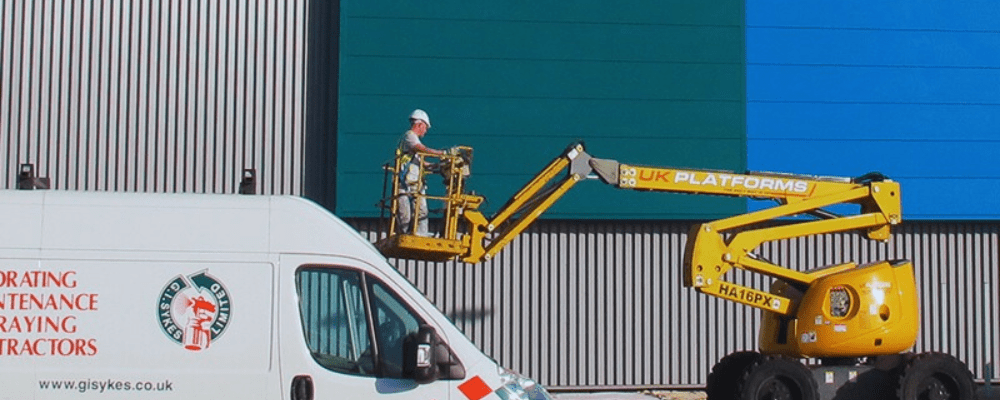
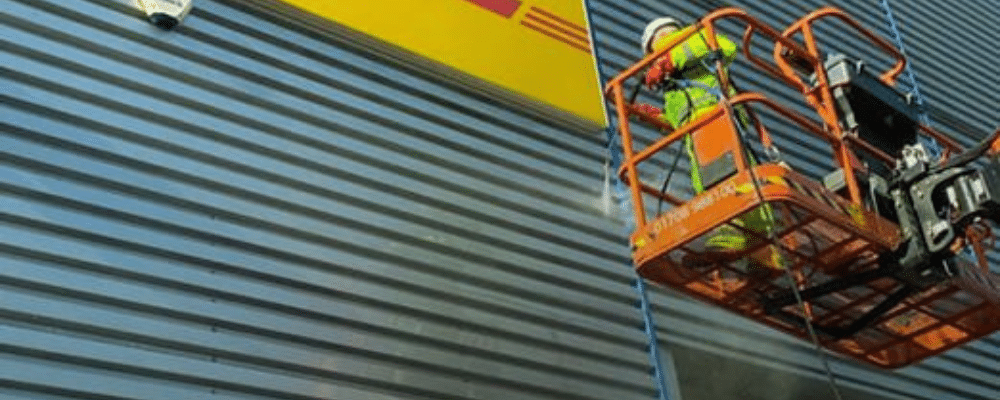
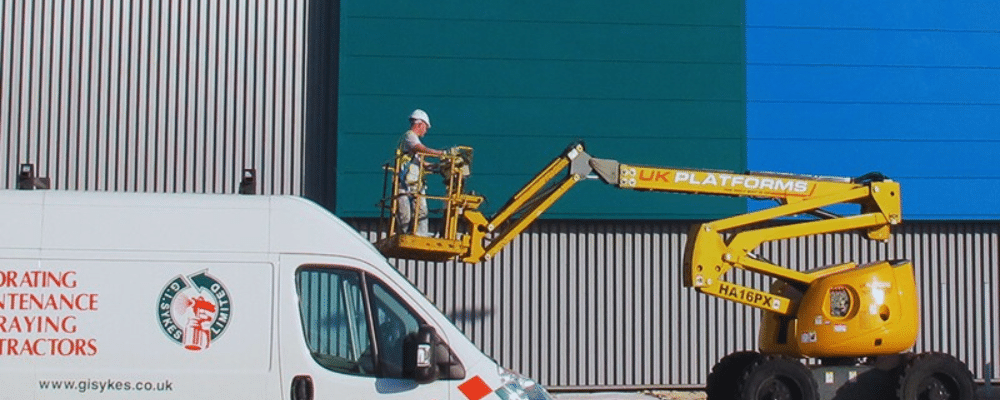
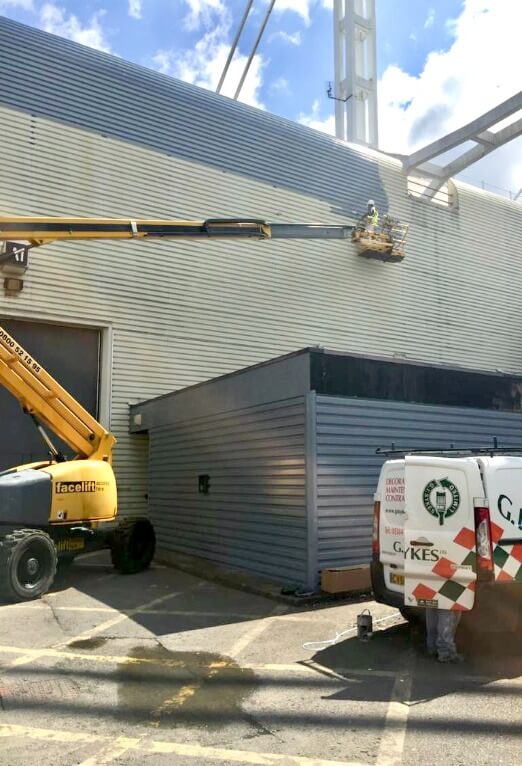
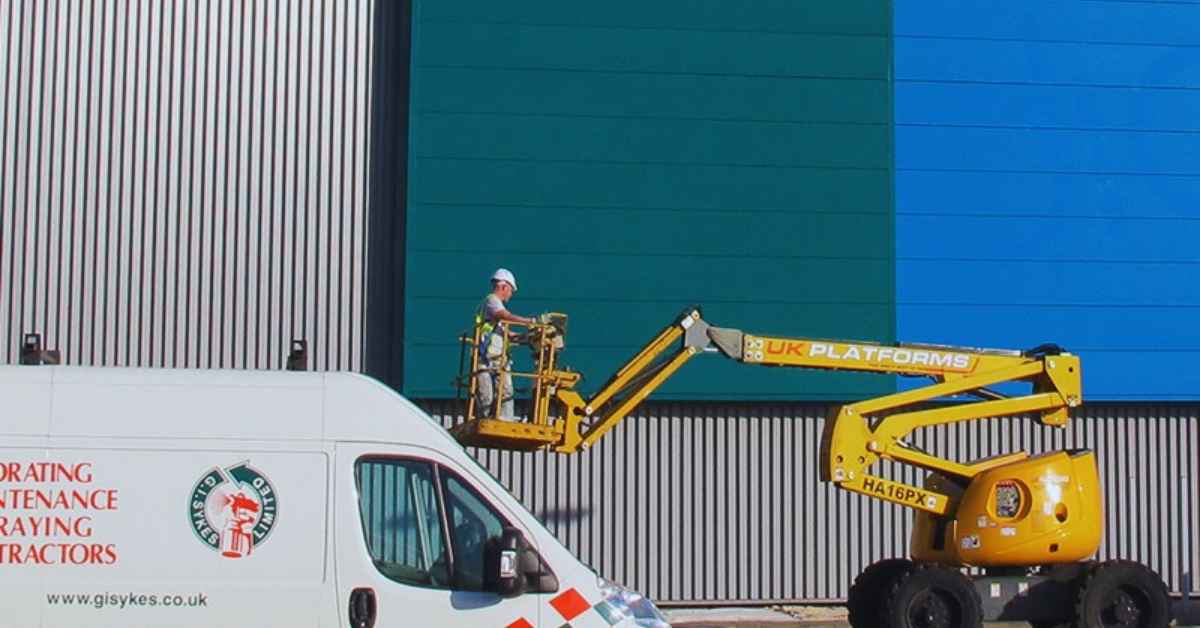
  • Cladding – Sprucing up the cladding on the outside of your building makes such a huge difference. Our cleaning or respraying solutions will make it gleam as good as new – plus, if you’ve been looking to change the colour scheme, you can do both at once.
  • Window Frames – It’s amazing how the mind works. If your visitors see grimy or damaged window frames, it seeps into their perceptions and sticks as a bad impression. Our team will clean, repair, and respray your window frames as needed.
  • Hardscaping – Car parks, external loading areas, paved sections; getting the hardscaping up to scratch properly requires professional workmanship. We can help you make it all perfect again, with no cracked paving, no holes, and no cracks for unsightly weeds to make their home.
  • Painting and Spraying – External walls benefit from weatherproofing and improved longevity, as well as a new visual lease of life when they’re expertly painted. Get rid of anything unsightly and give your walls a fresh coat.
commercial painting 2

2 – Improved Functionality and Safety

No one wants to rent or buy an unsafe space, and honestly, no one should want to try to rent one out or sell one! Not only do you want to make sure your repairs ensure the building is completely safe for use, but why not go the extra mile and make improvements that’ll set you apart and add value and enticement – such as high-spec security, for example.

No one is renting or buying an unsafe space, so these repairs need to be high on your list. But this gives you the chance to make improvements that set you apart – high-spec security, for example. It’s a simple way to add value to a building.

The GI Sykes team can help with:

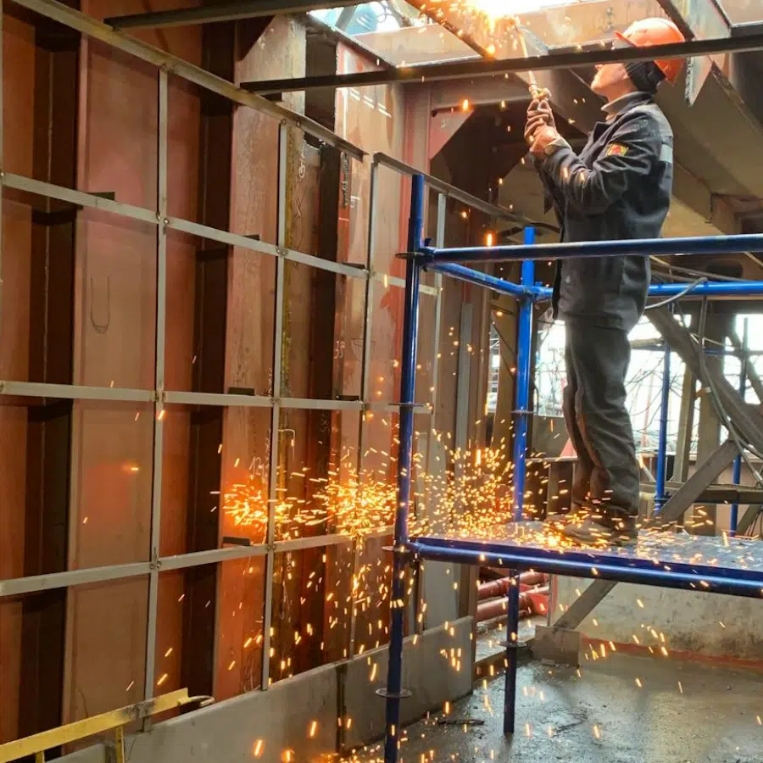
  • Electrical Rewiring – It can be surprising how quickly electrical wiring needs repairs or replacement, and it’s equally surprising how little it’s sometimes checked! Make sure it’s all up to standards, and maybe add a few points in places that have been left powerless for too long.
  • Levelling Flooring – Poor flooring can be hazardous, but years of wear and tear are not unusual and can lead to unexpected problems. A survey and subsequent repair will make the floor safe and level throughout the building.
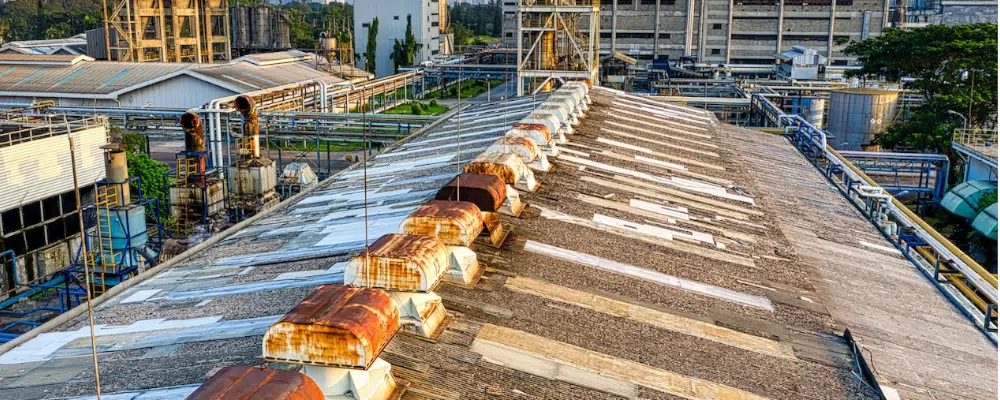
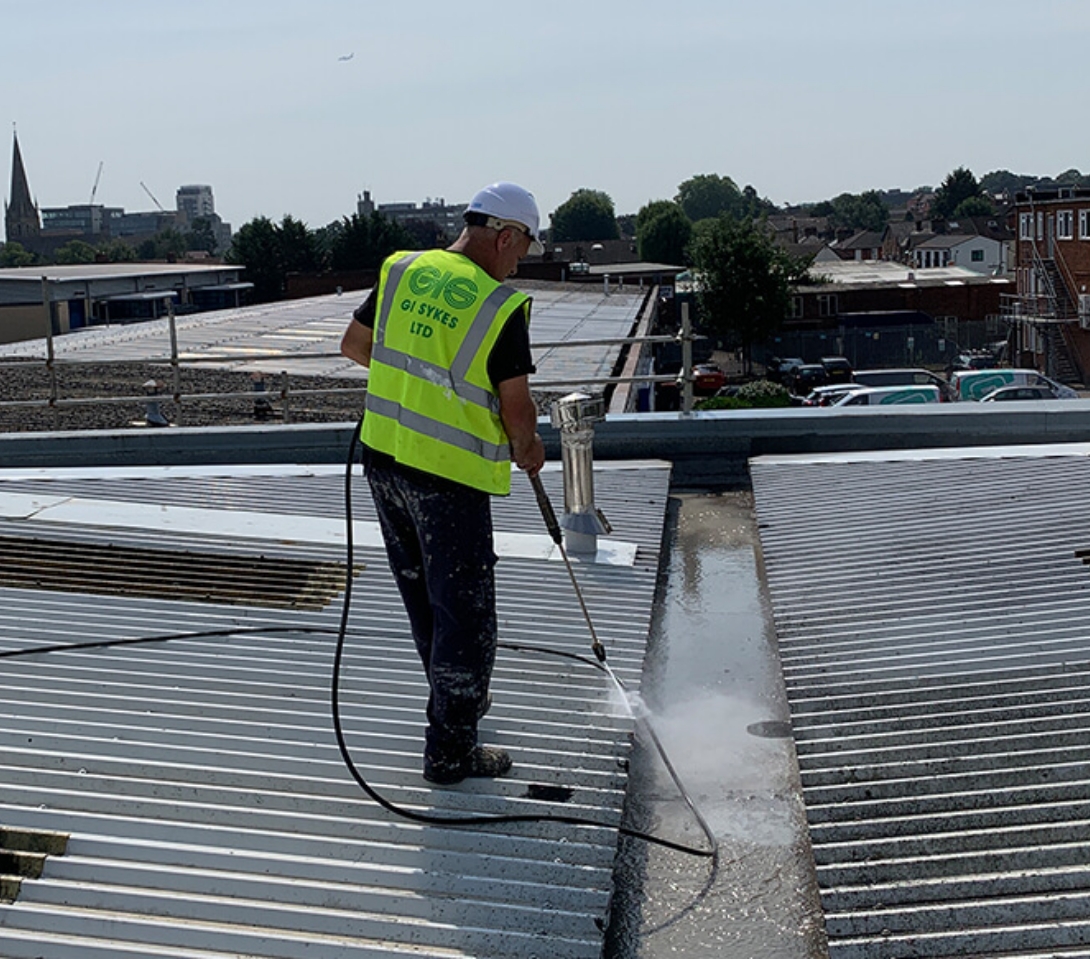
  • Roofing – One thing that we’re keen on to save cash in the long term is regular roof maintenance. Whether you have a flat roof or a pitched space, it’s essential that problems are dealt with sooner rather than later. Don’t let your roof let your building down.
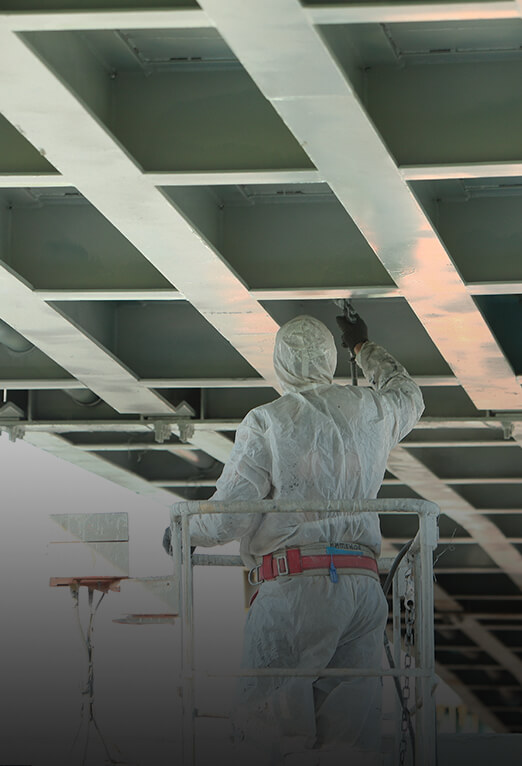
  • Suspended Ceiling Repair and Replacement – Suspended ceilings are great for so many reasons, but they are surprisingly easy to damage. In any commercial building, the chances are that there are sections of the ceiling that need repair, and often, a minor repair can make all the difference. The last thing you want is a ceiling tile or section of lighting to come crashing down.
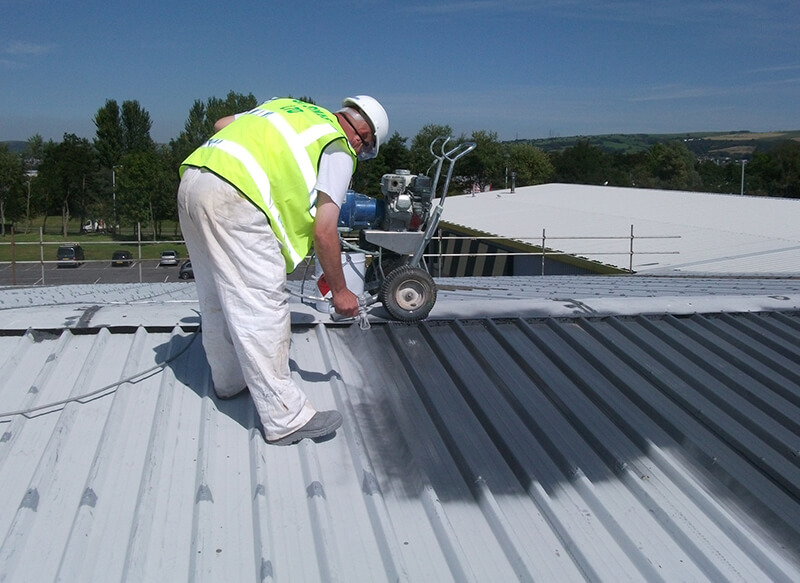
roof coating 2

3 – Increased Energy Efficiency

In the last few years, as energy prices have (somewhat ironically) risen through the roof, ensuring your building has good energy efficiency has become essential. Not only does it save on running costs, but it’s a lot better for the planet, and we all have to do our part there. 

Repairs to the roof and walls improve the energy efficiency, as does checking and potentially upgrading your insulation. Don’t stop there, though. Consider updating your lighting to take advantage of more efficient smart technologies, check the windows and glazing as a potential weak spot, and have your heating and air conditioning systems regularly maintained.

4 – Revitalise the Inside to Increase Marketability

An old and outdated building isn’t going to gather lots of interest, but with the right repairs and refurbishments, it can become something extremely attractive.

With GI Sykes, you can consider:

  • Toilet Refurbishment – One of the key spaces canny potential tenants or buyers will examine is the toilet facilities. If these are sparkling, and provide the perfect space, then interest will be high.
  • Partitioning – Divide the rooms into better arrangements to make better use of your internal space and create more opportunities.
  • Kitchen Refits – Nothing turns off commercial tenants more than having a squashed and poorly fitted kitchen area; the best business owners consider facilities for their employees very highly. Modernise the kitchen and rest areas and make them places people will enjoy using and congregating.

5 – Compliance with Regulations

OK, so our fifth choice won’t technically make you more money, but it will stop you from losing it if something terrible happens! There are many regulations that buildings need to comply with, and those in disrepair are likely to fail to meet standards.

As part of GI Sykes repairs, we can help you evaluate your fire assessment and fire prevention installations, any needed asbestos removal, and a proper appraisal of all the facilities. 

Using GI Sykes For Your Dilapidations and Repairs

Our team at GI Sykes is made up of experienced professionals with the range of skills needed to ensure your commercial building is maintained to an extremely high standard. With our help, your property will command the highest fees, and the tenants will be all-too-happy to pay them, knowing they are well-considered and looked after in turn. Get in touch today to discuss how we can help.

Latest Articles

Previous
Next

Dirty Cladding? 5 Signs Your Cladding Cleaning Is Overdue

Cladding 28.07.23
industrial painting

Request a FREE QUOTE

If you’d like to discuss a project you have we’d love to help.

Contact us today for a free no-obligation quote.

Get a quote

Just noticed your dirty cladding? Wondering if it’s time to book cladding cleaning? Not sure if it’s worth getting a professional clean? 

Your cladding is an integral part of your property’s waterproofing and protection, whether your building is for customers or pure production. If you leave your cladding uncleaned or improperly maintained, you could face some serious damage and visible deterioration in the future.

Here are 5 signs that your cladding is overdue a spruce-up!

Black & Green Should Never Be Seen

This is true for the most part unless you have black or green coloured cladding, that is! If you notice odd tinges to your otherwise pristine cladding, you should take that as a loud and clear warning sign.

Dirty cladding is most obvious from the dirt – isn’t that a surprise? 

Dirt and grit stick to your cladding and make it look grubby and unkempt. Depending on your surroundings and weather, your cladding could be fighting off regular rain showers (usually bringing with it small dirt particles that dry and stick to your exterior surfaces) as well as debris from closeby trees.

Dirty cladding reflects on your business, detracting from your usually clean and tidy appearance. This can be a big issue if you want to make a good impression on customers and staff.

Grit can also scratch and damage cladding, causing bigger problems down the line. This is more often seen in cities and urban areas where tiny shards of stone or compounded dirt can create a gradual, damaging build-up. 

Discolouration Or Stains

Sadly with dirt and grit comes atmospheric pollution.

Pollution and grime can cause discolouration to your cladding. If you’ve ever noticed a dark greyish or even black coating on buildings close to roads, this is what’s building up on your cladding too.

Even if your property isn’t directly situated by a roadside, you will still get that residue that can give your dirty cladding a generally grimy look.

Believe it or not, pollen and desert sand (Saharan dust) can do the same as it clings to the cladding. With frequent news reports of high pollen counts and Saharan winds crossing into the UK, this is becoming a common cause of cladding deterioration.

If this kind of dirt is left untreated, it can affect the coating, which means you may well end up having to recoat your cladding rather than just clean it.

Cladding Cleaning (2)


Your Cladding Is A Mini Zoo

This isn’t as fun as it might sound as, when critters are left unchecked, your cladding pays the price.

If you start to see biological growth on dirty cladding, such as moss, algae or lichen, you can bet that it’s also teeming with bugs. This might include woodlice, ants, flies, wasps, aphids and many other tiny insects you don’t want finding their way through to your building.

But before even worrying about bugs making their way inside, you have other problems to deal with. Problems you might already be noticing. If your cladding is home to a world of bugs, this can attract birds looking for a tasty snack.

With an increase in birds comes an increase in bird mess. If birds are nesting or snacking around your property, you’ll see the evidence directly on your cladding and surrounding surfaces or vehicles.

It may seem more annoying than worrying, but it’s best to have it cleaned off pronto to avoid a build-up. A layer of bird mess and insect residue can affect your cladding structure, adding weight and damaging the protective coating over time.

Dull & Faded

When your cladding is new, it has a lovely sheen and lustre to it. You can tell when a building has been freshly clad because of that neat and clean look. Over time, though, the coating can be affected by the elements and become milky or dull. 

Unless cleaned, this can become permanent.

Unfortunately, most types of cladding are susceptible to this, especially if yours is older or hasn’t been recoated following damage. Metal cladding loses its shine, composite cladding appears duller, and wood cladding can look washed out. 

But you can avoid that visual nightmare by keeping on top of your dirty cladding and instead getting a clean when needed.

Dreaded Water Stains

What is your dirty cladding’s worst enemy? Rain!

Cladding is designed to protect your building from the elements and provide an external barrier from bugs, wildlife, weather and damage. Properly installed cladding should do this job brilliantly, but it still needs a little help when it comes to rain.

Rain can leave white marks on your cladding. You may have noticed after heavy rain; your window has milky white marks where water droplets have slid down the surface and left a trail. That’s lime, silica and calcium from the hard water of the rain.

This same buildup can also affect your cladding and make it look unsightly.

It can feel rough to the touch if left uncleaned and can even change the overall colour or finish of your cladding. Luckily, a professional cladding clean will eliminate the problem altogether.

Benefits Of Cladding Cleaning

Now you know why dirty cladding needs the help of an occasional clean, but what else does cladding cleaning offer?

Last longer

Help your cladding to remain durable and longer-lasting by removing the common causes of damage before they do the damage!

Looks better

No one wants dirty cladding, and water stains, mould, moss and bird mess are easy to remove with a professional clean.

Reflects your business

If your cladding looks scruffy, so does your business. Clean cladding is more inviting and provides a more positive first impression to visitors.


Healthier

Some pollutants and mould are bad to breathe in. So if you have customers or visitors coming to your building, choose safety first and book that clean.

Is Your Cladding Showing Signs Of Dirt & Grime?

Cladding cleaning isn’t just about having clean cladding, although that’s definitely the main aim.

A regular cleaning schedule means you prolong its lifespan and enhance your company profile.

Want to know how we can help? Get in touch for a quote.

Latest Articles

Previous
Next

Cladding Refurbishment and Maintenance for a Sustainable Commercial Building

Cladding 27.07.23
ave calvar U0DCIjllkMs unsplash scaled e1690429558884

Request a FREE QUOTE

If you’d like to discuss a project you have we’d love to help.

Contact us today for a free no-obligation quote.

Get a quote

Cladding – a vital component of any commercial building’s exterior – is a critical aspect of building design, providing both aesthetic appeal and functionality. Serving as an external layer, cladding not only enhances the appearance of a structure but also provides insulation, weather resistance, and sound attenuation. These characteristics emphasise the need for proper cladding maintenance, ensuring a sustainable and long-lasting building envelope. In this comprehensive guide, we will explore the importance of cladding refurbishment and maintenance for your commercial facility, discussing the benefits of sustainable solutions and best practices for preserving the integrity and performance of your cladding system.

Over time, cladding systems may experience degradation due to environmental factors such as weathering, UV damage, temperature fluctuations, and corrosion. If left untreated, these factors can lead to structural and aesthetic issues that could compromise your building’s performance and safety. Cladding refurbishment – an essential aspect of commercial property maintenance – involves the repair, replacement or repainting of damaged or worn-out cladding materials, restoring the structural integrity and visual appeal of your property. By proactively investing in cladding refurbishment and maintenance, you are effectively prolonging the life of your building and enhancing its sustainability in the long run.

Cladding refurbishment often entails one or more of the following services: surface cleaning and preparation, coating application, repairs and replacements of damaged materials and sealing. It is crucial to work with a trusted and experienced professional contractor, such as GISykes, who specialises in these services and ensures your cladding system remains in optimal condition.

In the following blog series, we will delve into the various benefits of cladding refurbishment and maintenance, including energy efficiency, structural protection, and aesthetic enhancements. You can also expect insights into different types of cladding materials and their unique maintenance requirements, including metal, composite, and terracotta systems. Additionally, our series will discuss cost-effective and environmentally friendly solutions that contribute to the longevity of your cladding system, as well as guidance on when to opt for cladding refurbishment and expert advice for selecting the right contractor for your project.

Stay tuned for our upcoming articles focused on helping you maximise the performance of your commercial building through proactive cladding refurbishment and maintenance. Equip yourself with the knowledge and insights needed to make informed decisions, ensuring the longevity and sustainability of your facility. With GISykes as your trusted partner, you can rest assured that your cladding system remains in the best possible condition, guaranteeing the durability, aesthetic appeal, and sustainability of your structure.

Cladding Refurbishment and Maintenance for a Sustainable Commercial Building

The importance of cladding refurbishment and maintenance cannot be understated when it comes to the sustainability and longevity of a commercial building. Cladding encompasses a wide range of exterior materials that serve both aesthetic and functional purposes. In this in-depth article, we will discuss the numerous benefits of undertaking cladding refurbishment, explore various cladding materials and their specific maintenance requirements, and provide expert advice to help you navigate the process effectively.

I. Benefits of Cladding Refurbishment and Maintenance

Investing in cladding refurbishment and maintenance delivers several crucial benefits for your commercial building, including:

  1. Energy Efficiency: Properly maintained cladding systems provide optimal insulation and can reduce energy consumption, contributing to lower heating and cooling costs. This improved energy efficiency has a positive impact on your bottom line and your building’s environmental footprint.
  2. Structural Protection: Cladding serves as a barrier against external elements such as rain, wind, and UV rays. Regular maintenance and refurbishment help to preserve the cladding’s protective qualities, ensuring your building remains structurally sound and preventing costly repairs down the line.
  3. Aesthetic Appeal: The appearance of your building plays a significant role in its overall appeal and value. Maintaining an immaculate cladding system contributes to a positive first impression and enhances the visual aesthetics of your facility. A well-maintained exterior conveys a sense of professionalism, which can be beneficial in attracting clients and tenants.
  4. Longevity: By taking care of your cladding system, you also extend its lifespan and improve the durability of your commercial property. Undertaking regular maintenance ensures you can address minor issues early on, preventing them from escalating into more significant and expensive problems.

II. Cladding Materials and Their Maintenance Requirements

There are various types of cladding materials available, each with its unique maintenance requirements. A few popular choices include:

  1. Metal Cladding: Typically made from aluminium or steel, metal cladding requires regular cleaning and, in some cases, repainting to protect against corrosion, ageing, and fading.
  2. Composite Cladding: Made from a combination of materials, such as wood and plastics, composite cladding is low maintenance, requiring only periodic cleaning. However, depending on the specific materials used, some composite cladding may require treatments or sealing to protect against discolouration.
  3. Terracotta Cladding: This material is known for its durability and low maintenance requirements. Terracotta cladding typically necessitates regular cleaning to remove dirt and grime, ensuring its longevity and visual appeal.

III. Environmentally Friendly and Cost-effective Solutions for Cladding Refurbishment

Adopting eco-friendly and cost-effective solutions plays a vital role in promoting sustainability within your commercial building. Consider the following when planning your cladding refurbishment project:

  1. Coating Selection: Opting for environmentally friendly, high-quality coatings can significantly extend the lifespan of your cladding system. Choose coatings that offer robust protection against the elements, as well as those with low levels of volatile organic compounds (VOCs), reducing the environmental impact.
  2. Sustainable Materials: Invest in recyclable and sustainable cladding materials, which can be repurposed when they reach the end of their lifecycle, minimising waste and promoting circular economies.
  3. Maintenance Schedules: Implement a regular maintenance regime, which can contribute to reducing long-term costs. Addressing minor issues before they escalate will help avoid expensive repairs and replacements in the future.

IV. When to Opt for Cladding Refurbishment and Choosing the Right Contractor

Knowing when to invest in cladding refurbishment is crucial for maintaining a sustainable commercial building. Regular inspection is vital to identify any potential issues. Be vigilant for signs of wear and tear, including fading, discolouration, corrosion, or damage to materials. Should you notice any of these issues, it may be time to consider a cladding refurbishment project.

In addition to observing signs of degradation, it’s essential to choose the right contractor to handle your cladding refurbishment project. Look for a contractor with experience in refurbishing commercial buildings, a comprehensive understanding of various cladding materials, and an established reputation for excellence in service. Working with a trusted partner like GISykes can provide invaluable expertise in all aspects of cladding refurbishment and maintenance.

Maximising Your Building’s Performance Through Cladding Refurbishment

A well-maintained cladding system is key to ensuring the sustainability, attractiveness, and durability of your commercial building. By understanding the benefits of cladding refurbishment, knowing the maintenance requirements of various materials, and selecting eco-friendly solutions, you can ensure that your facility remains in excellent condition for years to come.

Equipped with the knowledge and insights discussed in this article, you will be better prepared to make informed decisions regarding your building’s cladding spraying. With GISykes as your expert partner in this process, you can trust that your facility will receive the best possible care, guaranteeing that your building is not only aesthetically appealing but also remains structurally sound and environmentally sustainable.

Latest Articles

Previous
Next

Is Cladding Cleaning Worth The Cost?

Cladding 14.06.23
Cladding Cleaning 2

Request a FREE QUOTE

If you’d like to discuss a project you have we’d love to help.

Contact us today for a free no-obligation quote.

Get a quote

Has your cladding lost its sparkly, pristine finish? Is your building exterior starting to look pretty grimy and dirty? Not the most appealing look. Or the best first impression for visitors!

If you’re reading this, you’re more than likely considering cladding cleaning. And we’re not going to try and deter you. Here are just a few reasons why we think you should have your cladding cleaned regularly.

Cladding Cleaning (3)

Cladding Cleaning Reason 1: Dirty Cladding Looks Bad

Cladding has many benefits, including increased insulation and weather protection, but it can also really improve a building’s appearance. 

There is a wide range of materials that can be used for cladding, including wood, fibre cement, stone, brick, metal and glass. What you choose depends on your preference and what kind of impression you want to make on visitors. However, as with all materials that are open to the elements and taking the brunt of the UK wind and rain, any cladding is prone to a build-up of dirt and grime. Cladding maintenance is therefore vital to keep it looking great.

If you have customers visiting your business site regularly and they see a dirty, unkempt shell of a building, they’re more than likely going to make a judgement about your business based on what they see. It’s just instinct. So if you want to make a good first impression, it’s important to keep your business premises looking clean and tidy. Cladding cleaning can help with the exterior. The interior is up to you – unless you need help with painting and decorating, in which case, we know just the people (hint – it’s us!).

The look of your business exterior can also affect the way your staff feel when they arrive at work each day. If they arrive and are faced with a building that looks drab and untidy, they are less likely to feel upbeat and positive about the work day ahead. A bright, shiny place of work can do wonders for boosting staff morale.

Reason 2: Dirty Cladding Gets Dirtier

Not only does your dirty cladding look bad and off-putting to customers and any other potential visitors, but you will also find that it rapidly gets dirtier!

The dirt on your cladding is a mix of grit, dirt and organic matter. The organic matter attracts bugs, which then attract birds. As we all know, birds like to drop ‘presents’ wherever they are. And before you know it, your cladding will look similar to when you leave your car parked under a tree – splattered and dirty!

This will then make the cleaning more difficult, as there is a much thicker, more established layer of grime to break up. A regular cladding clean is the way forward.

Reason 3: Dirty Cladding Costs More

If this dirt, grime and bird poo build-up is left on your cladding for a prolonged amount of time, it can eventually damage the coating of the cladding, causing it to become rusty and deteriorate.

If you’re not careful and you don’t pick up on this in time or keep putting off your cladding cleaning, you are either looking at recoating your cladding or replacing it altogether. Both options are a lot more costly than cleaning and are best to avoid.

Reason 4: Dirty Cladding Covers Problems

As we’ve discussed, no matter what material you use for your cladding, general wear and tear is unavoidable. Though the external wall cladding is protecting your property from the elements, the cladding itself can sustain damage over time.

Common problems you may face include:

  • Rusting corners and cut edge erosion – where corners of metal panels or the edges where they have been cut begin to corrode and rust.
  • Cracked cladding – cladding can crack due to adverse weather conditions, especially if water gets into cracks and then freezes, making the problem worse.
  • Paintwork damage – paintwork can crack and bubble. This is caused by the sun’s harsh UV rays or sometimes poor application if the surface has not been prepared properly beneath.
  • Scratches and dents – usually found around the bottom of your cladding where delivery trucks are unloading, and cars are parked.

Cladding Cleaning (2)


Though this damage is unavoidable to a certain extent, the dirt, moss and grime that forms if your cladding is not cleaned regularly will hide any issues of damage until they present in other ways. Leaving damage for an extended period will allow it to deteriorate and likely turn into a bigger problem, such as a leak or a hole, which can begin to impact the rest of your property.

Cleaning your cladding helps prevent this as it clears the extra barrier, making it easier to spot any damage and catch it early. The earlier you tackle the problem, the easier it is to repair.

Cladding Cleaning Reason 5: Dirty Cladding Is Unhealthy

Dirty cladding is basically a build-up of grit and pollution and potentially algae and mildew. Proximity to this isn’t good for anyone. In fact, it can be really unhealthy.

Some algae forms are completely harmless, but others generate unhealthy toxins. This is why you may sometimes see an algae-covered lake which is closed to the public. Mildew can also cause allergic reactions and skin irritations. Regular cleaning to clear away any algae and mildew is therefore essential.

Big Savings In The Long Run


Cladding cleaning might seem like an unnecessary job, but as we have hopefully explained, keeping it clean has many benefits. It’s not only beneficial in that it boosts your profile, but it also helps maintain your exterior, meaning it lasts longer. In the long run, this can mean a big saving for you!

For more details and to get a free quote for cladding cleaning, visit our website here.

Latest Articles

Previous
Next

Commercial Decorating 101: Everything You Need To Know

Building Repairs 28.05.23
industrila painting

Request a FREE QUOTE

If you’d like to discuss a project you have we’d love to help.

Contact us today for a free no-obligation quote.

Get a quote


Is your building looking a bit tired from the outside? Or maybe it’s the interiors that need a bit of a makeover. 

Either way, commercial decorating will be high on your agenda. Commercial decor is similar to domestic decor; it just tends to be on a larger scale and uses more industrial materials. 

But what does commercial decorating include? And what should you be asking for?

You’re about to find out.

Commercial Decorating: The Whole Building

Commercial decorating covers the inside and outside of the building; at GI Sykes, we’ve got you covered. 

But why should you bother? Why is commercial decorating so important?

It’s simple. If you own the business that runs from your property, how you portray your business through the aesthetic of the building will have an effect on both your employees and any visiting customers. 

No one wants to work in a shabby office block; we want to feel comfortable – and even proud – of where we work. And for potential and existing customers, a clean, smart and stylish business hub says much about how you run things. 

And if you’re simply the property owner? The people who rent your spaces will expect and may even pay more for a building that gives them a professional and upmarket appearance.  

Every building will need different tasks undertaken to achieve the desired result. For example, a warehouse will require very different aesthetics than a retail business. So next, we’ll explore some of the typical services that commercial decorators tend to offer.  

Interior Commercial Decorating

Let’s start inside the building. Here is a list of some of the aspects commercial decorators can tackle.

Walls And Ceilings

When you want to revamp the walls and ceilings of a building, you’re looking at a huge job. Undertaking the whole thing yourself is unlikely to be something you have the time or experience for. (Think about all of that cutting in!)

Whether the decorating is driven by a rebrand or tired walls and ceilings that need a bit of love, commercial decorators can deliver an exceptionally pristine finish that will inspire employees and give potential customers a good impression. 

Not sure what colour to choose? There’s a huge choice of shades to browse. And if you’ve got something specific in mind, we can even mix colours to your requirements. Either way, commercial decorators like GI Sykes can offer professional advice and guidance on colours and finishes. 

Stairways

Decorating business premises is a world away from decorating your house. 

Often, your building will feature numerous multi-storey stairwells, and these can begin to look worn quickly due to the sheer amount of footfall they experience daily. And, on a more practical level, they are extremely tricky to decorate because of their size, height and awkward angles. 

Commercial decorators have extensive experience in tackling stairwells and know how to work safely to achieve the look you’re going for. Their expertise also lends itself to providing a fast and seamless finish, and they will be able to advise you on various durable paints that work well in high-traffic areas, meaning your stairwells will look great for longer.


Doors And Woodwork

Doors and woodwork shouldn’t go ignored and can greatly impact how your building looks. 

If it’s a new look you’re after, simply changing the colour can work wonders. Or if a rebrand is on the table, doors and woodwork can be painted (or stripped) to match the colour scheme and transform the building from drab to modern.

And it doesn’t just stop at wooden doors; we can revamp steel and aluminium doors and frames too. 

Exterior Commercial Decorating

How your building looks from the outside speaks volumes. Here are some ways commercial decorators can improve the appearance of your building’s exterior.

Window Frames

For worn and discoloured window frames that look dull and in poor condition, GI Sykes can give them a new lease of life.

Spraying the window frames of your property can improve how it looks externally and also help to protect against weathering. Whether it’s a rebrand and a change of colour, or just a touch-up to keep your building looking fresh, spraying the window frames is a relatively small job that reaps big rewards. 

Cladding

GI Sykes are market-leading commercial cladding maintenance specialists, and we’re experts at spraying it, too.

Long-lasting and perfect for protecting your building from the weather, cladding is a feature of many commercial properties UK-wide. But when it looks dull and dirty or has been damaged, it can become a risk to the structure of the building, not to mention give a poor impression of your corporate image. 

To transform your exterior, get commercial decorators to apply a fresh coat of specialist paint, fix any parts suffering from the usual wear and tear and organise routine, annual maintenance checks to ensure your cladding remains in good nick.

Your cladding is an integral part of your property; not only does it protect your building from the worst of the weather, but it also serves as a visual representation of your business. Dull, damaged and dirty cladding is a risk to both your structure and your corporate image. Update the colour with our onsite spraying and maintain it with our commercial cladding maintenance service. This will ensure that the condition of your cladding is protected and preserved as time goes on. 


External Walls

Paintwork, inside and out, can suffer in busy commercial and industrial environments. External walls can become marked and unsightly, even to the point where it begins to devalue your property, not to mention your reputation.

With over 100 years of combined industrial and commercial decorating, GI Sykes can quickly and expertly refresh external walls, improving the appearance of your premises, protecting it against graffiti and giving them a professional flourish that will impress clients and improve your corporate image. 

What Makes A Commercial Decorating Company Professional?

We knew you’d ask.

When you bring in a commercial decorating company, you can spot the signs of professionalism through these four main areas:

Experience

Professional commercial decorators will have extensive experience in all areas of their trade and be able to prove it. 

GI Sykes is a fourth-generation family-owned and operated contracting business with a strong team of over 65. Between us, we have over 100 years of experience doing what we love, and doing it well – you can read all about the exceptional work we do in our case studies. 

Training

Extensive and appropriate training and development for all workers is a crucial part of running a commercial decorating business, and GI Sykes doesn’t take this element of professionalism lightly.

Not only does every contractor and technician we bring on board hold exceptional ability and skill at protecting your building, but ongoing training and development in their areas of expertise also keep our standards high and our minds engaged.  

Accreditations

Professional commercial decorators will hold extensive and up-to-date qualifications and accreditations that are recognised in the industry.

GI Sykes has been delivering excellence for 55 years and is fully insured and qualified. A few of the organisations we are approved by and registered with include:

  • CHAS, the UK leader in compliance and risk management
  • Constructionline, a register for pre-qualified contractors and consultants in the construction industry
  • The FMB, a UK trade association that protects small and medium-sized building firms
  • The NHBC, an organisation that provides consumer protection for homebuyers through its 10-year Buildmark warranty

To find out more about us, head to our website.

Why Invest In Commercial Decorating?

When you fork out for commercial decorating for your property, you’re ensuring any work carried out is completed to the highest level, leaving you with a professional finish.

Quality Products

Commercial decorators like GI Sykes will use professional quality paint and other materials that aren’t available to the public. This stuff is far superior to the off-the-shelf equivalent you’d find in a hardware store, meaning your money is well spent, and the work will last.

Speed 

Need to schedule a partial or whole school revamp? Book us in for the holidays, and we’ll be sure to transform your space before the kids are due back.

With a team of over 65 expert contractors at our disposal, any jobs we’re hired to do – no matter their complexity – happen fast and leave our customers smiling. 

Insurance 

Insurance is a must, no matter the project, and it protects both the contractor and the client.

Any competent and professional building contractor should have insurance that covers the type of work you’ve booked them for, including public liability insurance. GI Sykes are insured to the highest standard, giving you peace of mind that should anything go wrong, you, your property and your people are protected. 

Complex Jobs

Professional commercial decorating contractors are highly skilled at carrying out complex jobs, like painting stairwells, spraying cladding – even at height – and treating the steel structure of your building with intumescent paint to protect it against fire. 

Professional Service And Minimum Disruption

When a commercial decorating company carries out a job in your building, they cover and protect all exposed equipment and fixtures like radiators, carpets and machinery. 

With GI Sykes, your satisfaction is our top priority. You won’t find us cutting corners! We turn up when we’re supposed to and work as quickly and quietly as possible without compromising the quality of the finish. 

Quality Customer Service

GI Sykes hold many an accreditation, including ISO 9001 and ISO 4001, which ensure quality customer service and environmental management systems respectively. 

If you choose to work with GI Sykes to transform your property, you’ll experience the values of a family-run business alongside the capabilities of a large commercial contractor. 

Safety-Conscious

Whether it’s steel fireproofing or epoxy resin floor treatments you’re after, our contractors are qualified, trained and insured – and have everyone’s safety front of mind. 

What Do We Decorate?

GI Sykes are award-winning commercial decorators with a competitive pricing structure and outstanding customer service. We have been providing quality workmanship nationwide since 1965.

As for what sort of buildings we decorate, the sky is the limit. So far, we’ve transformed…

  • Schools
  • Offices
  • Hotels
  • Retail units
  • Industrial buildings
  • Warehouses
  • Offices, and
  • Public buildings.

(And, not to brag, but some of the names we’ve worked with include Tesco, McDonald’s, Starbucks, Audi and the NHS).

Commercial Decorating Emphasises The Value Of Your Business

Getting in professional commercial decorators to enhance the look and protect the structure of your building isn’t just about saving time; it’s about increasing value.

A freshly decorated workspace can increase employee engagement and productivity, impress new and existing clients and even save lives if disaster strikes.

Have you been looking into commercial decorating for your property? Click this link for a free, no-obligation quote and take the stress out of commercial decorating today.

Latest Articles

Previous
Next

Do You Need Fireproof Cladding?

Cladding 28.01.23
cladding coatings 1

Request a FREE QUOTE

If you’d like to discuss a project you have we’d love to help.

Contact us today for a free no-obligation quote.

Get a quote

We can’t stress the importance of fireproof cladding enough. If you own or maintain a building, then understanding what fireproof cladding is, how it can prevent a disaster and what you should do in an emergency is your responsibility.

It was in June 2017 that a heart-stopping tragedy shook the country. 72 people died in the fire at Grenfell Tower, and the cladding that had been recently installed on the building was at the heart of the investigation into what caused the disaster.

Suddenly, tenants and building owners were starkly aware of the significance of cladding; until then, it had previously been considered an aesthetic choice with insulating benefits.

If you’re still unsure about cladding and whether your property needs fireproof cladding or not, read this blog to arm yourself with vital information. 

Cladding vs Fireproof Cladding

You might have thought cladding was cladding – that there’s no distinction between types. But you’d be wrong. There are 7 types of cladding, some are combustible, and some aren’t. Here’s a brief overview of the types and their main benefits.

Timber

Timber cladding sounds like a recipe for disaster, doesn’t it? Well, thankfully, the timber used in cladding is treated with chemicals to make it flame retardant. 

Wood has natural insulating properties, making it a good choice for improving a building’s energy efficiency, and it has a lovely natural look to it. However, timber cladding isn’t suited to buildings over 2 stories – and given the increases in the cost of lumber recently, it’s also not the most cost-effective solution.

Glass

Glass cladding has a sophisticated, modern look to it – perfect if you’re after a high-end finish to your building. There are two types of glass cladding; rainscreen and curtain walling. 

Rainscreen is one of the most popular cladding choices in the UK and provides excellent insulation to a building. The glass panels are fixed to a frame which leaves a cavity between the wall of your building and the cladding – and while the glass cladding itself is fire resistant, the cavity poses a risk. 

At the Tall Building Fire Safety Conference, held in May 2022, professor of fire science Guillermo Rein, revealed that his study had shown that rainscreen systems had a more substantial fire risk. 

Rainscreen’s risks can be reduced with proper installation, the use of fire-resistant materials in the cavity, as well as fire-stopping courses.


uPVC

uPVC is an appealing cladding option because it’s so easy to maintain and is the most affordable on the market. In addition, it has brilliant thermal capabilities that can help reduce your energy costs.

While uPVC cladding is considered combustible (quickly catches fire), it doesn’t add to the spread of flames. The panels will warp and melt but ultimately don’t contribute to the fire. 

Stone

Stone cladding is often chosen based on its aesthetic appeal. Like glass, it denotes a particular ‘look’ that some building owners want. The type of stone cladding that you can have depends on several factors, including the structure of your building and its height. 

Stone is a natural insulator, so it will keep your building warm during cold weather. However, it’s also the most expensive cladding type on the market. 

And if you’re wondering if it’s a fireproof cladding option, the answer is yes. Stone cladding is 100% non-combustible.


Fibre Cement

Fibre cement cladding is one of the most used cladding types. This fireproof cladding combines cement and cellulose fibres to create a sturdy, durable surface that’s widely used in both domestic and commercial cladding projects. 

It’s very low-maintenance, is a brilliant moderator for the temperature in your building and best of all, it is fire resistant so it will not burn in a fire.

Metal

Metal cladding is usually seen on commercial buildings as it’s easy to install, cheap to maintain and adds a layer of protection to your building.

The different types of metal used are;

  • Aluminium
  • Zinc
  • Steel
  • Copper

Metal cladding is non-combustible and resists ignition, even in high temperatures. 


Composite

Composite cladding is made from recycled wood and polymers, which bond to form a strong weather-resistant material that’s suited to prolonged use outside. Composite cladding comes in many different colours and provides excellent insulation for heat and sound. 

And despite the plastic content of composite decking, some cladding brands are treated with specialist fire-retardant additives.

What Are The Fire Regulations?

So now you know the general information about the types of cladding, it might be helpful to understand the fire regulations and ratings that are used. 

Building regulations in relation to cladding changed in 2018 when the Government banned the use of combustible cladding on public buildings like schools and hospitals, as well as care homes, student halls and refurbs over 18m (over 2 stories, roughly). The changes to the regulations are still an ongoing conversation, with some suggestions that the height restriction may be lowered to 11m in the future. 

Understanding the requirements of fireproof cladding can be tricky, and often is a stipulation of your building insurance. If your building has the wrong type of cladding, your insurer can refuse cover.

The materials used in your cladding will each have a fire rating, which is used to determine their safety value.

Fire Ratings Explained

In the UK, we use the British standard for testing, BS EN 13501-1: Fire classification of construction products and building elements. 

Materials are categorised using three factors; 

  • The reaction to fire, which is shown as a letter from A – F.
  • Smoke propagation (how much smoke it produces in the first 10 minutes of burning), which is shown with the letter s and a number between 1 – 3.
  • The likelihood of dropping particles, shown by the letter d and a number between 1 – 3.

So the rating of your cladding will be displayed like this: B, s2, d1.

Reaction To Fire

A1, A2 – Materials that are non-combustible.

B, C, D – Limited contribution to a fire.

E, F – Significant contribution to a fire

Smokiness

S1 – Little to no smoke

S2 – A small amount of smoke

S3 – Lots of smoke

Falling Embers & Particles

D1 – No dropping particles

D2 – Some falling particles

D3 – Many dropping particles

Fireproof Cladding: Getting It Right

It’s a lot to understand and take in, isn’t it? And when the risks are so high, you’ll want to get it right. At GI Sykes, we have over 55 years of construction experience and can help you understand fireproof cladding. We provide both intumescent steel coatings and certified fire protection coatings to enhance the fire safety of your building. 

Latest Articles

Previous
Next

Is It Time For Building Maintenance?

Building Repairs 14.01.23
commercial spraying done

Request a FREE QUOTE

If you’d like to discuss a project you have we’d love to help.

Contact us today for a free no-obligation quote.

Get a quote


The start of the year is always a good time to check to see if you require any building maintenance. It’s not necessarily the time of year, but more the mindset of getting things up to standard for the next 12 months. 

An annual review of your property means that you can see what needs doing immediately, what needs doing soon and what can wait. You can plan your building maintenance budget and schedule accordingly rather than letting things take you by surprise. It pays to be proactive with repairs. 

So, what should you look for to see if your premises needs a little TLC?

The Roof

A good building maintenance check takes account of every aspect of your property, including the roof. You’re firstly looking for obvious signs of damage or disrepair – leaks, holes or missing parts. If all looks in good order, you need to look a little closer to be sure. 

Blisters

If you see raised bumps in your roof membrane, you may have roof blistering. It’s where a pocket of air forms between the layers of your roofing materials, usually because the membrane has lost its adhesion. They might look harmless enough, but if left, these blisters can split and let in moisture which can compromise the integrity of the roof.

Pooling Water

If you see standing water on your flat roof, it may be an indication that there’s a problem with the surface of your roof. Puddles, or pools, form when the rain rolls into a sunken area on your roof. If you’re checking your roof after a period of sunshine, look for circles of dirt and debris, as these show the areas where water pools.


Tears & Cracks

Rips in the membrane covering your roof can allow water, dirt and organic matter to get into the structure of your roof. Over time, even a small leak can mean considerable water ingress that can rot wood, damage ceilings and result in the need for much larger repair work.

The Exterior

Your building maintenance will include examining the outside of your property. In the first instance, you’re looking for things that can affect the structure of the building – cracks in the walls, patches of mould, rusting metalwork. Beyond that, you want to keep an eye on the aesthetic stuff too. Dull, faded cladding and signage can negatively impact the perception of your business, so getting that looking neat and tidy will deliver great rewards.

Unkempt Cladding

Check your cladding for dinks or cracks. Small knocks are fine, but more serious ones will need attention. If the coating on your cladding is compromised, you run the risk of rust forming and weakening your protective cladding.

There are a few options available to you if you decide that your cladding needs repairing. Cladding cleaning will remove all the dirt and grime that has accumulated on it, leaving it looking bright and clean. If the colour is looking faded or you fancy a change, cladding spraying is a quick and effective way to restore vibrance to your exterior.

Lastly, if you spot rusty edges to your cladding, then cut-edge corrosion repair will help prevent more significant damage from occurring.


Gutters

Your gutters will collect all sorts of matter over the months. Clearing them is an essential building maintenance task because if they get too compacted, water will begin to overflow down the sides of your premises.

Gutter cleaning for a commercial building is very different from clearing your gutters at home. The height and length of the gutters mean the job carries some risk and is usually best left to those with the right equipment, training and experience.

Graffiti

Sadly, an expanse of clean wall, shutter or cladding is too much temptation for some, and graffiti is the result. 

Unless it’s a Banksy, you probably don’t want to keep your new ‘art’ in place, so scrubbing it off will form part of your regular property maintenance. But did you know that we can treat your surface with an anti-graffiti coating that means future street art won’t be a problem?

The Interior

Now to the inside of your property. Your building maintenance regime should include all aspects of the inside of your warehouse, office or retail unit. 

Check that all the electrical sockets are safe, that your furniture isn’t broken and that your windows are in good working order. You probably already have scheduled fire drills, but check your fire alarm system, check the dates on all extinguishers and fire blankets and go through the First Aid kit to get rid of out-of-date medical supplies. Now, that’s not technically building maintenance, but it goes hand-in-hand with a safety check, so it works as a great reminder.

Dated Decor

While you’re pottering around, ensuring your building is safe and secure, you might notice that the paintwork looks a little tired. A spruce-up of common areas can do more than just improve the look of your building, it can boost morale too. Showing that you care about the environment that your staff or tenants work in makes them feel valued and cared for.

Commercial painting and decorating is a simple way to elevate your business profile while demonstrating your positive attitude to your workforce. 

Missing Tiles

Inspect your suspended ceiling for damaged or missing tiles. They are cost-effective and easy to replace, so you can have a lovely-looking ceiling in no time. 

However, if there’s extensive damage or you think your ceiling needs replacing, it’s worth doing sooner rather than later. If there is a risk of falling tiles, speak to a professional suspended ceiling contractor who can advise you on the best course of action.

The Floor

Lastly, we’re looking down at our feet and checking over the floor. Building maintenance includes all of your floor space, including outside. Look for potholes in your car park, missing anti-slip tread on steps, and fraying or worn carpet. Anything that presents a slip hazard needs to be at the top of your to-do list.

Poor Flooring
If your flooring isn’t holding up to the high traffic that it’s enduring, then switching to an Epoxy resin floor will save you time and money in subsequent building maintenance checks. The durable resin coats your concrete floor and lasts for up to 10 years. It’s impact resistant, repels chemicals and, as it’s so smooth, it is incredibly easy to keep clean.

Epoxy floors come in many colours, so you can even match your flooring to your branding!

Missing Markings

Check that all of your safety markings are still visible. Line markings are essential in warehouses and environments where there are vehicles and pedestrians, so ensuring they’re intact and clear is vital. If not, book a contractor to come and redo the lines as soon as possible.

Building Maintenance: Your Annual Responsibility

If you’ve not planned a building maintenance check for the next year, now is the time. Get yourself a clipboard and start looking closely at all of the things we have outlined – we promise that by being proactive with repairs and maintenance, you’ll save yourself stress and cash in the long run. 

And if you want to pass the obligation onto a professional team who can ensure every aspect is thought of, then talk to us about our property maintenance services. We can create a package that spreads the cost, so you get high-quality maintenance without a huge bill.

Latest Articles

Previous
Next

The Dos and Don’ts Of Cladding Cleaning

Cladding 27.01.22
GI Sykes Featured Image 1200 x 628 px 11zon 2

Request a FREE QUOTE

If you’d like to discuss a project you have we’d love to help.

Contact us today for a free no-obligation quote.

Get a quote

Cladding cleaning may not be at the top of your to-do list, but keeping your cladding in good condition not only gives it a better look, it can also extend its lifespan. While cladding cleaning isn’t a complex job, there are certain aspects that need to be done right to ensure that the integrity of your cladding isn’t compromised. In this blog, we share the dos and don’ts of cladding cleaning, so your cladding always looks its best.

What Is Cladding?

You probably know what cladding is, especially if you’re looking at ways to keep yours clean. But just in case you don’t, here’s a quick overview of what cladding is. Cladding is a type of covering that is added to the exterior of a building; it serves a wide range of purposes, some of which might surprise you. 

Thermal Insulation

Cladding is often added to older buildings to improve insulation. 

Weather Resistance

Cladding is ideal for added protection against weathering.

Sound Control

Some types of cladding panels are used for soundproofing a space. 

Aesthetics 

Cladding improves the appearance of your building and can be matched to your business’ branding to enhance your company’s profile. 

What Happens To Cladding?

Unsurprisingly, cladding bears the brunt of the elements, and in the UK, our diverse weather can really put it through its paces.

In winter, the frost and rain cause dirt and grit to build up, especially on cladding that’s textured or corrugated. You’ve probably seen dirty cladding on your local industrial estate – the grey/black coating of muck make even the most vibrant coloured cladding look dull and ugly. 

The summer weather brings another potential issue – sun fade. Bright sunlight causes your cladding’s paintwork to look patchy and uneven, especially if something nearby casts a shadow, as that area is more protected from the glare.

Added to the changing weather is the problem that bird droppings can present. If birds flyer over or sit or nest on your building, then chances are you’re going to have areas where there is bird poop. Aside from the obvious unappealing appearance, streaks of bird excrement also pose a risk to any coatings on your cladding. Cleaning bird poop off quickly is vital, as the ph levels of it are high, meaning it is very acidic. If left, the uric acid can corrode paint and lacquer which then requires a more intense restoration process.

Cladding Cleaning: What You Can Do

Cladding cleaning can be tackled by yourself if you have the right tools and know-how, although we tend to recommend DIY cladding cleaning for small areas since it can be a laborious task that carries some risk (both to you and your cladding) that’s best left to those who do it for a living!

Cladding cleaning is most effective when you use the right method and products for the type of cladding used on your building. The most commonly used cladding is; 

Timber

Wood cladding can transform a building’s look and is currently very popular. But, despite its lovely appearance, wood cladding can begin to look tired and weathered fairly quickly, with black stains which are actually watermarks. You can use a pressure washer on your wood cladding, as long as the pressure is fairly gentle. At high pressure, the jets run the risk of splintering and damaging the wood. If you’re worried about breaking your wood cladding, cleaning with a specialist solution might be a better option. 

Stone/Brick

Brick cladding responds well to a power washer. It’s strong enough to withstand the intense water jets which help to clear dirt and debris. However, brick and stone cladding are prone to algae build-up which sometimes requires more specialised treatment. There are cleaners available to buy, however, it’s essential that you ensure you use the correct solution for your type of stone or brick. 

Glass

Glass cladding is a sophisticated option and is often seen on towering office blocks. From a design perspective, it’s incredibly versatile but from a cleaning perspective – it needs a lot! As you’ll know from your own windows at home, glass quickly shows dirt and watermarks left by the rain. Fortunately, cleaning glass is fairly easy – as long as you use the right cleaner. Streaks left by a cloth and squeegee can be frustrating so make sure you use the right technique to avoid these.

Metal

Metal or aluminium cladding is most popular among industrial buildings thanks to its cost-effective price and strength. A power washer will clean any dirt and grime, and you can use a detergent to lift off any residue, however, DO NOT use chemicals as these can remove or damage the paintwork or coatings on your cladding.


Vinyl

Vinyl cladding is a rising star in the cladding world, mostly thanks to its low maintenance and durability. It’s mostly manufactured to resemble wood grain, so lots of properties are now opting for vinyl cladding instead of wood. Cleaning vinyl cladding is straightforward, firstly, brush off any dirt from the panels and then apply detergent with a cloth. You can use a power washer to rinse the soap away. 

Should You DIY Cladding Cleaning?

This is the real question…sometimes just because you can, doesn’t mean you should! Cleaning the exterior of your building is a huge undertaking, even if you have a relatively small property. And besides the time you need to set aside to complete your cladding cleaning, you’ll also need to invest in the products required to do the job. While the market has some great cleaners and jet washers available for the public to buy, nothing really compares to the professional-grade cleaners that we use. 

The last point to consider is probably the most important one. Personal safety. Chances are, some of your cladding is at roof height, and even on a single storey building, that’s some elevation. You will either need to invest in a good quality telescopic or extendable cleaning pole (cheap ones aren’t worth the money) or look at hiring in a platform. Either way, cladding cleaning is a gruelling task – which is why it’s one of our most requested services. 

Hiring GI Sykes for your cladding cleaning means that not only do you get a professional finish that uses protective products but you also don’t take any personal injury or damage risks. Contact us to find out more about our cladding cleaning and cladding maintenance services.

Latest Articles

Previous
Next

Got a Project in mind?

If you’d like to discuss a project you have we’d love to help.

Contact us today for a free no-obligation quote.

Get a quote