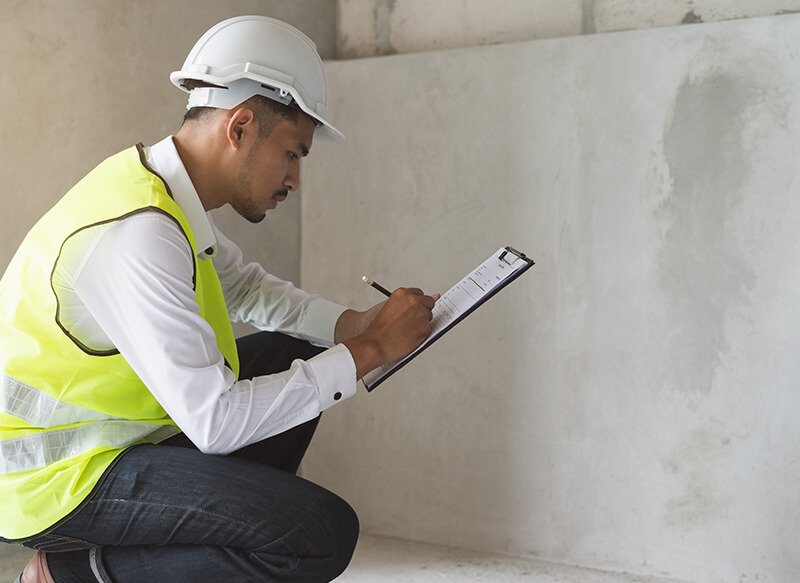
Lousy Contractors: 5 Big Signs the Contractor Isn’t for You

Building Construction 02.06.23
benjamin lehman EJU7A  krX0 unsplash

Request a FREE QUOTE

If you’d like to discuss a project you have we’d love to help.

Contact us today for a free no-obligation quote.

Get a quote

Hiring a contractor can be a daunting task, especially when it comes to finding the perfect fit for your construction or renovation project. With so many options available in the UK market, it is essential to be cautious when choosing a contractor, as the wrong choice can lead to delays, disputes, and even financial loss.

To help you make an informed decision, we’ve put together a list of a couple of signs that a contractor may not be right for you:

1. Lack of Proper Licensing and Insurance

One of the first things to look for when hiring a contractor is their licensing and insurance. In the UK, contractors are required to have the necessary qualifications and certifications to carry out their work, such as Construction Skills Certification Scheme (CSCS) cards and membership with industry bodies like the National Federation of Builders (NFB). Additionally, contractors should have adequate insurance coverage, including public liability and employer’s liability insurance, to protect themselves and their clients against potential accidents or damages.

If a contractor cannot provide proof of their licensing and insurance, this could be a red flag that they may not be the right fit for your project. Hiring an unlicensed and uninsured contractor can put you at risk of liability and could result in substandard work.

2. Poor Communication Skills

Effective communication is key to any successful construction or renovation project. If a contractor is difficult to get in touch with, is unresponsive to your queries, or is vague in their explanations, this could indicate a lack of professionalism and commitment to your project. A reliable contractor should be prompt in their communication, provide clear and concise information, and be willing to address your concerns or questions throughout the project.

Poor communication can lead to misunderstandings, delays, and dissatisfaction with the end result, so it’s crucial to choose a contractor who values open and honest communication.

3. Negative Reviews and Reputation

In today’s digital age, it’s easier than ever to research a contractor’s reputation online. Platforms such as Trustpilot, Checkatrade, and Google Reviews can provide valuable insights into a contractor’s performance, work ethic, and customer satisfaction.

While it’s essential to remember that no contractor will have a perfect track record, a pattern of negative reviews or unresolved disputes should raise concerns. Poor reviews may indicate issues with the quality of work, time management, or customer service, which can impact your project’s success. So, always take the time to thoroughly research a contractor’s reputation and ask for references from previous clients before making your decision.

4. Unrealistically Low Quotes

While it may be tempting to choose the contractor with the lowest quote, it’s important to remember that you often get what you pay for in the construction industry. An unrealistically low quote could be a sign that the contractor is cutting corners, using low-quality materials, or underestimating the project’s scope to secure the job.

To avoid falling into this trap, it’s best to obtain multiple quotes from different contractors and compare them based on their inclusions, materials, and overall approach to the project. This will give you a better understanding of the average cost and help you identify any potential red flags in the quotes you receive.

5. Lack of Experience or Specialisation

Lastly, it’s important to consider a contractor’s experience and specialisation when choosing the right fit for your project. A contractor who lacks experience in your specific type of project or who does not specialise in the area you require may struggle to deliver the quality of work you expect.

When discussing your project with potential contractors, don’t hesitate to ask about their previous experience with similar projects and request examples of their work. This will help you determine if they have the necessary skills and expertise to bring your vision to life.

Conclusion

Choosing the right contractor is vital to the success of your construction or renovation project. By being aware of the warning signs, such as lack of proper licensing and insurance, poor communication skills, and more, you can make an informed decision and avoid potential pitfalls. Also, remember to always conduct thorough research, obtain multiple quotes, and trust your instincts when selecting a contractor for your project!

G.I. Sykes are expert contractors specialising in commercial and industrial building projects, painting, and various other services. We provide an extensive range of building and protective coating solutions. If you are looking for commercial builders for your projects, work with us today!

Latest Articles

Previous
Next

Key Factors for a Successful Commercial Building Extension

Building Construction 26.05.23
pexels pixabay 269077

Request a FREE QUOTE

If you’d like to discuss a project you have we’d love to help.

Contact us today for a free no-obligation quote.

Get a quote

Commercial building extensions are a way to increase the size, functionality, and value of a commercial property. However, the planning process can be overwhelming and complex. There are many important considerations to keep in mind when planning a commercial building extension, from zoning laws to budget constraints. This article will explore the key factors for a successful commercial building extension.

Zoning and Building Codes

Zoning and building codes are among the most important considerations when planning a commercial building extension. Zoning laws regulate the use of land and buildings in a particular area while building codes set standards for construction and safety. Before beginning any construction, it is important to research and understand the zoning and building codes in the area. Failure to comply with these laws can result in fines, legal action, and even the demolition of the building.

Budget

Another important consideration when planning a commercial building extension is the budget. Building extensions can be expensive, and it is important to clearly understand your budget before beginning any construction. This includes the cost of materials and labour and any additional expenses such as permits, inspections, and design fees. It is important to work with a qualified contractor who can provide a detailed estimate of all costs associated with the project.

Design and Functionality

When planning a commercial building extension, it is important to consider both the design and functionality of the space. The design should be aesthetically pleasing and complement the existing building while also meeting the needs of the business. The functionality of the space should be carefully considered, including factors such as lighting, ventilation, and accessibility. It is important to work with an experienced architect or designer who can help create a design that meets the business’s aesthetic and functional needs.

Timeline

Another important consideration when planning a commercial building extension is the timeline. Construction can be disruptive to business operations, and it is important to have a clear understanding of the timeline for the project. This includes the construction timeline and any necessary permits, inspections, and approvals. It is important to work with a contractor who can provide a realistic timeline for the project and communicate any delays or changes in a timely manner.

Environmental Impact

Finally, it is important to consider the environmental impact of a commercial building extension. This includes not only the impact on the local environment but also the impact on the global environment. Sustainable building practices, such as using energy-efficient materials and incorporating renewable energy sources, can help reduce the environmental impact of a commercial building extension. It is important to work with a contractor who is knowledgeable about sustainable building practices and can help incorporate them into the project.

Conclusion

In conclusion, planning a commercial building extension requires careful consideration of many important factors. Zoning and building codes, budget, design and functionality, timeline, and environmental impact are all important considerations to keep in mind when planning a commercial building extension. Working with a qualified contractor who can provide guidance and expertise can help ensure a successful project that meets the needs of the business while also complying with all laws and regulations.

Looking for reliable commercial building contractors to help you plan and execute your next project? Look no further than G.I. Sykes! With years of experience in the industry, our team of experts is dedicated to delivering high-quality results that meet the unique needs of your business. Get in touch today!

Latest Articles

Previous
Next

9 Easy Steps to Invest in Commercial Property for Renovation

Building Construction 19.05.23
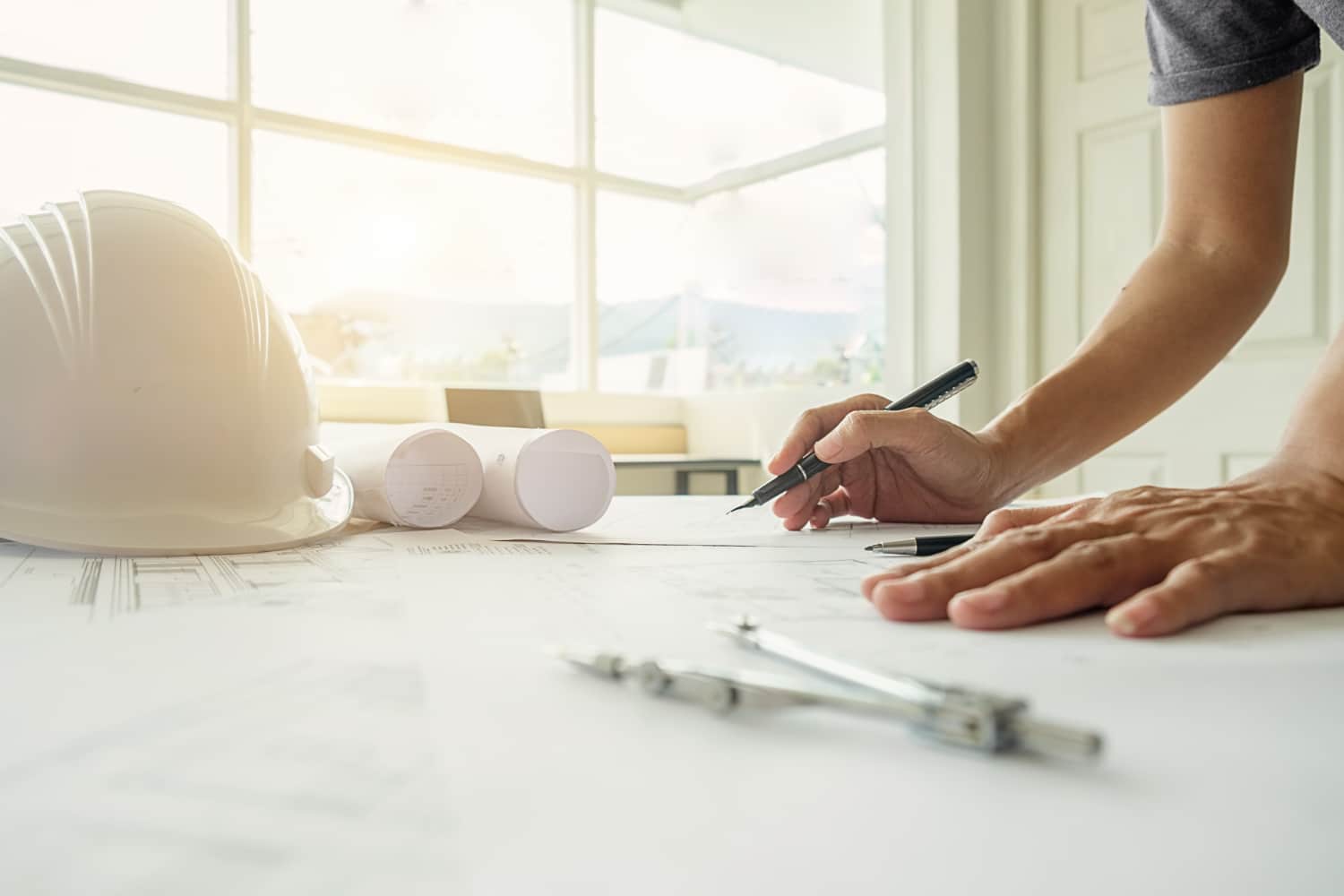
hands engineer working blueprint construction concept engineering tools vintage tone retro filter effect soft focus selective focus

Request a FREE QUOTE

If you’d like to discuss a project you have we’d love to help.

Contact us today for a free no-obligation quote.

Get a quote

Investing in commercial property for renovation has become a popular way for investors to earn passive income and increase their net worth. However, this type of investment requires a significant amount of capital, research, and due diligence. 

Investing in a commercial property for renovation can be a complex process, and without proper planning and execution, it can lead to financial losses. 

In this article, we will provide a comprehensive guide on how to invest in commercial property for renovation, covering everything from researching the market to marketing the property. By following these steps, you can make an informed decision and increase your chances of success in this lucrative investment opportunity.

1. Research the Market

The first step in investing in commercial property is to research the market thoroughly. This includes identifying which types of commercial properties are in demand and which areas are experiencing growth. Researching the market will help you identify the best properties to invest in.

2. Find a Good Location

Location plays a critical role in the success of any commercial property investment. Look for properties in areas with high foot traffic and good accessibility to public transport. Ideally, the property should be located in an area that is experiencing growth and development.

3. Assess the Property

Before investing in a commercial property, it is essential to assess the property thoroughly. This includes conducting a comprehensive inspection of the property to identify any issues that may need to be addressed. The assessment should also include an analysis of the property’s condition, age, and any necessary repairs or upgrades.

4. Calculate the Costs

Once you have identified a suitable property, it is essential to calculate the costs involved in renovating the property. This includes the cost of materials, labour, and any necessary permits. It is essential to ensure that the cost of renovating the property does not exceed the potential return on investment.

5. Obtain Financing

Investing in commercial property for renovation can be costly, and it is essential to obtain financing to cover the costs. You can obtain financing from a bank or other financial institution. It is crucial to shop around for the best rates and terms to ensure that the financing is affordable.

6. Create a Renovation Plan

Before renovating the property, it is essential to create a renovation plan. The plan should include the scope of the work, the timeline for completion, and the budget. It is essential to work with a reputable contractor to ensure that the renovation is completed on time and within budget.

7. Obtain Necessary Permits

Renovating a commercial property often requires obtaining permits from the local authorities. It is essential to obtain all necessary permits before starting the renovation work. Failure to obtain the necessary permits can result in fines and delays in completing the renovation.

8. Renovate the Property

Once all the necessary permits have been obtained, it is time to renovate the property. It is essential to stick to the renovation plan and budget to ensure that the project is completed within the allocated time and budget. It is also crucial to monitor the progress of the renovation regularly.

9. Market the Property

Once the renovation is complete, it is time to market the property to potential tenants or buyers. It is essential to work with a reputable real estate agent to help you find suitable tenants or buyers. It is also crucial to ensure that the property is priced correctly to attract potential tenants or buyers.

Conclusion

Investing in commercial property for renovation can be a profitable venture if done correctly. It requires careful planning, research, and due diligence to ensure that the investment is sound and will yield a return on investment. By following the steps outlined in this article, you can invest in commercial property for renovation with confidence and increase your chances of success. 

Remember to research the market, assess the property, calculate costs, obtain financing, create a renovation plan, obtain necessary permits, renovate the property, and market it to potential tenants or buyers. With patience, persistence, and a well-executed plan, you can turn a commercial property renovation into a lucrative investment opportunity.

If you’re looking for a reliable and experienced commercial building contractor, look no further than G.I.Sykes. We have the expertise, experience and commitment to deliver successful commercial projects to a diverse range of clients across the UK. Contact us today to find out how we can help you with your next project!

Latest Articles

Previous
Next

Does Your Building Have The Right Fire Protection?

Building Construction 14.05.23
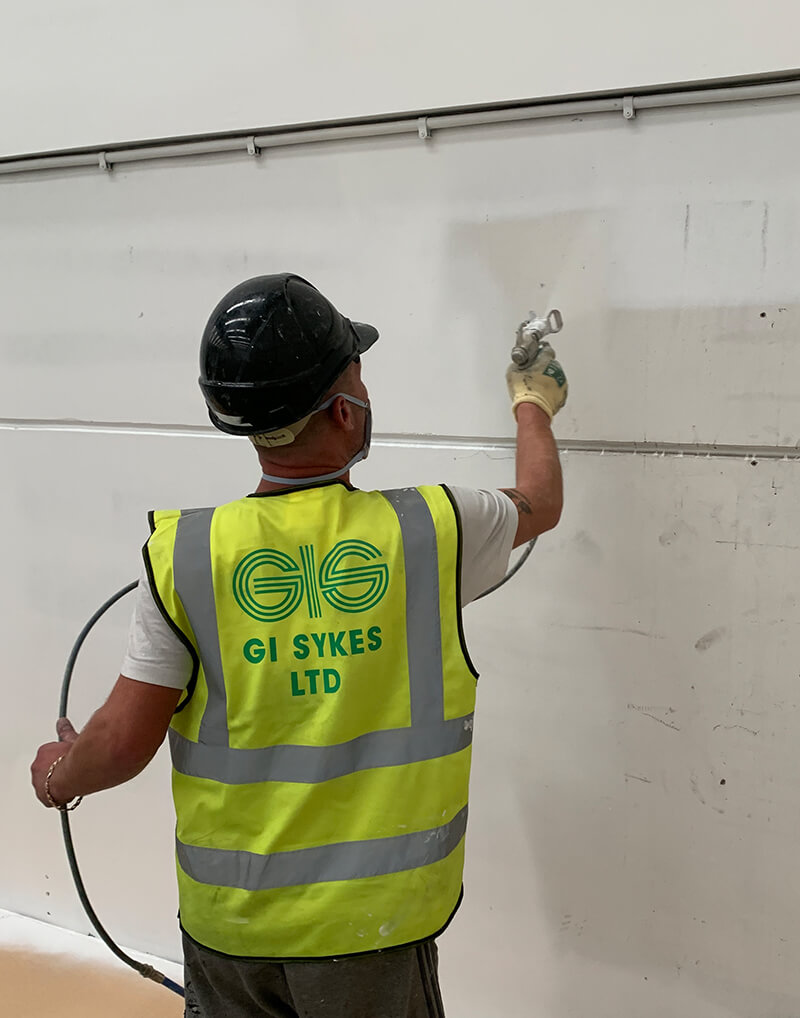
commercial spraying done

Request a FREE QUOTE

If you’d like to discuss a project you have we’d love to help.

Contact us today for a free no-obligation quote.

Get a quote

Fire protection is an important issue. Fire safety regulations can feel overwhelming, but it’s not enough to simply ignore them as if they’re an added expense. 

While it costs money to get fire protection right, it could save lives. And hopefully, you’ll never need to use it.

What Is Fire Protection In A Building?

Fire protection in a building refers to the safety features and systems in place to limit or stop the effects of a fire. You will encounter two categories of fire protection in a building, so let’s take a look at both. 

Active Fire Protection

This term refers to methods of fire protection that kick into action in response to a fire. They are the systems that we generally associate with fire protection and tend to be highly visible within a building. 

Examples of active fire protection include:

  • Sprinklers. Sprinkler systems use water to suppress fires by raining down on the flames.
  • Alarms. These products detect heat, smoke and flames and alert the building’s occupants to emergencies.
  • Suppression systems. Extinguishers and fire hoses are both types of fire suppression systems that use foam and inert gases to put a fire out or prevent it from escalating.

Passive Fire Protection

Passive fire protection describes measures taken that minimise potential fire damage. It is a crucial part of any building’s fire safety strategy because it helps to slow the spread of fire and reduce its intensity, protecting the people in the building, as well as the building itself. 

There are many passive fire protection systems, including fire-rated coatings for ceilings and walls, specialist flooring and other structural elements like the reinforcement of columns and beams to withstand the intense heat of a fire for longer.

It’s this element – the ability of the building to take the devastating effects of the fire and hold steady for a longer period – that gives you more time to complete a full evacuation. And a slower spread of fire means not only are your people safer, but your belongings are too. 

Let’s take a closer look at passive fire protection options.

Intumescent Coatings

Intumescent coatings are specialist paints and sprays that a specialist contractor can apply to the steel structure of your building to protect it against fire. When steel gets to a certain temperature, it begins to fail. When a building’s steel structure falters, the integrity of the entire building is jeopardised, and this places the inside people at a far greater risk. 

Because intumescent steel coatings enable the steel structure of a building to remain intact for much longer, emergency services have enough time to evacuate anyone inside it and stop the spread of the fire. 

How It Works

Intumescent steel coatings react to extreme heat. So, in the event of a fire, the specialist paint swells up to a whopping 50 times its thickness, and this protects the steel aspects underneath for up to two hours of full fire protection. 

Fire Protection Coatings

Where intumescent steel coatings specifically protect the steel aspects of your building’s structure, fire protection coatings are an umbrella term for paints and sprays that protect your walls and ceilings.

How It Works

As with all passive fire protection systems, the aim is to save lives, reduce business losses and protect the building itself. When fire hits, walls and ceilings can crumble and fall, posing a severe risk to anyone and anything inside and potentially hindering evacuation.

Fire protection coatings can be applied to the walls and ceilings of your building to form a protective layer against the fire, prolonging their integrity and preventing structural failure. The coating expands when exposed to extreme heat, defending the building against fire from 60 minutes to 120 minutes while evacuating. 

Suspended Ceilings 

You’ll likely have come across suspended ceilings at some point without knowing what they’re called, or why they’re used.

A suspended ceiling is a false ceiling that sits below the existing ceiling of a room, often found in commercial settings like offices and shops. It is constructed from tiles and a metal framework that hangs from the structural ceiling above and can be installed to easily hide pipes and wires. 

Not all suspended ceiling tiles are fire-rated, but the introduction of fire-safe ceiling tiles can play a crucial role in the event of a fire. 

How It Works

Not only does a suspended ceiling mean you can unobtrusively run pipes for a sprinkler system, but fire-rated ceiling tiles can help to slow down a fire in action. 

Fire-rated ceiling tiles are made from materials that are less ignitable and have been rigorously tested to check their performance at various stages of a fire. When you install a fire-rated suspended ceiling, you’re ensuring your ceiling system won’t contribute to both:

  • The development or growth of a fire and reduce the time available for evacuation and put the building and its contents at higher risk.
  • The production of smoke that could seriously impair people inside the building. 

Fire Doors

The main role of a fire door is to provide a safe route out in the event of a fire. But it also helps to compartment a building. 

Compartmentation is a fire protection strategy that involves splitting a building, or part of a building, into multiple spaces or storeys to prevent the spread of fire through it. 

How It Works

Treating compartment walls and floors with fire-resisting paints and sprays, as well as fitting the appropriate doors, compartment lines and ductwork, for example, ensures their structure isn’t compromised during a fire and that it is not allowed to spread easily.  

Fire doors themselves are a key element of compartmentation and usually feature intumescent strips or a cold smoke seal. This prevents smoke from seeping from room to room.


What Is The Law On Fire Protection?

Every business should appoint a ‘Responsible Person’ for all things fire safety, but it’s a great idea to get everyone up to speed on UK fire safety legislation. Here’s the low down:

Fire Risk Assessment

If you have fewer than 4 employees, your fire risk assessment doesn’t need to be written down – but we recommend you do. It’s just easier. It’s also best practice to use a professional fire risk assessor to help your Responsible Person complete the document unless they are confident in the area.

Your fire risk assessment must be reviewed regularly and kept up-to-date, and it’s one of the first things an inspecting officer will expect to see.

Fire Safety Log Book

A fire safety log book is a resource dedicated to recording the location and state of fire safety equipment in the building, as well as specifying any actions that need to be taken to maintain fire safety. This enables procedures and equipment to be kept within the realms of safe and stringent legislation here in the UK.

It also means this vital information is all stored in an easy-to-digest format for anyone who reads it, including your inspecting fire safety officer. 

Fire Fighting Equipment

In the UK, it’s the law to provide appropriate fire-fighting equipment. Usually, this legislation refers to the usual portable fire extinguishers, but it might be necessary for higher-risk businesses like restaurants to install sprinklers or hose reels because they are more likely to experience the threat of a fire. 

There are varying types of fire extinguishers, so the one you’ve got must be correct, and it must be maintained by way of an annual test, completed by a competent person, to ensure it’s in good working order. Some extinguishers may even need to be certified. 

Signage

This might not be front of mind when we’re talking fire safety, but correct and proper signage plays a big role in fire safety compliance for your business. 

Not sure what we mean? Here are some of the fire safety signs your business might need to put into place:

  • Fire extinguisher ID sign. This is a mandatory sign that locates each extinguisher and explains what they are for.
  • Fire alarm call point signs. Another mandatory sign (if you have an alarm). This sign identifies where you can activate the fire alarm itself.
  • Fire action notice. This sign is crucial, and mandatory for all premises because it explains what to do in the event of a fire. 

Fire Detection System

All premises must have a fire detection system in place, and it must be tested weekly to ensure compliance with UK legislation. 

To ensure the system works well, it must also be maintained monthly by a competent person and serviced at least every 6 months. 

There are two types of fire detection systems:

  • Automatic fire detection systems are required if an active fire could go undetected or block routes out of the building. These kick in by detecting smoke in the air and immediately sounding an alarm. 
  • Manual fire detection describes simpler systems that require human intervention to work. You might remember being tempted to break into these at school. They are positioned strategically throughout a building and are often triggered by breaking a glass screen.


Emergency Lighting

When a fire occurs, normal lighting commonly fails, making it harder for people to evacuate and emergency services to fight the fire. Emergency lighting is, therefore, a mandatory fire protection feature for UK business properties. 

The three main types of emergency lighting are as follows: 

  • High-risk area lighting, to help workers of high-risk processes and tasks, like operating machinery or handling dangerous goods, shut down potentially dangerous processes.
  • Open area lighting, to highlight the communal areas of the building and reduce panic.
  • Escape route lighting, to illuminate exits and fire fighting equipment.

The Right Fire Protection Can Save Lives 

The UK legislation surrounding fire safety and protection is stringent because it needs to keep people and properties as safe as possible in the event of a fire. 

Understanding your obligations can be confusing, but we are here to help. GI Sykes can help make your building as safe as possible so that you know your people are protected if catastrophe strikes.

Not sure if your building or property is fire-ready? Contact us to discuss fire safety and protect your people.


Latest Articles

Previous
Next

Advantages of Investing in Good Quality Building Insulation

Building Construction 12.05.23
view building construction

Request a FREE QUOTE

If you’d like to discuss a project you have we’d love to help.

Contact us today for a free no-obligation quote.

Get a quote

Good quality building insulation is a crucial aspect of constructing a building. It is a layer of material installed in walls, roofs, and floors to minimise heat transfer between the inside and outside of the building. Good-quality building insulation has numerous advantages, including energy savings, improved indoor comfort, and reduced environmental impact. This article will discuss the advantages of investing in good-quality building insulation.

Energy Savings

One of the primary advantages of investing in good quality building insulation is energy savings. Insulation helps maintain a consistent temperature inside the building, reducing the energy required to heat or cool the interior. This can result in significant energy savings in the long run, which translates into lower utility bills. In addition, well-insulated buildings are less reliant on fossil fuels, which can reduce the environmental impact of the building.

Improved Indoor Comfort

Moreover, good quality building insulation provides an optimal indoor comfort level. It maintains a consistent temperature inside the building, which eliminates the presence of cold or hot spots. This results in a more comfortable living or working environment, increasing productivity and satisfaction. With good insulation, occupants can enjoy a cosy and comfortable ambience, regardless of the weather outside. This can also reduce the need for additional heating and cooling equipment, contributing to energy savings.

Reduced Noise Pollution

Another advantage of investing in good quality building insulation is reducing noise pollution. With insulation, the sound is absorbed, which results in reduced noise that enters the building from the outside. This is particularly significant for buildings in noisy areas like busy roads or airports. Insulation blocks out unnecessary noise, creating a peaceful and quiet indoor environment. This can lead to improved focus, reduced stress, and better sleep quality, benefiting the health and well-being of occupants.

Improved Indoor Air Quality

In addition, good quality building insulation can improve indoor air quality. Insulation minimises the amount of air that enters and exits the building, reducing the infiltration of pollutants and allergens. This can result in a healthier living or working environment, decreasing the incidence of respiratory illnesses. With insulation, occupants can breathe cleaner air, promoting better health and well-being. Investing in good quality building insulation can create a safer and healthier living and working environment for ourselves and those around us.

Reduced Environmental Impact

Lastly, investing in good quality building insulation can significantly reduce the environmental impact of a building. With insulation, less energy is required to maintain a comfortable indoor temperature, reducing greenhouse gas emissions into the atmosphere. This helps to mitigate the effects of climate change, reduce the building’s carbon footprint, and promote sustainable living. By investing in good insulation, we can contribute to preserving the environment and creating a healthier and more sustainable future for generations to come.

Conclusion

In conclusion, investing in good quality building insulation is a wise decision that can lead to numerous advantages. It improves energy efficiency, enhances comfort levels, reduces noise pollution, improves indoor air quality, and reduces the environmental impact of a building. Investing in good-quality building insulation can save money in the long run and increase the value of a property. It is essential to consider insulation as part of any building project, whether it is a new construction or a renovation.

Looking for reliable and experienced building contractors for your next construction project? Look no further than G.I.Sykes! We prioritise customer satisfaction and ensure that every project is completed on time and to the highest standards. Get in touch with us today!

Latest Articles

Previous
Next

Advantages of Working with Commercial Building Contractors

Building Construction 05.05.23
ben iwara r5BOfNgTVxo unsplash

Request a FREE QUOTE

If you’d like to discuss a project you have we’d love to help.

Contact us today for a free no-obligation quote.

Get a quote

When undertaking a construction project, whether a minor renovation or a large-scale commercial development, it’s essential to work with a commercial contractor.

A commercial contractor is a professional who specialises in managing and overseeing construction projects from start to finish. They can help you navigate the complexities of the construction process, ensuring that your project is completed on time, within budget, and to your satisfaction. In this article, we’ll explore why you should work with a commercial contractor on your next project.

Expertise and Experience

One of the most significant advantages of working with commercial building contractors is their expertise and experience in the construction industry. They have a deep understanding of the various aspects of construction, including design, materials, building codes, and safety regulations. They can also help you make informed decisions about your project by providing valuable insights and recommendations based on their experience in the field.

Project Management

Another key benefit of working with a commercial contractor is that they manage every aspect of your project. They will take care of everything from scheduling to budgeting, ensuring that everything runs smoothly and efficiently. They will also coordinate with subcontractors, oversee the work, and ensure that everything is completed to your satisfaction.

Cost Savings

Working with commercial building contractors can also help you save money on your construction project. Contractors have established relationships with suppliers and subcontractors, meaning they can negotiate better prices for materials and services. They can also identify areas where cost savings can be made, such as suggesting alternative materials or design options that are more cost-effective.

Quality Control

Quality control is crucial in any construction project, and commercial building contractors are experts in ensuring that all work is completed to the highest standard. They have a keen eye for detail and will conduct regular inspections to ensure everything is up to code and meets your expectations. They will also take care of any necessary repairs or corrections, ensuring that your project is delivered to you in pristine condition.

Time Management

Time management is another critical aspect of any construction project, and commercial contractors are skilled at managing the project timeline. They will create a detailed schedule for the project, ensuring that all tasks are completed on time and within budget. They will also handle any delays or unexpected issues, ensuring the project is completed on time.

Safety and Compliance

Construction sites can be dangerous places, and it’s essential to work with a contractor who prioritises safety. Commercial contractors are experienced in implementing and enforcing safety protocols, ensuring that all workers on the site are protected from harm. They are also familiar with all building codes and regulations, ensuring your project complies with all relevant laws and regulations.

Communication

Effective communication is critical to any successful construction project, and commercial contractors are skilled at communicating with all stakeholders involved in the project. They will keep you informed at every stage of the project, providing regular updates and addressing any concerns you may have. They will also liaise with subcontractors, suppliers, and other parties involved, ensuring everyone is on the same page.

Conclusion

Undertaking a construction project is a significant investment, and working with a commercial contractor who can deliver the desired results is essential. By working with a contractor, you can benefit from their expertise and experience, save money on your project, ensure high-quality work, and benefit from effective project management. If you’re planning a construction project, consider working with a commercial contractor to ensure your project succeeds.

Work with reliable commercial building contractors when you choose G.I.Sykes. We specialise in commercial construction projects, and our team of experts can provide you with high-quality workmanship, value for money, and excellent customer service. Contact us today to discuss your requirements and get started on your construction project.

Latest Articles

Previous
Next

Qualities to Look for in a Commercial Building Contractor

Building Construction 28.04.23
getty images 4B LCoBHaMo unsplash

Request a FREE QUOTE

If you’d like to discuss a project you have we’d love to help.

Contact us today for a free no-obligation quote.

Get a quote

The contractor you choose will have a significant impact on the success of your project. It can determine whether your project will be a triumph or a failure that consumes more money and time than intended. In this article, we will discuss some of the qualities to look for in a commercial building contractor.

1. Experience

It’s important to select a contractor who has previous experience in handling projects similar to yours. For instance, if you plan to construct a restaurant, you should opt for a contractor who has previously built restaurants, as they would be knowledgeable about the specific rules and regulations that apply to commercial property development.

2. Professionalism

When selecting a contractor for a commercial building, it is crucial to consider their level of professionalism. It is essential to choose a contractor who is well-organized, timely and communicates effectively. A professional contractor should also be able to offer references and showcase their previous work through a portfolio.

3. Attention to Detail

A contractor who pays attention to detail will ensure the project is completed to the highest standard. They will take the time to review plans and specifications to ensure that everything is being built to code.

4. Quality of Work

The quality of work is another important factor to consider when choosing a commercial building contractor. You want to choose a contractor with a reputation for producing high-quality work. This can be determined by looking at their portfolio and speaking with their references.

5. Communication Skills

Consider choosing a contractor who has excellent communication skills. They should be able to communicate effectively with you, your architect and any other stakeholders involved in the project. This will ensure everyone is on the same page and the project is completed to your satisfaction.

6. Project Management

Project management is another important quality to look for in a commercial building contractor. You want to choose a contractor who has strong project management skills. They should be able to manage the project from start to finish, ensuring that everything is completed on time and within budget. This includes managing subcontractors and ensuring all work is completed to the highest standard.

7. Licenses and Certifications

When choosing a commercial building contractor, it is important to ensure they have all the necessary licenses and certifications. This includes a contractor’s license, liability insurance and workers’ compensation insurance. 

You should also ensure that they are familiar with all the regulations and requirements for building a commercial property in your area.

Final Thoughts

Choosing the right commercial building contractor is essential for the success of your project. You want to choose a contractor who has experience in your specific type of project, is professional, pays attention to detail, produces high-quality work, has excellent communication skills, and has strong project management skills. Also ensure that they have all the necessary licenses and certifications.

Looking for reliable commercial builders to handle your next project? Hire the team of G.I.Sykes! If you plan on constructing a new commercial property, improving your industrial units or renovating your house, we can provide excellent craftsmanship. Contact us today to discuss your project needs.

Latest Articles

Previous
Next

Your Building Insulation Needs An Upgrade. Here’s Why.

Building Construction 14.03.23
planned maintenance 2

Request a FREE QUOTE

If you’d like to discuss a project you have we’d love to help.

Contact us today for a free no-obligation quote.

Get a quote

Building insulation. Hardly the most exciting purchase you can make, is it? But in actual fact, the right building insulation can make significant improvements to your office, warehouse or commercial property – some saving you money. Now, that’s more exciting, right?

So let’s talk building insulation and why upgrading yours could be the best thing you do all year…

What Is Building Insulation?

In case you’re not savvy with all things property related, we’ll cover what building insulation is before we get to why you might need an upgrade on it.

Insulating a building means including a thermal layer to minimise the transfer of heat from inside the property to the outside. Insulation has been used since the 1930s and as you can imagine, has improved over the decades. 

Nowadays, building insulation comes in a variety of materials, each offering differing benefits. They include; 

Spray foam insulation

Spray foam insulation is probably the most versatile building insulation on the market. It starts as a liquid which is sprayed onto the area that needs insulating, where it expands and hardens. Its rigid form makes it more consistent than other forms of insulation, and it can even repel water.


Insulation board

Insulation boards are the most common type of building insulation used. They are solid blocks of either Polyisocyanurate (PIR) or Polyurethane (PUR), and they provide excellent thermal efficiency.


Blanket

Blanket insulation, also known as roll or batt, is just as common as insulation board. Rather than having a rigid form, batt and roll is soft and flexible (it’s like a blanket, hence the name). Made from fibreglass, mineral wool and even sheep’s wool, it’s the cheapest insulation solution available and is favoured among loft insulation DIY-ers.

Multifoil

Multifoil has a clue in the name – this type of insulation uses layers of foil to trap and reflect heat back into a space. Some types of multifoil also have a fibre core or bubble structure to maximise their capabilities. Multifoil is the thinnest insulation solution on the market, making is ideal for places where space is tight.

Acoustic

Now, not all insulation is for keeping warmth in – some is designed to reduce sound travel. Acoustic insulation is a dense material made from fibreglass and mineral wool which absorbs soundwaves, helping to soundproof a room. Some thermal insulation materials, like sheep’s wool, are also good at soundproofing too.

Common Building Insulation Problems

So, what are the common problems we see with building insulation? 

Age

Insulation will degrade over the years, so if your building’s insulation was installed over 10 years ago, it might be starting to fail. It won’t be as effective as maintaining the heat so you’ll be paying more in energy bills.

Damp

Roof leaks, pipe leaks, and condensation caused by air gaps – these are just some of the reasons why your insulation might be wet. Needless to say, soggy insulation isn’t going to be much good at keeping your building warm, and worse still, it could cause mould growth. If left, mould can be harmful to your building’s occupants.

Damage

Pests like rats and mice love to make a home in your warm, soft insulation. If, following an inspection, you spot droppings or patchy insulation in some areas, you’re going to need to replace it all.

Hazardous Materials

If your building is really old and hasn’t had an insulation upgrade, you might still have asbestos insulation. Asbestos was the golden child of the construction industry for decades, with the 60s and 70s seeing over 170,000 tonnes imported to the UK. It was used as insulation for walls, lofts and pipes, as well as in roofing sheets and floor tiles. And then, it was discovered that it was the reason for the huge occurrence of cancer among those who used the material regularly. Asbestos was banned in 1999, but it is still present in thousands of buildings throughout the country.

The Benefits Of Upgrading Your Building Insulation

The key benefit to upgrading your building insulation is much improved thermal efficiency. New insulation can reduce your energy costs by up to 25%, so it can pay for itself in a short time.

But it’s not all about keeping warm – the soundproofing qualities are also highly useful. Whether you want to reduce infiltrating noise from outside or you want to prevent your disruptive work from annoying your neighbouring buildings, building insulation offers a brilliant solution.

Let’s not forget the safety aspect. If you own one of those buildings with asbestos insulation, it could be causing serious long-term harm. Anyone removing asbestos must be licensed to do so, so make sure you do your homework when collecting quotes.

And that’s still not all – cutting your heating use down reduces your carbon footprint.

How Long Does Upgrading Your Building Insulation Take?

Closing your business or building while your insulation is replaced might be one of the reasons you put it off – after all, it’s costing enough to have it upgraded, you really can’t afford to shut down too. 

Well, you can relax. Upgrading your building’s insulation can take a couple of days, but we can work around your business as much as possible so any disruption is minimised. We can even carry out your project over weekends or when your property isn’t being used. At GI Sykes, our flexibility and professionalism is one of the reasons we’re a preferred contractor for many property owners and building managers.

And How Much Does It Cost?

The cost of upgrading your insulation is dependent on many factors, such as the size of your building, the type of insulation you want and where the insulation is being installed. 

We are one of the UK’s leading specialists in spray foam insulation with decades of experience behind us. Our skilled team of insulation contractors take pride in their work, so you know that your investment will keep your energy costs lower for many years to come.

If you would like to know an exact cost, we’d be delighted to provide a no-obligation quote. We will make recommendations based on your building, your requirements and your budget and are happy to answer all of your questions. 

To arrange this, just get in touch by calling 01384 891341 or visiting our website.

Latest Articles

Previous
Next

Got a Project in mind?

If you’d like to discuss a project you have we’d love to help.

Contact us today for a free no-obligation quote.

Get a quote