Cladding Spraying vs. Replacement: The Right Choice for Your Commercial Building

Company News 28.04.24

Request a FREE QUOTE

If you’d like to discuss a project you have we’d love to help.

Contact us today for a free no-obligation quote.

Get a quote

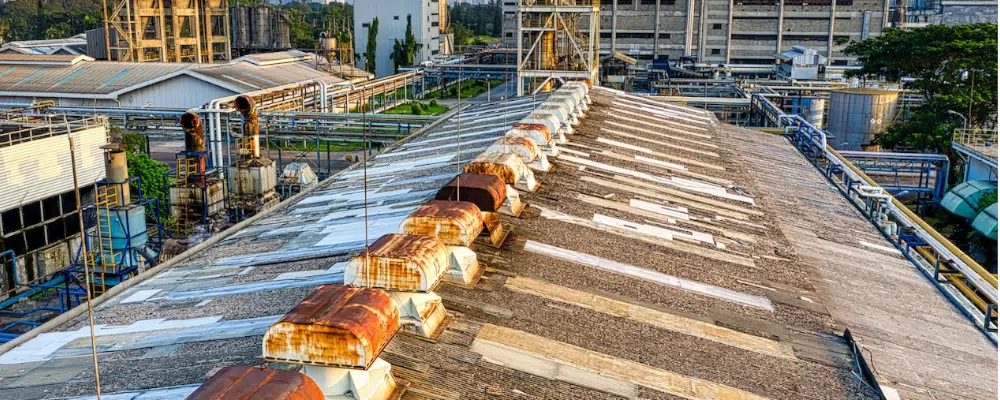
What your customers see when they approach your building is an image that will colour their impression of you forever. It’s vital to maintain a visually appealing exterior to your commercial building and represent your business in the way you want the outside world to see you.

Not only that, but regularly maintained cladding ensures your building exterior doesn’t become damaged as it fends off the ravages of the British weather.

Cladding spraying provides a viable alternative to the more costly cladding replacement, helping you turn your tired old cladding into a vibrant new exterior that ensures a positive impact on visitors.

What is Cladding Spraying?

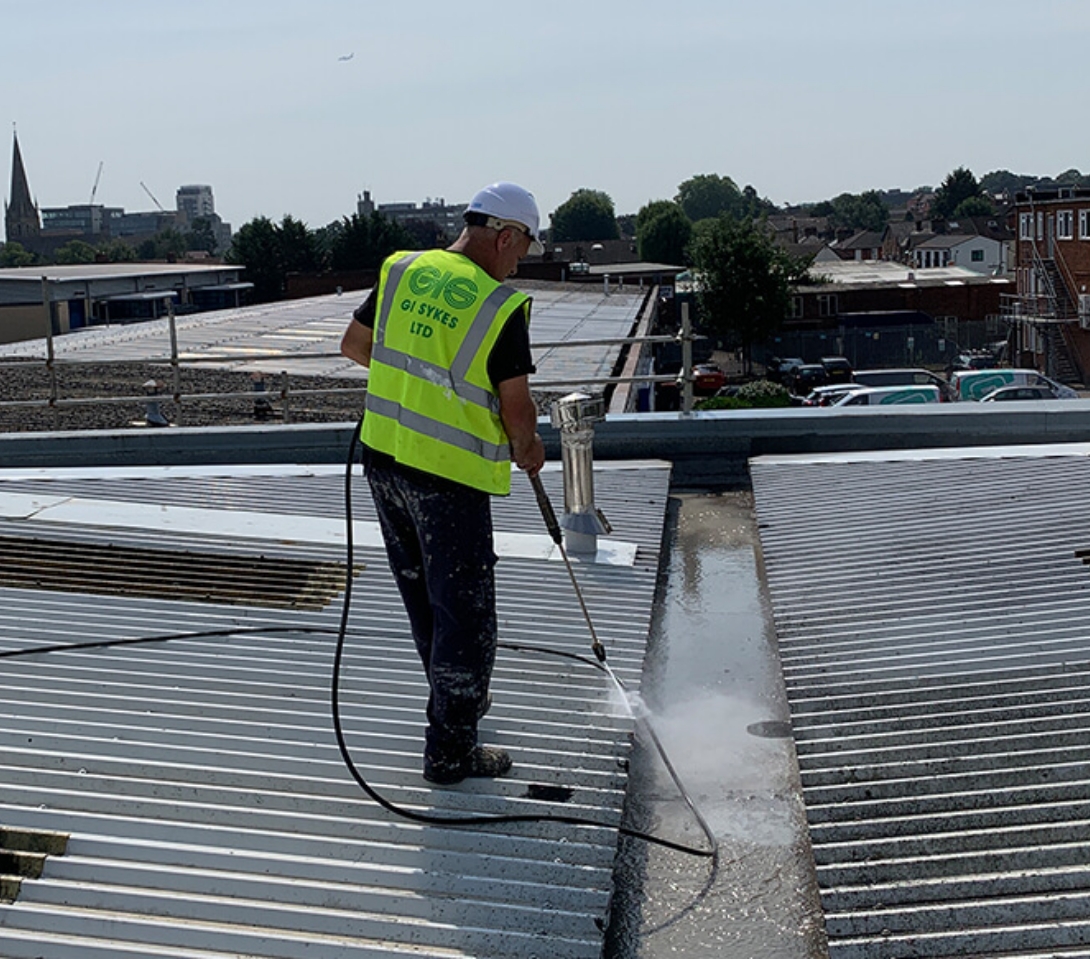
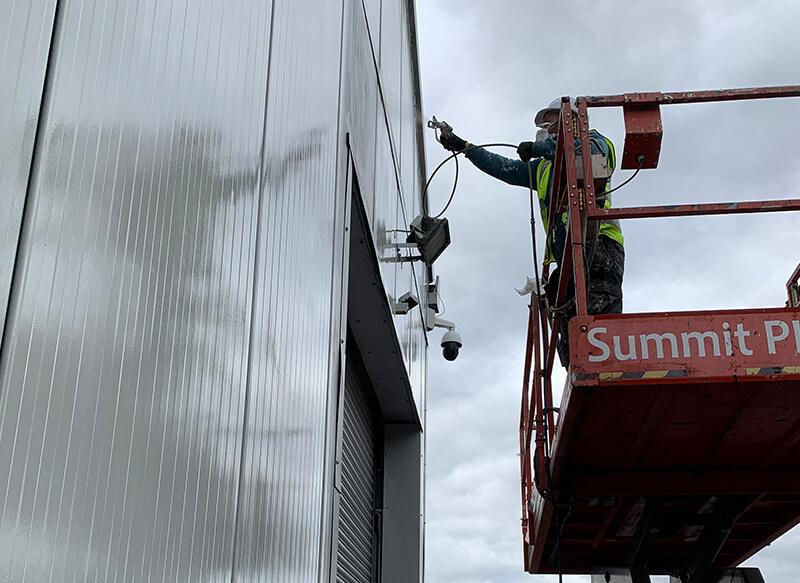
Cladding spraying is exactly what it seems – a coloured protective coating that’s sprayed onto your existing cladding to revitalise the hard wearing material underneath. It’s suitable for application on all common types of commercial cladding, including aluminium, steel, and uPVC, and it can be applied swiftly and safely by an experienced team of professionals, minimising disruption to your business.

Why Consider Cladding Spraying?

If the outside of your building looks tired and the cladding no longer projects the image that you want your customers to see, then something has to be done. Do you consider cladding spraying or opt for entirely new cladding? What about doing nothing at all?!

Problem 1: Significant Damage

If your external cladding has significant damage, let’s not mess around – you need to replace it. Covering large problems with even the best cladding spraying is not going to work, and doing nothing will just lead to a potentially larger bill at a later date – or worse, some sort of accident that could have been avoided.

The answer to this problem is clear: replacement cladding.

Problem 2: Wear

Cladding lasts a long time – it’s one of the reasons it’s a great solution to the issue of protection for commercial buildings – but a long time isn’t forever. Over the years, the weather is going to do what it does best and work away at that protection. Both replacing the cladding and spraying are solutions to the problem of wear, and really, it comes down to cost – replacement is considerably more expensive. As for doing nothing… well, you could, but how long are you willing to watch your building slowly fall apart?

The answer: cladding spraying for cost-effectiveness until it’s reached its end of life.

Problem 3: Tired- Looking Exterior

So, there’s nothing technically wrong with the effectiveness of your cladding, but it’s looking tired and it is damaging the impression you are giving customers. A tired-looking exterior may seem like a ‘who cares, do nothing’ problem, but the impact on your business is often significant:

  • Lost Business – Customers choose to go elsewhere based on a negative impression.
  • Poorer Negotiating Power – Customers expect to be given better discounts and deals because they perceive you as a struggling business.
  • Low Staff Morale – Your employees feel drained turning up to the same old depressing building day after day, with no sign that anything is being done to revitalise it.
  • Personal Misery – You may even lose your own passion for your business, feeling like it’s just going nowhere.

But there’s no need to go to the expense of completely recladding the premises. The answer is is: cladding spraying.

Problem 4: A Rebrand

One of the largest revitalisations your business can undergo is a rebranding. You change your logo, you update your colour palette, and you feel like a phoenix reborn. Rebranding means that updating your exterior is essential; after all, you don’t want your customers to be confused when they seek you out.

Sure, you could splash out on a full cladding replacement, but let’s face it, what you really need to do is brighten it all up with a new coat of paint!

The answer? You’ve got it: cladding spraying.

The Pros of Cladding Spraying:

  • Cost Effectiveness – It’s a significantly lower outlay when compared to a complete replacement.
  • Minimal Disruption – The turnaround time is quick, and there’s minimal disruption to your business’s daily operations.
  • Enhances Aesthetics – Spraying provides a fresh, professional appearance for your premises and offers an impressively wide range of colour options to match your company branding.
  • Extended Lifespan – High-quality coatings protect your cladding and extend its lifespan.
  • Improved Impact – Customers enter your building with respect and confidence while staff come to work feeling revitalised.
Understanding Cladding Replacement

There will be times when replacing the cladding will be the better option:

  • Extensive damage
  • Structural issues
  • The decision to upgrade cladding materials

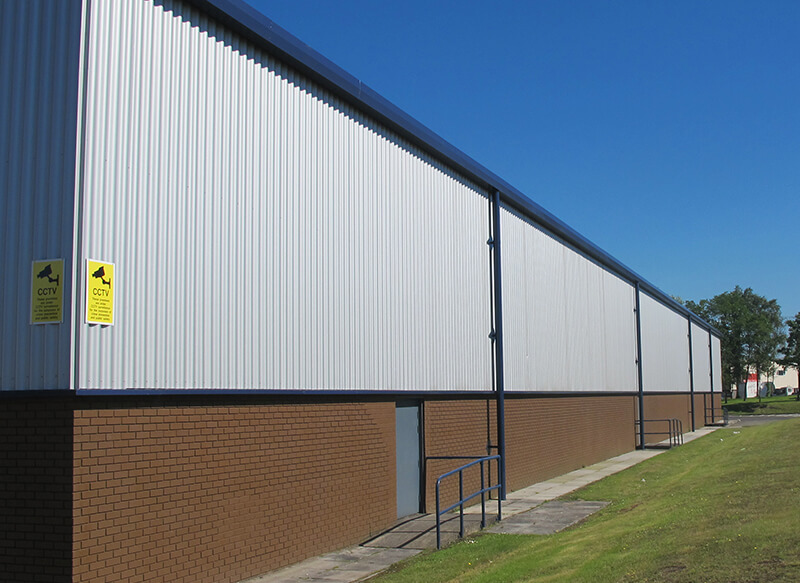
Cladding replacement means removing all the old cladding and replacing it with new, though you might only need a few panels replaced, and these can be sprayed to match the colour of the existing cladding.

The considerations when considering cladding replacement are:

  • Cost – It’s a significant investment when compared to spraying.
  • Disruption – A recladding project has safety considerations that may disrupt your business operations and cause unwanted downtime.
  • Waste – Removing the old cladding generates additional waste and has an environmental impact that should be considered.

Making The Choice: Cladding Spraying or Replacement?

The questions to consider when choosing between cladding spraying and cladding replacement should be:

  • Is the existing cladding structurally sound? – Assess any damage and consider a professional survey.
  • How much budget do I have? – Consider your budget constraints and the long-term cost benefits of each option.
  • Can we afford the downtime? – Understand what the disruption may entail.
  • What is the look we want? – Consider your branding.

Choosing GI Sykes as Your Cladding Experts

At GI Sykes, we have decades of experience in cladding and offer a high-quality cladding spraying service that can revitalise your building’s exterior without breaking the bank. Contact us today for a comprehensive assessment and quote and discover the uplifting benefits of cladding spraying.

Latest Articles

Previous
Next

Flood Restoration: Planning Recovery After A Flood

Company News 14.04.24

Request a FREE QUOTE

If you’d like to discuss a project you have we’d love to help.

Contact us today for a free no-obligation quote.

Get a quote

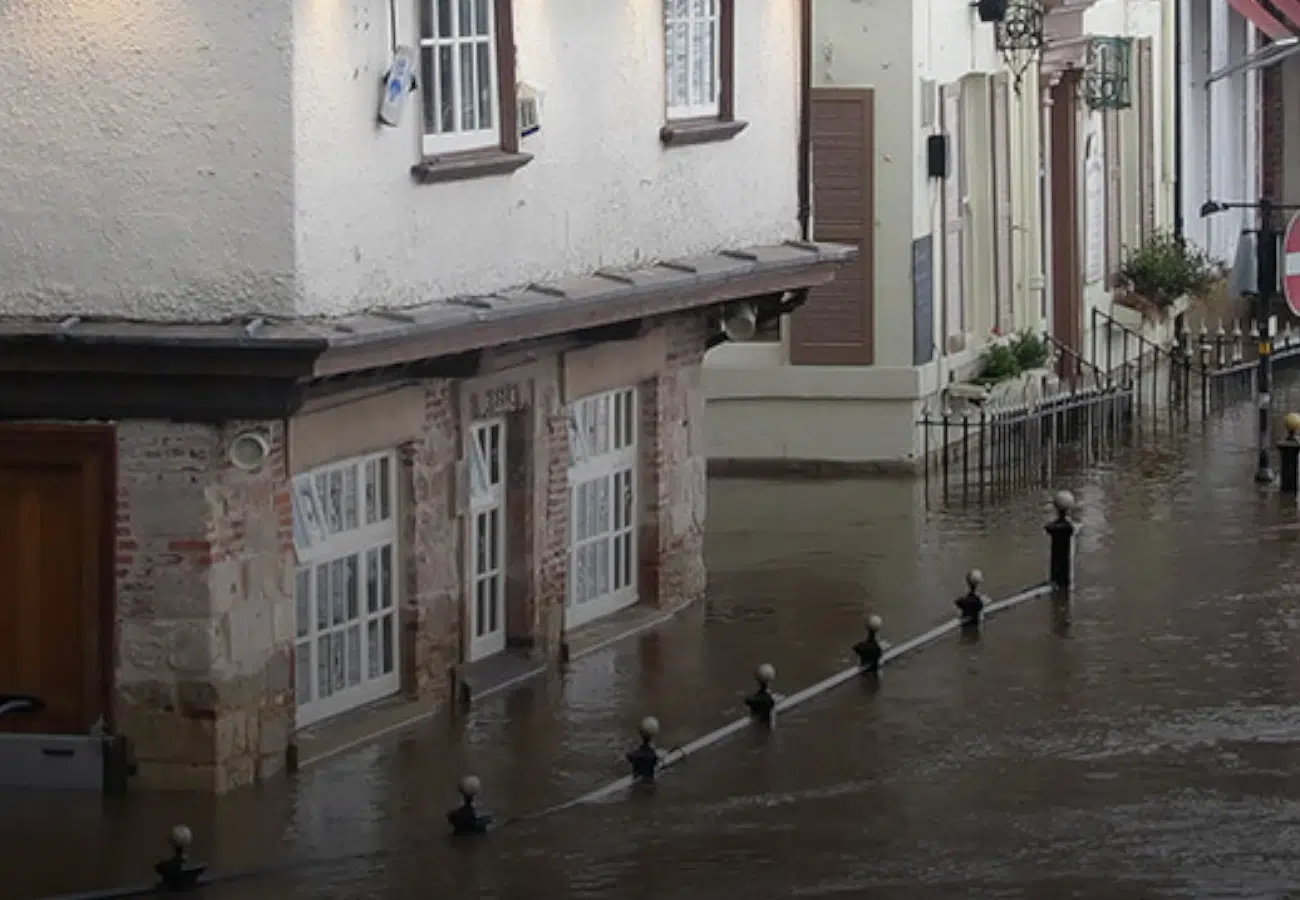
Having your building affected by a flood is a horrible experience, filled with challenges that are both emotional and practical. There is so much that needs to be done, much of it immediately. Don’t panic, though! Here at GI Sykes we have decades of experience dealing with flood damage and the restoration of properties after the water has receded, and we’re here to help.

If your home or commercial property is in an area that may suffer from flooding, take the time to read our article on flood restoration today to be prepared for a tomorrow we all hope won’t ever come.

The Immediate Steps After a Flood

It’s vital that you do what you can to minimise further damage to your property and take as much control as possible.

  1. Stay Calm – We understand just how worrying the flood can seem, but staying calm is essential. It will be alright!
  2. Stay Safe – Put safety first in all cases. Flood damage can be dangerous, and not just because of the water itself. Consider electrical outlets, unseen hazards, and other dangers the flood might present. Put your safety and those of others first, and never take any unnecessary risks.
  3. Prioritise People and Animals – If any people, children or animals are in distress, get them to a safe location.
  4. Contact Emergency Services – If the flood is in an urban area, chances are that the emergency services already know about it and maybe there or on their way, but if your building is in a more remote location, you need to let them know.
  5. Turn Off Utilities – Shut down as much of the building as you can safely access, including gas and electricity. This makes the area safer and helps prevent further damage.
  6. Save What You Can – If you can safely move your possessions to a better location, do so.
  7. Document the Damage – With easy access to a camera on your phone, do what you can to take photographic and video documentation of the flood and its effect on your building.
  8. Contact Your Insurers – Your building and contents insurer will be able to offer further advice on any information or documentation they need to process a future claim. The sooner you speak to them, the better.

With the flood under control, it’s time to think about your next steps.

The Role of a Flood Restoration Contractor

A flood restoration contractor is a company with all the expertise and skills needed to get your building back in working order after a flood. There are many aspects to the work, and unless you have the experience, it can be difficult to remember everything that needs to be done.

There are many benefits to hiring a qualified, professional flood restoration contractor:

  • Safety – Professionals have been trained in all aspects of health and safety regarding floods and will take all necessary precautions to keep both you and them safe.
  • Speed – It can take a long time to get a building restored after a flood. A flood restoration team will have specialists ready to undertake each task with practised efficiency.
  • Specialisations – When you use a larger company for flood restoration, they will have dedicated experts for each of the trades:
    • Builders
    • Electricians
    • Plumbers
    • Decorators
  • Equipment – Not only will a professional flood restoration contractor have the people and expertise but they’ll also have the specialist (and often expensive) equipment needed to get the job done to the highest standards.
  • Management – Experienced flood restorers will have the project management skills in place to ensure the job is organised and undertaken to a high standard, meeting all UK building regulations and safety standards.
  • Administration – A dedicated administrative team will provide a single point of contact for you and your insurance company to engage with and ensure that everything is done as efficiently as possible. Flood insurance claims can be complex and require extensive documentation – all this is handled by specialists with experience and understanding of the process.

The Construction Phase of Flood Restoration

What does the flood restoration contractor do? Here are the steps undertaken by a specialist team:

  • Initial assessment – The contractor will assess the damage, identify potential hazards, and create a restoration plan.
  • Emergency measures – If needed, the property will be secured, utilities shut off, and the standing water removed.
  • Drying and dehumidification – Industrial dehumidifiers draw the water from brickwork, floors, and the building contents to dry out the property efficiently.
  • Building repairs – Any structural repairs or rebuilding of damaged areas is undertaken.
  • Contents restoration or replacement – Depending on the extent of damage, belongings may be cleaned, restored, or replaced.
  • Final inspection and handover – Once everything is dry, safe, and habitable again, the contractor will hand the property back to you.

Contractor Expectations

Flood restoration can be an in-depth project. While the contractor will handle most of the restoration work, there will be some things expected from you:

  • Providing access – It’s essential that the restoration team has unrestricted access to the property during working hours.
  • Decision making – Often, specific cases will come up that require a decision from you, such as salvaging or replacing damaged belongings. Make sure you’re available to make these decisions as they come up.
  • Insurance – While the administrative team will work hand-in-hand with your insurance company, you will need to provide any documentation requested.
  • Communication – It’s important that you are upfront with the contractor about any concerns you have and don’t avoid discussions. Good communication leads to a better outcome.

Choosing the Right Flood Restoration Company

Choosing the flood restoration company that’s right for you is important – it’s a big job, and you don’t want it done by people you don’t trust.

  • Speak to at least two or three different contractors and get quotes from each to compare pricing.
  • Read reviews of the company to get a good understanding of their customer service, experience, and skills.
  • Ask to see pictures of previous work done and ask questions about previous similar projects so that you can get an understanding of the process, their capabilities, and their customer care.
  • Discuss the administration and organisation of the project. Is there one project manager who is the sole point of contact?
  • Talk about budgets and timescales; a qualified professional will always be transparent about costs and realistic about project schedules.

Using GI Sykes as Your Flood Restoration Contractor

At GI Sykes, we bring years of experience in flood restoration to the table. It can be sad to work professionally witnessing the devastation floods can bring, but we take pride in knowing that we’ve helped so many companies and families recover from a disaster. We know just how overwhelming facing a flood can be and are here to provide both personal sympathy and professional expertise in fixing the problem.

Contact us today to discuss our flood restoration services and see how we can help you.

Latest Articles

Previous
Next

Got a Project in mind?

If you’d like to discuss a project you have we’d love to help.

Contact us today for a free no-obligation quote.

Get a quote