Commercial Decorating 101: Everything You Need To Know

Building Repairs 28.05.23
industrila painting

Request a FREE QUOTE

If you’d like to discuss a project you have we’d love to help.

Contact us today for a free no-obligation quote.

Get a quote


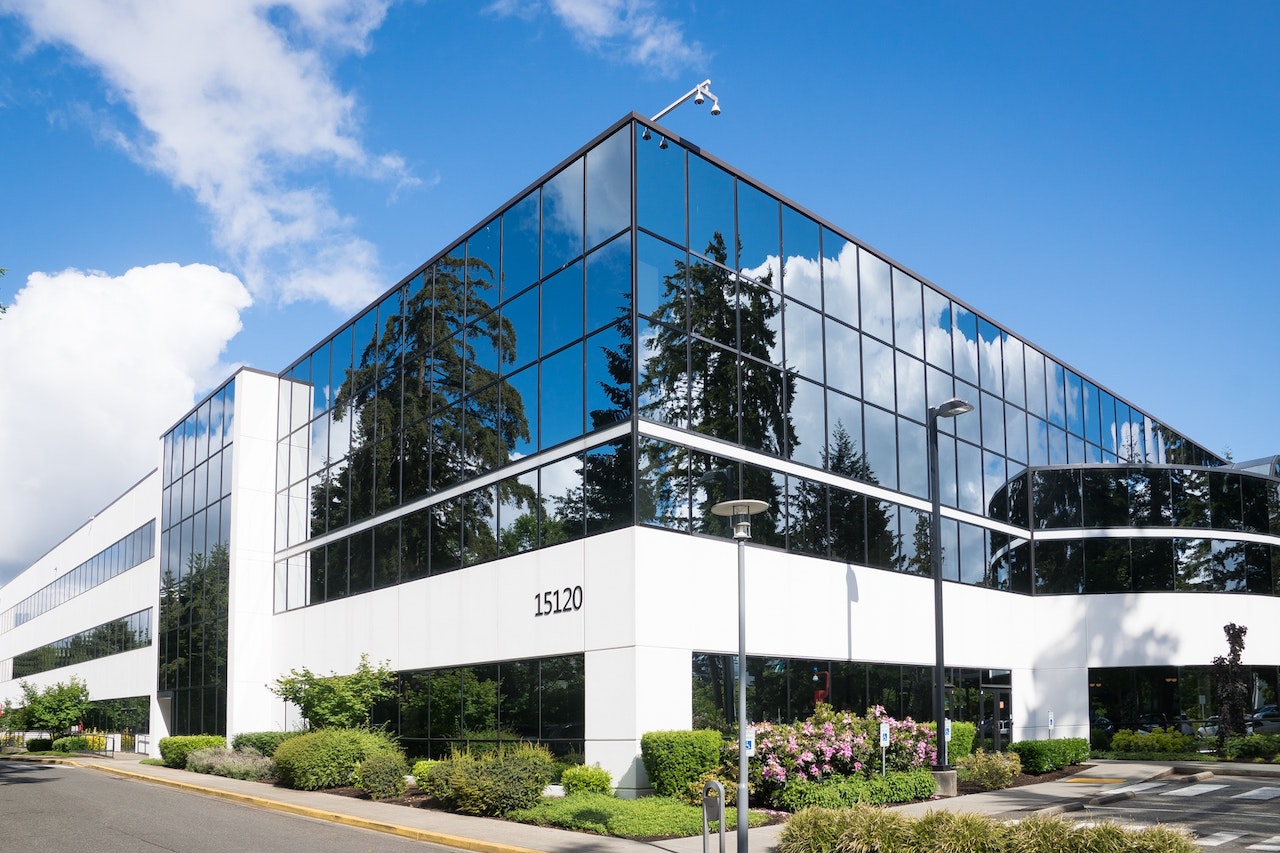
Is your building looking a bit tired from the outside? Or maybe it’s the interiors that need a bit of a makeover. 

Either way, commercial decorating will be high on your agenda. Commercial decor is similar to domestic decor; it just tends to be on a larger scale and uses more industrial materials. 

But what does commercial decorating include? And what should you be asking for?

You’re about to find out.

Commercial Decorating: The Whole Building

Commercial decorating covers the inside and outside of the building; at GI Sykes, we’ve got you covered. 

But why should you bother? Why is commercial decorating so important?

It’s simple. If you own the business that runs from your property, how you portray your business through the aesthetic of the building will have an effect on both your employees and any visiting customers. 

No one wants to work in a shabby office block; we want to feel comfortable – and even proud – of where we work. And for potential and existing customers, a clean, smart and stylish business hub says much about how you run things. 

And if you’re simply the property owner? The people who rent your spaces will expect and may even pay more for a building that gives them a professional and upmarket appearance.  

Every building will need different tasks undertaken to achieve the desired result. For example, a warehouse will require very different aesthetics than a retail business. So next, we’ll explore some of the typical services that commercial decorators tend to offer.  

Interior Commercial Decorating

Let’s start inside the building. Here is a list of some of the aspects commercial decorators can tackle.

Walls And Ceilings

When you want to revamp the walls and ceilings of a building, you’re looking at a huge job. Undertaking the whole thing yourself is unlikely to be something you have the time or experience for. (Think about all of that cutting in!)

Whether the decorating is driven by a rebrand or tired walls and ceilings that need a bit of love, commercial decorators can deliver an exceptionally pristine finish that will inspire employees and give potential customers a good impression. 

Not sure what colour to choose? There’s a huge choice of shades to browse. And if you’ve got something specific in mind, we can even mix colours to your requirements. Either way, commercial decorators like GI Sykes can offer professional advice and guidance on colours and finishes. 

Stairways

Decorating business premises is a world away from decorating your house. 

Often, your building will feature numerous multi-storey stairwells, and these can begin to look worn quickly due to the sheer amount of footfall they experience daily. And, on a more practical level, they are extremely tricky to decorate because of their size, height and awkward angles. 

Commercial decorators have extensive experience in tackling stairwells and know how to work safely to achieve the look you’re going for. Their expertise also lends itself to providing a fast and seamless finish, and they will be able to advise you on various durable paints that work well in high-traffic areas, meaning your stairwells will look great for longer.


Doors And Woodwork

Doors and woodwork shouldn’t go ignored and can greatly impact how your building looks. 

If it’s a new look you’re after, simply changing the colour can work wonders. Or if a rebrand is on the table, doors and woodwork can be painted (or stripped) to match the colour scheme and transform the building from drab to modern.

And it doesn’t just stop at wooden doors; we can revamp steel and aluminium doors and frames too. 

Exterior Commercial Decorating

How your building looks from the outside speaks volumes. Here are some ways commercial decorators can improve the appearance of your building’s exterior.

Window Frames

For worn and discoloured window frames that look dull and in poor condition, GI Sykes can give them a new lease of life.

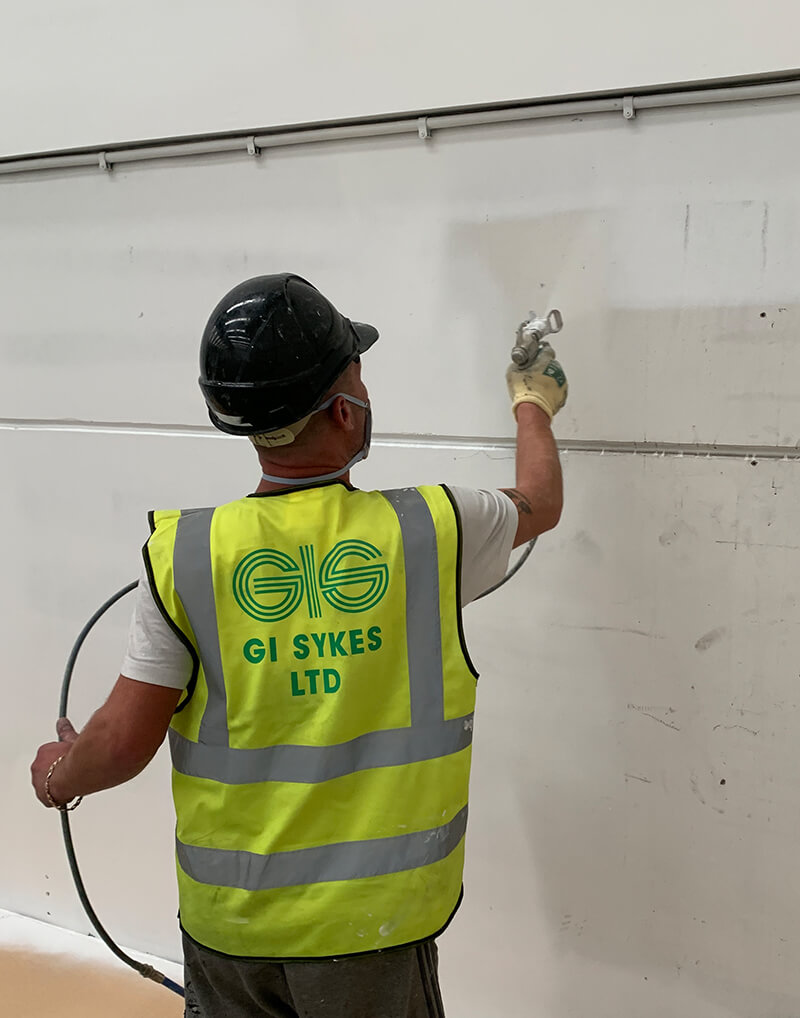
Spraying the window frames of your property can improve how it looks externally and also help to protect against weathering. Whether it’s a rebrand and a change of colour, or just a touch-up to keep your building looking fresh, spraying the window frames is a relatively small job that reaps big rewards. 

Cladding

GI Sykes are market-leading commercial cladding maintenance specialists, and we’re experts at spraying it, too.

Long-lasting and perfect for protecting your building from the weather, cladding is a feature of many commercial properties UK-wide. But when it looks dull and dirty or has been damaged, it can become a risk to the structure of the building, not to mention give a poor impression of your corporate image. 

To transform your exterior, get commercial decorators to apply a fresh coat of specialist paint, fix any parts suffering from the usual wear and tear and organise routine, annual maintenance checks to ensure your cladding remains in good nick.

Your cladding is an integral part of your property; not only does it protect your building from the worst of the weather, but it also serves as a visual representation of your business. Dull, damaged and dirty cladding is a risk to both your structure and your corporate image. Update the colour with our onsite spraying and maintain it with our commercial cladding maintenance service. This will ensure that the condition of your cladding is protected and preserved as time goes on. 


External Walls

Paintwork, inside and out, can suffer in busy commercial and industrial environments. External walls can become marked and unsightly, even to the point where it begins to devalue your property, not to mention your reputation.

With over 100 years of combined industrial and commercial decorating, GI Sykes can quickly and expertly refresh external walls, improving the appearance of your premises, protecting it against graffiti and giving them a professional flourish that will impress clients and improve your corporate image. 

What Makes A Commercial Decorating Company Professional?

We knew you’d ask.

When you bring in a commercial decorating company, you can spot the signs of professionalism through these four main areas:

Experience

Professional commercial decorators will have extensive experience in all areas of their trade and be able to prove it. 

GI Sykes is a fourth-generation family-owned and operated contracting business with a strong team of over 65. Between us, we have over 100 years of experience doing what we love, and doing it well – you can read all about the exceptional work we do in our case studies. 

Training

Extensive and appropriate training and development for all workers is a crucial part of running a commercial decorating business, and GI Sykes doesn’t take this element of professionalism lightly.

Not only does every contractor and technician we bring on board hold exceptional ability and skill at protecting your building, but ongoing training and development in their areas of expertise also keep our standards high and our minds engaged.  

Accreditations

Professional commercial decorators will hold extensive and up-to-date qualifications and accreditations that are recognised in the industry.

GI Sykes has been delivering excellence for 55 years and is fully insured and qualified. A few of the organisations we are approved by and registered with include:

  • CHAS, the UK leader in compliance and risk management
  • Constructionline, a register for pre-qualified contractors and consultants in the construction industry
  • The FMB, a UK trade association that protects small and medium-sized building firms
  • The NHBC, an organisation that provides consumer protection for homebuyers through its 10-year Buildmark warranty

To find out more about us, head to our website.

Why Invest In Commercial Decorating?

When you fork out for commercial decorating for your property, you’re ensuring any work carried out is completed to the highest level, leaving you with a professional finish.

Quality Products

Commercial decorators like GI Sykes will use professional quality paint and other materials that aren’t available to the public. This stuff is far superior to the off-the-shelf equivalent you’d find in a hardware store, meaning your money is well spent, and the work will last.

Speed 

Need to schedule a partial or whole school revamp? Book us in for the holidays, and we’ll be sure to transform your space before the kids are due back.

With a team of over 65 expert contractors at our disposal, any jobs we’re hired to do – no matter their complexity – happen fast and leave our customers smiling. 

Insurance 

Insurance is a must, no matter the project, and it protects both the contractor and the client.

Any competent and professional building contractor should have insurance that covers the type of work you’ve booked them for, including public liability insurance. GI Sykes are insured to the highest standard, giving you peace of mind that should anything go wrong, you, your property and your people are protected. 

Complex Jobs

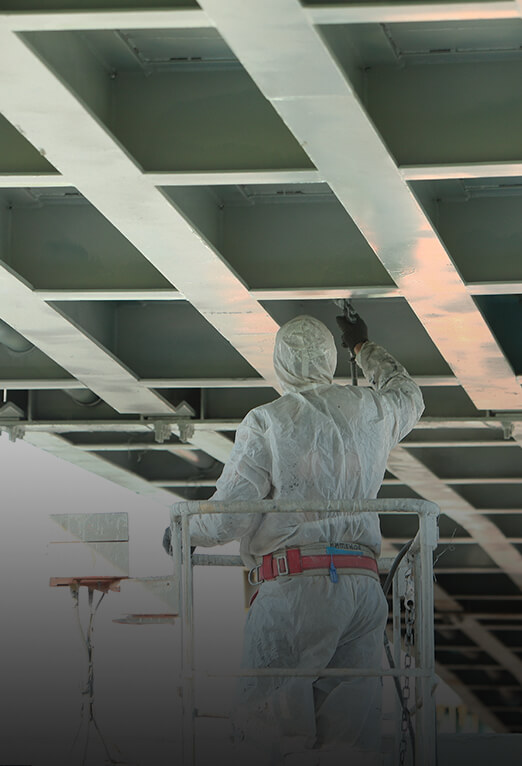
Professional commercial decorating contractors are highly skilled at carrying out complex jobs, like painting stairwells, spraying cladding – even at height – and treating the steel structure of your building with intumescent paint to protect it against fire. 

Professional Service And Minimum Disruption

When a commercial decorating company carries out a job in your building, they cover and protect all exposed equipment and fixtures like radiators, carpets and machinery. 

With GI Sykes, your satisfaction is our top priority. You won’t find us cutting corners! We turn up when we’re supposed to and work as quickly and quietly as possible without compromising the quality of the finish. 

Quality Customer Service

GI Sykes hold many an accreditation, including ISO 9001 and ISO 4001, which ensure quality customer service and environmental management systems respectively. 

If you choose to work with GI Sykes to transform your property, you’ll experience the values of a family-run business alongside the capabilities of a large commercial contractor. 

Safety-Conscious

Whether it’s steel fireproofing or epoxy resin floor treatments you’re after, our contractors are qualified, trained and insured – and have everyone’s safety front of mind. 

What Do We Decorate?

GI Sykes are award-winning commercial decorators with a competitive pricing structure and outstanding customer service. We have been providing quality workmanship nationwide since 1965.

As for what sort of buildings we decorate, the sky is the limit. So far, we’ve transformed…

  • Schools
  • Offices
  • Hotels
  • Retail units
  • Industrial buildings
  • Warehouses
  • Offices, and
  • Public buildings.

(And, not to brag, but some of the names we’ve worked with include Tesco, McDonald’s, Starbucks, Audi and the NHS).

Commercial Decorating Emphasises The Value Of Your Business

Getting in professional commercial decorators to enhance the look and protect the structure of your building isn’t just about saving time; it’s about increasing value.

A freshly decorated workspace can increase employee engagement and productivity, impress new and existing clients and even save lives if disaster strikes.

Have you been looking into commercial decorating for your property? Click this link for a free, no-obligation quote and take the stress out of commercial decorating today.

Latest Articles

Previous
Next

Key Factors for a Successful Commercial Building Extension

Building Construction 26.05.23
pexels pixabay 269077

Request a FREE QUOTE

If you’d like to discuss a project you have we’d love to help.

Contact us today for a free no-obligation quote.

Get a quote

Commercial building extensions are a way to increase the size, functionality, and value of a commercial property. However, the planning process can be overwhelming and complex. There are many important considerations to keep in mind when planning a commercial building extension, from zoning laws to budget constraints. This article will explore the key factors for a successful commercial building extension.

Zoning and Building Codes

Zoning and building codes are among the most important considerations when planning a commercial building extension. Zoning laws regulate the use of land and buildings in a particular area while building codes set standards for construction and safety. Before beginning any construction, it is important to research and understand the zoning and building codes in the area. Failure to comply with these laws can result in fines, legal action, and even the demolition of the building.

Budget

Another important consideration when planning a commercial building extension is the budget. Building extensions can be expensive, and it is important to clearly understand your budget before beginning any construction. This includes the cost of materials and labour and any additional expenses such as permits, inspections, and design fees. It is important to work with a qualified contractor who can provide a detailed estimate of all costs associated with the project.

Design and Functionality

When planning a commercial building extension, it is important to consider both the design and functionality of the space. The design should be aesthetically pleasing and complement the existing building while also meeting the needs of the business. The functionality of the space should be carefully considered, including factors such as lighting, ventilation, and accessibility. It is important to work with an experienced architect or designer who can help create a design that meets the business’s aesthetic and functional needs.

Timeline

Another important consideration when planning a commercial building extension is the timeline. Construction can be disruptive to business operations, and it is important to have a clear understanding of the timeline for the project. This includes the construction timeline and any necessary permits, inspections, and approvals. It is important to work with a contractor who can provide a realistic timeline for the project and communicate any delays or changes in a timely manner.

Environmental Impact

Finally, it is important to consider the environmental impact of a commercial building extension. This includes not only the impact on the local environment but also the impact on the global environment. Sustainable building practices, such as using energy-efficient materials and incorporating renewable energy sources, can help reduce the environmental impact of a commercial building extension. It is important to work with a contractor who is knowledgeable about sustainable building practices and can help incorporate them into the project.

Conclusion

In conclusion, planning a commercial building extension requires careful consideration of many important factors. Zoning and building codes, budget, design and functionality, timeline, and environmental impact are all important considerations to keep in mind when planning a commercial building extension. Working with a qualified contractor who can provide guidance and expertise can help ensure a successful project that meets the needs of the business while also complying with all laws and regulations.

Looking for reliable commercial building contractors to help you plan and execute your next project? Look no further than G.I. Sykes! With years of experience in the industry, our team of experts is dedicated to delivering high-quality results that meet the unique needs of your business. Get in touch today!

Latest Articles

Previous
Next

9 Easy Steps to Invest in Commercial Property for Renovation

Building Construction 19.05.23
hands engineer working blueprint construction concept engineering tools vintage tone retro filter effect soft focus selective focus

Request a FREE QUOTE

If you’d like to discuss a project you have we’d love to help.

Contact us today for a free no-obligation quote.

Get a quote

Investing in commercial property for renovation has become a popular way for investors to earn passive income and increase their net worth. However, this type of investment requires a significant amount of capital, research, and due diligence. 

Investing in a commercial property for renovation can be a complex process, and without proper planning and execution, it can lead to financial losses. 

In this article, we will provide a comprehensive guide on how to invest in commercial property for renovation, covering everything from researching the market to marketing the property. By following these steps, you can make an informed decision and increase your chances of success in this lucrative investment opportunity.

1. Research the Market

The first step in investing in commercial property is to research the market thoroughly. This includes identifying which types of commercial properties are in demand and which areas are experiencing growth. Researching the market will help you identify the best properties to invest in.

2. Find a Good Location

Location plays a critical role in the success of any commercial property investment. Look for properties in areas with high foot traffic and good accessibility to public transport. Ideally, the property should be located in an area that is experiencing growth and development.

3. Assess the Property

Before investing in a commercial property, it is essential to assess the property thoroughly. This includes conducting a comprehensive inspection of the property to identify any issues that may need to be addressed. The assessment should also include an analysis of the property’s condition, age, and any necessary repairs or upgrades.

4. Calculate the Costs

Once you have identified a suitable property, it is essential to calculate the costs involved in renovating the property. This includes the cost of materials, labour, and any necessary permits. It is essential to ensure that the cost of renovating the property does not exceed the potential return on investment.

5. Obtain Financing

Investing in commercial property for renovation can be costly, and it is essential to obtain financing to cover the costs. You can obtain financing from a bank or other financial institution. It is crucial to shop around for the best rates and terms to ensure that the financing is affordable.

6. Create a Renovation Plan

Before renovating the property, it is essential to create a renovation plan. The plan should include the scope of the work, the timeline for completion, and the budget. It is essential to work with a reputable contractor to ensure that the renovation is completed on time and within budget.

7. Obtain Necessary Permits

Renovating a commercial property often requires obtaining permits from the local authorities. It is essential to obtain all necessary permits before starting the renovation work. Failure to obtain the necessary permits can result in fines and delays in completing the renovation.

8. Renovate the Property

Once all the necessary permits have been obtained, it is time to renovate the property. It is essential to stick to the renovation plan and budget to ensure that the project is completed within the allocated time and budget. It is also crucial to monitor the progress of the renovation regularly.

9. Market the Property

Once the renovation is complete, it is time to market the property to potential tenants or buyers. It is essential to work with a reputable real estate agent to help you find suitable tenants or buyers. It is also crucial to ensure that the property is priced correctly to attract potential tenants or buyers.

Conclusion

Investing in commercial property for renovation can be a profitable venture if done correctly. It requires careful planning, research, and due diligence to ensure that the investment is sound and will yield a return on investment. By following the steps outlined in this article, you can invest in commercial property for renovation with confidence and increase your chances of success. 

Remember to research the market, assess the property, calculate costs, obtain financing, create a renovation plan, obtain necessary permits, renovate the property, and market it to potential tenants or buyers. With patience, persistence, and a well-executed plan, you can turn a commercial property renovation into a lucrative investment opportunity.

If you’re looking for a reliable and experienced commercial building contractor, look no further than G.I.Sykes. We have the expertise, experience and commitment to deliver successful commercial projects to a diverse range of clients across the UK. Contact us today to find out how we can help you with your next project!

Latest Articles

Previous
Next

Does Your Building Have The Right Fire Protection?

Building Construction 14.05.23
commercial spraying done

Request a FREE QUOTE

If you’d like to discuss a project you have we’d love to help.

Contact us today for a free no-obligation quote.

Get a quote

Fire protection is an important issue. Fire safety regulations can feel overwhelming, but it’s not enough to simply ignore them as if they’re an added expense. 

While it costs money to get fire protection right, it could save lives. And hopefully, you’ll never need to use it.

What Is Fire Protection In A Building?

Fire protection in a building refers to the safety features and systems in place to limit or stop the effects of a fire. You will encounter two categories of fire protection in a building, so let’s take a look at both. 

Active Fire Protection

This term refers to methods of fire protection that kick into action in response to a fire. They are the systems that we generally associate with fire protection and tend to be highly visible within a building. 

Examples of active fire protection include:

  • Sprinklers. Sprinkler systems use water to suppress fires by raining down on the flames.
  • Alarms. These products detect heat, smoke and flames and alert the building’s occupants to emergencies.
  • Suppression systems. Extinguishers and fire hoses are both types of fire suppression systems that use foam and inert gases to put a fire out or prevent it from escalating.

Passive Fire Protection

Passive fire protection describes measures taken that minimise potential fire damage. It is a crucial part of any building’s fire safety strategy because it helps to slow the spread of fire and reduce its intensity, protecting the people in the building, as well as the building itself. 

There are many passive fire protection systems, including fire-rated coatings for ceilings and walls, specialist flooring and other structural elements like the reinforcement of columns and beams to withstand the intense heat of a fire for longer.

It’s this element – the ability of the building to take the devastating effects of the fire and hold steady for a longer period – that gives you more time to complete a full evacuation. And a slower spread of fire means not only are your people safer, but your belongings are too. 

Let’s take a closer look at passive fire protection options.

Intumescent Coatings

Intumescent coatings are specialist paints and sprays that a specialist contractor can apply to the steel structure of your building to protect it against fire. When steel gets to a certain temperature, it begins to fail. When a building’s steel structure falters, the integrity of the entire building is jeopardised, and this places the inside people at a far greater risk. 

Because intumescent steel coatings enable the steel structure of a building to remain intact for much longer, emergency services have enough time to evacuate anyone inside it and stop the spread of the fire. 

How It Works

Intumescent steel coatings react to extreme heat. So, in the event of a fire, the specialist paint swells up to a whopping 50 times its thickness, and this protects the steel aspects underneath for up to two hours of full fire protection. 

Fire Protection Coatings

Where intumescent steel coatings specifically protect the steel aspects of your building’s structure, fire protection coatings are an umbrella term for paints and sprays that protect your walls and ceilings.

How It Works

As with all passive fire protection systems, the aim is to save lives, reduce business losses and protect the building itself. When fire hits, walls and ceilings can crumble and fall, posing a severe risk to anyone and anything inside and potentially hindering evacuation.

Fire protection coatings can be applied to the walls and ceilings of your building to form a protective layer against the fire, prolonging their integrity and preventing structural failure. The coating expands when exposed to extreme heat, defending the building against fire from 60 minutes to 120 minutes while evacuating. 

Suspended Ceilings 

You’ll likely have come across suspended ceilings at some point without knowing what they’re called, or why they’re used.

A suspended ceiling is a false ceiling that sits below the existing ceiling of a room, often found in commercial settings like offices and shops. It is constructed from tiles and a metal framework that hangs from the structural ceiling above and can be installed to easily hide pipes and wires. 

Not all suspended ceiling tiles are fire-rated, but the introduction of fire-safe ceiling tiles can play a crucial role in the event of a fire. 

How It Works

Not only does a suspended ceiling mean you can unobtrusively run pipes for a sprinkler system, but fire-rated ceiling tiles can help to slow down a fire in action. 

Fire-rated ceiling tiles are made from materials that are less ignitable and have been rigorously tested to check their performance at various stages of a fire. When you install a fire-rated suspended ceiling, you’re ensuring your ceiling system won’t contribute to both:

  • The development or growth of a fire and reduce the time available for evacuation and put the building and its contents at higher risk.
  • The production of smoke that could seriously impair people inside the building. 

Fire Doors

The main role of a fire door is to provide a safe route out in the event of a fire. But it also helps to compartment a building. 

Compartmentation is a fire protection strategy that involves splitting a building, or part of a building, into multiple spaces or storeys to prevent the spread of fire through it. 

How It Works

Treating compartment walls and floors with fire-resisting paints and sprays, as well as fitting the appropriate doors, compartment lines and ductwork, for example, ensures their structure isn’t compromised during a fire and that it is not allowed to spread easily.  

Fire doors themselves are a key element of compartmentation and usually feature intumescent strips or a cold smoke seal. This prevents smoke from seeping from room to room.


What Is The Law On Fire Protection?

Every business should appoint a ‘Responsible Person’ for all things fire safety, but it’s a great idea to get everyone up to speed on UK fire safety legislation. Here’s the low down:

Fire Risk Assessment

If you have fewer than 4 employees, your fire risk assessment doesn’t need to be written down – but we recommend you do. It’s just easier. It’s also best practice to use a professional fire risk assessor to help your Responsible Person complete the document unless they are confident in the area.

Your fire risk assessment must be reviewed regularly and kept up-to-date, and it’s one of the first things an inspecting officer will expect to see.

Fire Safety Log Book

A fire safety log book is a resource dedicated to recording the location and state of fire safety equipment in the building, as well as specifying any actions that need to be taken to maintain fire safety. This enables procedures and equipment to be kept within the realms of safe and stringent legislation here in the UK.

It also means this vital information is all stored in an easy-to-digest format for anyone who reads it, including your inspecting fire safety officer. 

Fire Fighting Equipment

In the UK, it’s the law to provide appropriate fire-fighting equipment. Usually, this legislation refers to the usual portable fire extinguishers, but it might be necessary for higher-risk businesses like restaurants to install sprinklers or hose reels because they are more likely to experience the threat of a fire. 

There are varying types of fire extinguishers, so the one you’ve got must be correct, and it must be maintained by way of an annual test, completed by a competent person, to ensure it’s in good working order. Some extinguishers may even need to be certified. 

Signage

This might not be front of mind when we’re talking fire safety, but correct and proper signage plays a big role in fire safety compliance for your business. 

Not sure what we mean? Here are some of the fire safety signs your business might need to put into place:

  • Fire extinguisher ID sign. This is a mandatory sign that locates each extinguisher and explains what they are for.
  • Fire alarm call point signs. Another mandatory sign (if you have an alarm). This sign identifies where you can activate the fire alarm itself.
  • Fire action notice. This sign is crucial, and mandatory for all premises because it explains what to do in the event of a fire. 

Fire Detection System

All premises must have a fire detection system in place, and it must be tested weekly to ensure compliance with UK legislation. 

To ensure the system works well, it must also be maintained monthly by a competent person and serviced at least every 6 months. 

There are two types of fire detection systems:

  • Automatic fire detection systems are required if an active fire could go undetected or block routes out of the building. These kick in by detecting smoke in the air and immediately sounding an alarm. 
  • Manual fire detection describes simpler systems that require human intervention to work. You might remember being tempted to break into these at school. They are positioned strategically throughout a building and are often triggered by breaking a glass screen.


Emergency Lighting

When a fire occurs, normal lighting commonly fails, making it harder for people to evacuate and emergency services to fight the fire. Emergency lighting is, therefore, a mandatory fire protection feature for UK business properties. 

The three main types of emergency lighting are as follows: 

  • High-risk area lighting, to help workers of high-risk processes and tasks, like operating machinery or handling dangerous goods, shut down potentially dangerous processes.
  • Open area lighting, to highlight the communal areas of the building and reduce panic.
  • Escape route lighting, to illuminate exits and fire fighting equipment.

The Right Fire Protection Can Save Lives 

The UK legislation surrounding fire safety and protection is stringent because it needs to keep people and properties as safe as possible in the event of a fire. 

Understanding your obligations can be confusing, but we are here to help. GI Sykes can help make your building as safe as possible so that you know your people are protected if catastrophe strikes.

Not sure if your building or property is fire-ready? Contact us to discuss fire safety and protect your people.

Latest Articles

Previous
Next

Advantages of Investing in Good Quality Building Insulation

Building Construction 12.05.23
view building construction

Request a FREE QUOTE

If you’d like to discuss a project you have we’d love to help.

Contact us today for a free no-obligation quote.

Get a quote

Good quality building insulation is a crucial aspect of constructing a building. It is a layer of material installed in walls, roofs, and floors to minimise heat transfer between the inside and outside of the building. Good-quality building insulation has numerous advantages, including energy savings, improved indoor comfort, and reduced environmental impact. This article will discuss the advantages of investing in good-quality building insulation.

Energy Savings

One of the primary advantages of investing in good quality building insulation is energy savings. Insulation helps maintain a consistent temperature inside the building, reducing the energy required to heat or cool the interior. This can result in significant energy savings in the long run, which translates into lower utility bills. In addition, well-insulated buildings are less reliant on fossil fuels, which can reduce the environmental impact of the building.

Improved Indoor Comfort

Moreover, good quality building insulation provides an optimal indoor comfort level. It maintains a consistent temperature inside the building, which eliminates the presence of cold or hot spots. This results in a more comfortable living or working environment, increasing productivity and satisfaction. With good insulation, occupants can enjoy a cosy and comfortable ambience, regardless of the weather outside. This can also reduce the need for additional heating and cooling equipment, contributing to energy savings.

Reduced Noise Pollution

Another advantage of investing in good quality building insulation is reducing noise pollution. With insulation, the sound is absorbed, which results in reduced noise that enters the building from the outside. This is particularly significant for buildings in noisy areas like busy roads or airports. Insulation blocks out unnecessary noise, creating a peaceful and quiet indoor environment. This can lead to improved focus, reduced stress, and better sleep quality, benefiting the health and well-being of occupants.

Improved Indoor Air Quality

In addition, good quality building insulation can improve indoor air quality. Insulation minimises the amount of air that enters and exits the building, reducing the infiltration of pollutants and allergens. This can result in a healthier living or working environment, decreasing the incidence of respiratory illnesses. With insulation, occupants can breathe cleaner air, promoting better health and well-being. Investing in good quality building insulation can create a safer and healthier living and working environment for ourselves and those around us.

Reduced Environmental Impact

Lastly, investing in good quality building insulation can significantly reduce the environmental impact of a building. With insulation, less energy is required to maintain a comfortable indoor temperature, reducing greenhouse gas emissions into the atmosphere. This helps to mitigate the effects of climate change, reduce the building’s carbon footprint, and promote sustainable living. By investing in good insulation, we can contribute to preserving the environment and creating a healthier and more sustainable future for generations to come.

Conclusion

In conclusion, investing in good quality building insulation is a wise decision that can lead to numerous advantages. It improves energy efficiency, enhances comfort levels, reduces noise pollution, improves indoor air quality, and reduces the environmental impact of a building. Investing in good-quality building insulation can save money in the long run and increase the value of a property. It is essential to consider insulation as part of any building project, whether it is a new construction or a renovation.

Looking for reliable and experienced building contractors for your next construction project? Look no further than G.I.Sykes! We prioritise customer satisfaction and ensure that every project is completed on time and to the highest standards. Get in touch with us today!

Latest Articles

Previous
Next

Advantages of Working with Commercial Building Contractors

Building Construction 05.05.23
ben iwara r5BOfNgTVxo unsplash

Request a FREE QUOTE

If you’d like to discuss a project you have we’d love to help.

Contact us today for a free no-obligation quote.

Get a quote

When undertaking a construction project, whether a minor renovation or a large-scale commercial development, it’s essential to work with a commercial contractor.

A commercial contractor is a professional who specialises in managing and overseeing construction projects from start to finish. They can help you navigate the complexities of the construction process, ensuring that your project is completed on time, within budget, and to your satisfaction. In this article, we’ll explore why you should work with a commercial contractor on your next project.

Expertise and Experience

One of the most significant advantages of working with commercial building contractors is their expertise and experience in the construction industry. They have a deep understanding of the various aspects of construction, including design, materials, building codes, and safety regulations. They can also help you make informed decisions about your project by providing valuable insights and recommendations based on their experience in the field.

Project Management

Another key benefit of working with a commercial contractor is that they manage every aspect of your project. They will take care of everything from scheduling to budgeting, ensuring that everything runs smoothly and efficiently. They will also coordinate with subcontractors, oversee the work, and ensure that everything is completed to your satisfaction.

Cost Savings

Working with commercial building contractors can also help you save money on your construction project. Contractors have established relationships with suppliers and subcontractors, meaning they can negotiate better prices for materials and services. They can also identify areas where cost savings can be made, such as suggesting alternative materials or design options that are more cost-effective.

Quality Control

Quality control is crucial in any construction project, and commercial building contractors are experts in ensuring that all work is completed to the highest standard. They have a keen eye for detail and will conduct regular inspections to ensure everything is up to code and meets your expectations. They will also take care of any necessary repairs or corrections, ensuring that your project is delivered to you in pristine condition.

Time Management

Time management is another critical aspect of any construction project, and commercial contractors are skilled at managing the project timeline. They will create a detailed schedule for the project, ensuring that all tasks are completed on time and within budget. They will also handle any delays or unexpected issues, ensuring the project is completed on time.

Safety and Compliance

Construction sites can be dangerous places, and it’s essential to work with a contractor who prioritises safety. Commercial contractors are experienced in implementing and enforcing safety protocols, ensuring that all workers on the site are protected from harm. They are also familiar with all building codes and regulations, ensuring your project complies with all relevant laws and regulations.

Communication

Effective communication is critical to any successful construction project, and commercial contractors are skilled at communicating with all stakeholders involved in the project. They will keep you informed at every stage of the project, providing regular updates and addressing any concerns you may have. They will also liaise with subcontractors, suppliers, and other parties involved, ensuring everyone is on the same page.

Conclusion

Undertaking a construction project is a significant investment, and working with a commercial contractor who can deliver the desired results is essential. By working with a contractor, you can benefit from their expertise and experience, save money on your project, ensure high-quality work, and benefit from effective project management. If you’re planning a construction project, consider working with a commercial contractor to ensure your project succeeds.

Work with reliable commercial building contractors when you choose G.I.Sykes. We specialise in commercial construction projects, and our team of experts can provide you with high-quality workmanship, value for money, and excellent customer service. Contact us today to discuss your requirements and get started on your construction project.

Latest Articles

Previous
Next

Got a Project in mind?

If you’d like to discuss a project you have we’d love to help.

Contact us today for a free no-obligation quote.

Get a quote