Industrial Painting – Why Does Paint Bubble?

Spraying Services 30.12.21
Services3

Request a FREE QUOTE

If you’d like to discuss a project you have we’d love to help.

Contact us today for a free no-obligation quote.

Get a quote

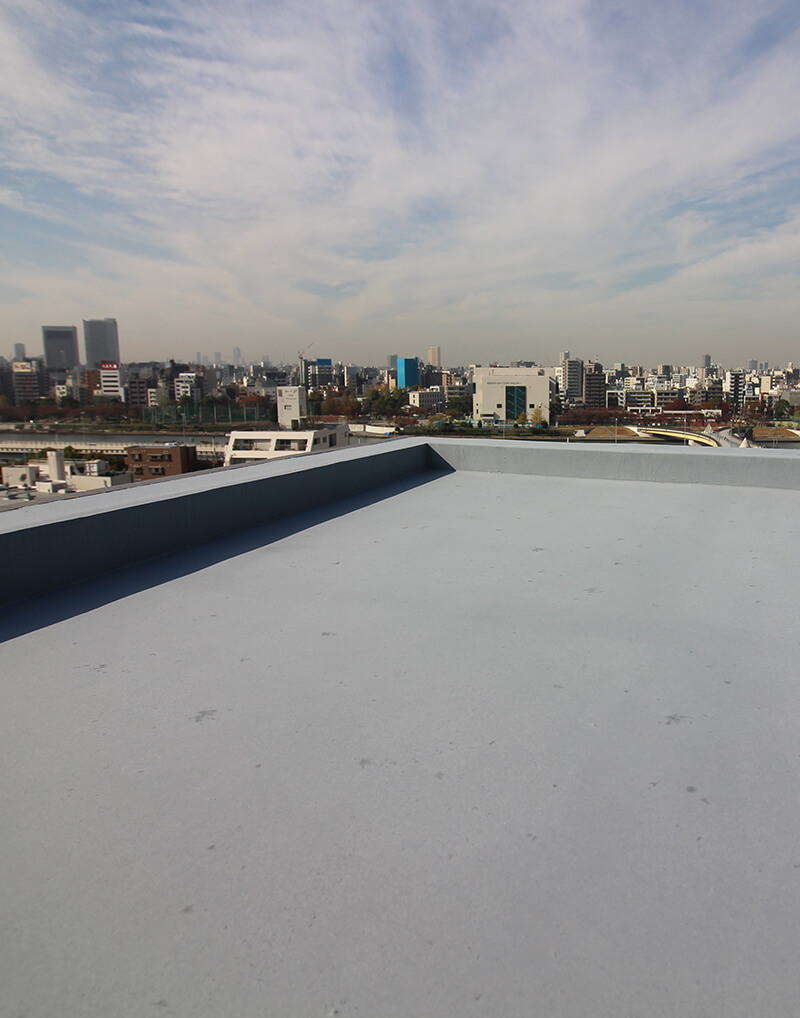
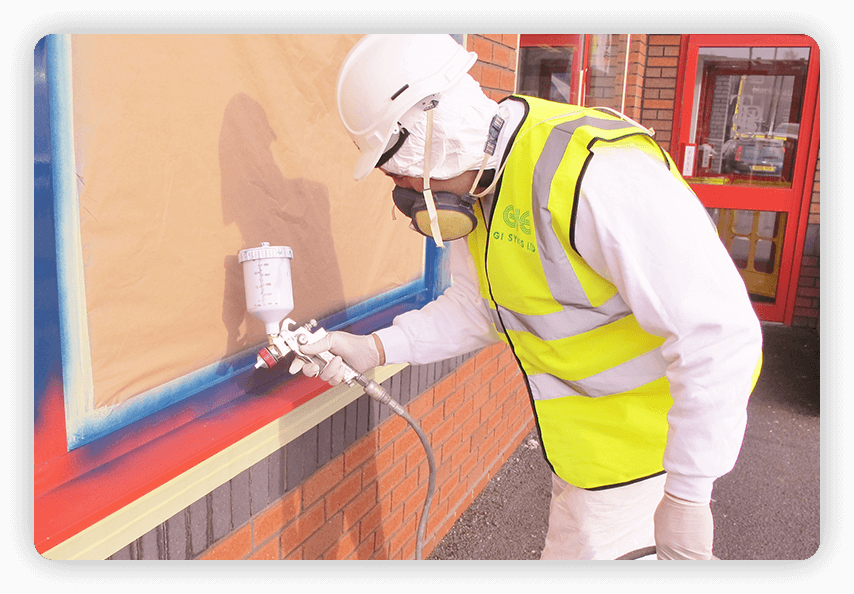
Bubbling paint can make your building look run down, dilapidated or scruffy. When it comes to industrial painting, damaged paint is frustrating, especially when you can’t find the reason for it. 

But when it comes to large commercial buildings, paint bubbling, cracking or peeling is incredibly common. 

Why does this happen – even to high-quality paints?

Blistering and bubbling is something most painters and building owners experience, sadly. But there are a few causes for paint damage, which you can learn here in the hopes of avoiding it altogether.


It Starts With Painting Mistakes

Paint is pretty strange when it comes down to it. It reacts to different temperatures and moisture levels differently. Paint blisters and peels if there’s too much moisture in your air or if it gets too hot. 

If you’re unlucky enough to get both of these together your paint might even start pulling away from the surface and crumbling off.

That’s obviously something you want to avoid, so what situations cause paint to react like this?

Damp and heat are huge contributors to paint damage. Your best option if you’re painting in these conditions is to allow the surface to become dry and cool before you begin painting. Painting onto a hot or damp surface is just going to end in a paint bubble disaster.

The same applies if you’re painting outdoors. Let the paint dry completely before being exposed to heat or damp, or you’ll see cracks appear almost instantly.

Another big mistake to watch out for in industrial painting and residential painting alike is using an alkyd paint over the top of a latex paint. This also ends in peeling, and your only choice will be to remove the paint and start again. 

These are the biggest mistakes that can be at the root of obvious paint damage, but there are plenty of types of paint damage with different causes.

How Is Paint Damage Caused?

The way your paint finishes can be affected by a lot of factors. Usually, damage happens because it wasn’t prevented in the first place.

If you’re seeing bubbling, blistering, peeling, cracking or flaking it’s probably because of the way it was painted. Different issues cause different types of damage.

Here are the types of damage you’re most likely to want an explanation for…

  • Bubbling And Blistering – This happens when the top layer of paint comes away from the layer below or the wall surface itself. Most often you’ll experience this in humid or damp rooms or otherwise on building exteriors. The biggest culprit for bubbling is painting during damp conditions or extreme heat.
  • Flaking – Paint can begin to flake and crumble after long term exposure to UV rays. You’re more likely to see flaking on older buildings or on paint that is very old. 
  • Cracks – For cracks specifically the likely cause is that you either used too many layers of paint or the surface you painted was dirty. This doesn’t allow the paint to solidify properly, making it unstable. 


If you’re having trouble keeping up with all of these varieties of paint damage and how to avoid them, consider getting the help of a professional in industrial painting. But if nothing else, the one thing you can do to prevent paint damage altogether is to be prepared.

How To Stop It

To stop your paint from bubbling or worse, make sure you’re taking the obvious steps to avoid damage. 

If you’re in a rush or trying to DIY your painting, then it might be tempting to skip these things, but do these simple things and you’ll be glad when your surface is bubble-free.

Firstly, prepare your surface! Ensure it’s dry, clean, and not extremely hot or cold. 

Secondly, don’t forget your primer. Apply a coat of this to begin with for a better finish, and use primer to touch up any staining before your main coat of paint.

Lastly, be aware of the elements – if you’re painting an exterior then don’t expose your paint to the elements before it’s fully dried. Follow these basic steps and you’re much less likely to face blistering, flaking, and cracks.


Repairing Paint Damage

Of course, your other option is to repair the damage already appearing in the paint. Ideally, bring in the help of an industrial painting contractor to properly repair your commercial building. 

The process of repairing paint damage of any kind can be quite involved and time-consuming, so having a professional on hand is your best option.

Bubbling paint can be concerning, but ultimately it’s avoidable by ensuring the surface is dry, clean and cool. Avoid mistakes like layering certain paint types and not letting the paint dry before exposing it to harsh conditions. Get the help of a professional in industrial painting to make sure paint damage problems are avoided and prevented properly. 

At GI Sykes we’re the first choice for industrial painting for factories, warehouses and all commercial buildings. With over 100 years of industrial painting experience, we can help with old, marked walls or damaged paint. Get in touch today for a free quote.

Latest Articles

Previous
Next

7 Things to Look For In A Building Contractor

Building Construction 20.12.21
Richard outside

Request a FREE QUOTE

If you’d like to discuss a project you have we’d love to help.

Contact us today for a free no-obligation quote.

Get a quote

Choosing a building contractor can be difficult. We’ve all heard about contractor nightmares on TV or from friends – cautionary tales about bodge jobs done by cowboy builders that leave buildings without a roof for months on end or worse. 

Luckily there are some great building contractors out there and if you know what to look out for then you’ll be able to find someone who’ll get your project completed on time and to a high standard. 

Here’s our top 7 things to look for in a building contractor…


1: A Long, Proven Track Record

A proven track record is a great sign that the building contractor will deliver on their promises. Once you have a building contractor in mind, find out how long they’ve been in business and ask if they can provide testimonials.

By doing this, you can understand their experience in the industry and learn more about the experience their past customers have had working with them. 

2: Transparent Quotes

Your quote should be clear, complete and easy to understand. Always ask for a quote to come in writing (usually by email) and not just be agreed verbally, as this gives you some backup if you need to query anything later on. 

Included in the quote should be:

  • Exactly what will be completed in the project. 
  • Whether materials are included or not.
  • What is NOT included.
  • Fees clearly explained ie. VAT or extras.

Including all of this in the quote protects your interests and prevents any confusion further into the project. A clear, comprehensive quote is also a sign that you’re dealing with a professional contractor. 

3: Insurance

Insurance is a must for any project. But be sure to check that your building contractor has comprehensive insurance that covers the type of work they’re completing for you too. 

The biggest red flag is a contractor without any public liability insurance. Insurances don’t just protect the contractor, they make sure you have a system of redress to follow if things go wrong or accidents happen. Protecting you, your property and even your people.


4: Speedy Response Time

You want to see signs of good customer service from the outset – a speedy response time is a good indicator of how you’ll be treated as a customer.

Does a contractor take weeks to reply to your first emails and calls? This could be due to poor customer service or because they are simply too busy for you or don’t have the organisational skills that you need in a contractor. 

Look for someone that replies quickly to your enquiries, gives full answers to your questions and seems to be happy to help you understand the needs of your project. 

5: Accreditation

Accreditation is a certificate of sorts. It’s proof that your contractor has trained specifically to work to particular standards. But even if you’re not that interested in the specific certifications, accreditation shows that the contractor is serious about what they do and can meet high standards. 

There are lots of accreditations different building contractors may have. The most common ones include:

  • ISO accreditations, like the ISO 9001 and ISO 4001, which ensure quality customer service and environmental management systems respectively
  • CHAS, proof of good health and safety processes

The more accreditations, the better as it means they have trained to these standards. And if you have specific interests, like environmentally friendly building, accreditations can help you select the contractor that fits your requirements perfectly.


6: More Than A One Man Band

Before you make your final decision on a building contractor, think about whether you want to work with a one-man band or a business with a bigger team.

Both options have their bonuses and drawbacks, but if you have an important or commercial project to get started on, an established contractor with a team could be right for you.

A team will have access to more people, more resources and a wider range of expertise. With a bigger team on hand, you’ve also got less chance of long downtimes. 

Imagine if your one-man band contractor fell ill and you had to hit pause on the job for a few months? You’d wish there was a larger team that could come in and continue work.

7: Honest Answers

This might seem obvious, but honest answers help you pick a building contractor you can really trust.

When you ask your contractor a question, you don’t want to hear confusing arguments or feel like they’re holding back advice. Clear communication is key to any project big or small, which is why honesty is so important in a contractor.

The Ideal Building Contractor Is…

Ideally, your chosen building contractor should be able to prove their track record with testimonials and case studies, give clear quotes with fast response times, and show up with accreditations and insurance.

A larger contractor might be better suited to your project if it’s important that you stay on schedule or for commercial projects, but most of all make sure you find a contractor you can trust.

GI Sykes has worked hard for over 55 years to tick all of these boxes so our clients know the job will get done – and it’ll get done right. If you’d like to talk to us to find out if we’re the right contractor for you, just get in touch here. 

Latest Articles

Previous
Next

Flat Roof Repair: 5 Warning Signs You Mustn’t Ignore

Roofing 06.12.21
flat roof repair second

Request a FREE QUOTE

If you’d like to discuss a project you have we’d love to help.

Contact us today for a free no-obligation quote.

Get a quote

Is your flat roof in need of repair? Flat roofing is a cost-effective option, that’s why so many buildings choose flat roofs. You might have heard that flat roofs don’t last very long, but that’s not strictly true. With the right care and attention, you can extend the life of your roof to give you a watertight and long-lasting solution. 

Issues with a flat roof can be due to weather, the age of the roof, and general wear and tear. When it comes to flat roof repair, the most important thing is to spot the early signs of damage before anything more serious and costly happens. 

Already noticed one of these warning signs? 

The next crucial step is deciding whether a complete replacement or a flat roof repair is the better option for you. A specialist contractor can give you the best suggestions either way. 

Most of the time a repair will be more cost-effective than a full replacement (as you might have guessed) and ultimately extends the life of your existing roof. That’s why it’s a good idea to watch out for little things like a small leak. They can snowball into bigger problems if you put off little repairs too long!

Here’s what you need to watch out for… 

1: Water Pooling And Flat Roof Repair

This is one of the biggest problems we come across. Pooling water might not seem like a serious matter if you’re not seeing it seep through the roof, but it can cause big issues if left unresolved. Water pooling causes stress and pressure points, which leads to cracks over time. 

Why does it happen? 

Unfortunately, your flat roof may not be, well, perfectly flat!

If your building has shifted or settled over time then small – or even large – divots can occur in the surface of the roof. These dips naturally gather small amounts of water when it rains. 

Flat roofs are designed to withstand some water gathering, but persistent water pools will cause wear over time if they don’t drain properly. If the pools happen consistently and in the same spot, then your building is more at risk of damage.

Keep an eye out for water pooling that frequently occurs in the same spots or gets worse over time. If you spot something concerning, get your roof checked out by a professional roofing contractor.

2: Flashing

Flashing is a thin sheet of material meant to prevent water from seeping through your roof. It can be tempting to ignore flashing problems because it’s not always easy to see the full extent of them. 

But this is a big mistake.

If left unresolved, these problems can worsen and lead to more serious damage.

Flashing can pull away from the edges of the roof as time passes. This is because flat roofs with asphalt will inevitably expand and contract with heat and moisture changes in the surrounding environment. 

If moisture gets trapped between the layers of the roof, leaks can appear in your ceiling – something no building owner wants to deal with on a Monday morning!

You might think things like small leaks and flashing that’s coming away from the edges can wait a little while. Unfortunately, if you don’t invest in flat roof repair at the earliest sign of flashing issues, you might be forced to replace your flat roof entirely.


3: Top Coat Damage

Topcoat is a solution covering the roof to give a nicer cosmetic finish as well as an important watertight seal. The most obvious sign of top coat damage you can look out for, or listen out for, is a fluttering noise. 

When outside or even sometimes inside your building, listen for a constant fluttering sound. This will be most noticeable during high winds. If you can hear this clearly, it’s likely that your top coating is damaged. 

Visually, you can understand the problem best as the top layer of material coming away from the rest of the roof and literally fluttering in the wind. When it does this, you can imagine the gradual damage this causes as your roof is exposed to the elements.

Don’t let your flat roof fail entirely because of something as simple as top coat damage. If you’ve seen some signs of top coat wear, then get a flat roof repair contractor to assess the situation.

4: Organic Growth 

Organic growth is exactly what you think it is. Sometimes things like moss, algae and lichen can grow on or even start to cover your flat roof. This isn’t a huge problem in itself, but it is a clear sign that your roof needs some help. 

These types of organic growth on your flat roof signifies that there is water either pooling or being retained by the roofing materials. If you leave this plant life to its devices, it can lead to some pretty severe damage. 

If you’ve noticed anything growing on your roof then get a flat roof contractor to inspect it, as something simple like flat roof cleaning could be the easiest solution.


5: Leaks And Moisture

The most obvious sign that your flat roof is in need of repair – cracks and leaks! Like any other roof, flat roofs can be vulnerable to unwanted moisture. With leaks or moisture being absorbed from long term pooling, cracks can appear and eventually worsen.

The biggest problems that come with excess moisture are mould and structural damage, and nobody wants their roof diagnosed with either – they can mean big expenses.

Having your flat roof inspected regularly for signs of leaks and moisture will prevent any mould problems from popping up in the first place. 

If you don’t manage to catch the issues when they first appear, make sure you ask the advice of a trusted flat roof specialist or you could find yourself shelling out for a whole flat roof replacement instead.

The Benefits of Repairing Your Flat Roof

The last thing you want is to fork out for a flat roof replacement when you didn’t need to. That’s why ongoing maintenance and flat roof repair is your most cost-effective and convenient solution. 

Other benefits of repairing your flat roof include: 

  • Longer-lasting roof – You can extend the life of your roof by preventing bigger issues. 
  • Protect your property – Preventing damage to your building and interior. 
  • Greater peace of mind – Knowing that your roof is watertight when the wet winter months come.  
  • Less Hassle – Flat roof repair is usually quick to do and can be done without closing down your building. 
  • Avoid business interruption – Avoid the inconvenience of shutting down your building due to water damage or a full roof replacement. 

If it’s industrial and commercial flat roof repair you’re looking for, GI Sykes is the roofing contractor you can trust. With 55 years in business, GI Sykes is a family run contractor offering reliable service and clear quotes. Don’t leave your cracked, leaking, or compromised flat roof unchecked. Contact us for a free quote here. 

Latest Articles

Previous
Next

Got a Project in mind?

If you’d like to discuss a project you have we’d love to help.

Contact us today for a free no-obligation quote.

Get a quote