
Industrial Cleaning Best Practices for a Safe and Efficient Workplace

Company News 26.03.24

Request a FREE QUOTE

If you’d like to discuss a project you have we’d love to help.

Contact us today for a free no-obligation quote.

Get a quote

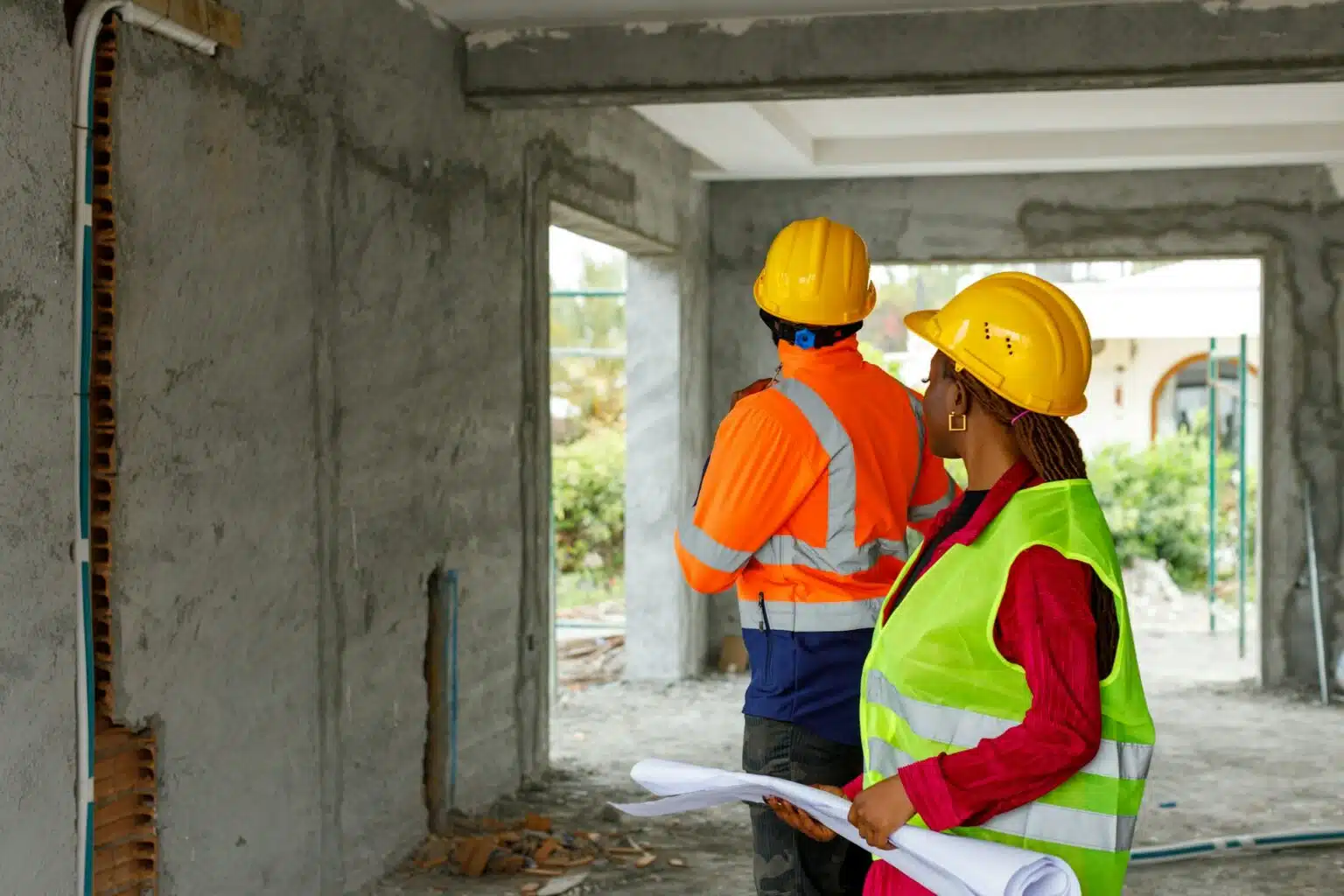
A clean and well-maintained industrial workplace is crucial for ensuring the safety, health, and productivity of your workforce. As commercial and industrial building, painting, and maintenance contractors specialising in on-site spraying, application of protective coatings, and building services, our team at G.I.Sykes possesses the expertise to help you implement industrial cleaning best practices for a secure and efficient work environment.

This comprehensive guide delves into the fundamental aspects of industrial cleaning, including the importance of regular inspections, crucial areas for cleaning, the benefits of professional cleaning services, and the role of training and communication in maintaining a clean workplace. Read on to learn these essential best practices and elevate your workplace safety, hygiene, and efficiency to build a strong foundation for your industrial operations.

The Importance of Regular Inspections and Assessments

Regular inspections and assessments play a crucial role in maintaining a clean and safe industrial workplace, as they help identify areas requiring attention and ensure that cleaning procedures are effective.

  1. Scheduling Inspections: Establish a regular schedule for inspections, and conduct them during times that do not disrupt operations. This process might include daily, weekly, or monthly checklists depending on your facility’s specific needs and the nature of your industry.
  1. Identifying Areas for Improvement: During inspections, identify areas where cleanliness and safety can be improved — addressing areas prone to dust, debris or contamination, and potential hazards or operational inefficiencies.
  1. Evaluating Cleaning Methods: Assess your current cleaning procedures to determine their effectiveness and consider implementing new methods or technologies to enhance industrial cleaning results.

Crucial Areas for Industrial Cleaning

Some areas within an industrial facility require specific attention to maintain a safe and efficient workplace. These critical areas include:

  1. Production Areas: Regular cleaning of production machinery, equipment, and workstation surfaces is essential for preventing contamination, maintaining optimal operating conditions and reducing the risk of breakdowns or malfunctions.
  1. Floors: Industrial floors are exposed to dirt, dust, chemicals and other contaminants that may result in safety hazards or inefficient operations. Proper cleaning and maintenance of flooring materials help minimise accidents and prolong the lifespan of your flooring investments.
  1. Storage and Warehouses: Keeping storage areas and warehouses clean helps prevent contamination, maintain efficient inventory management, and ensure the safety of your employees. Regularly check for damaged or expired items, remove debris, and organise stored goods neatly.
  1. Restrooms and Breakrooms: Regularly cleaning and sanitising restrooms and breakrooms contribute to the overall well-being of the workforce, helping to reduce illnesses and absences.

The Benefits of Professional Industrial Cleaning Services

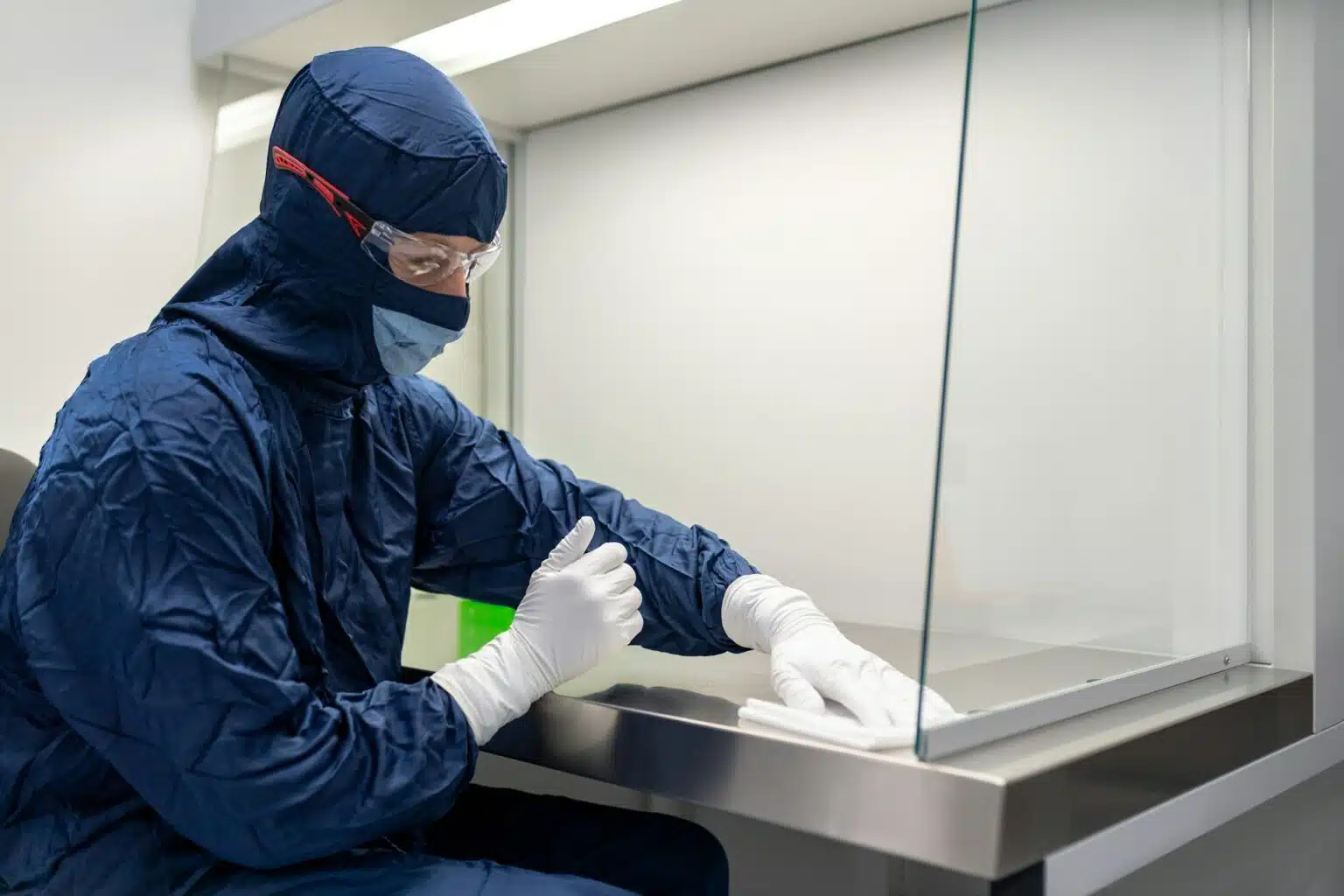
Professional industrial cleaning services provide an unmatched level of expertise and efficiency, making them a preferred choice for maintaining a safe and clean workplace.

  1. Customised Cleaning Solutions: Industrial cleaning professionals can create customised solutions to meet the specific needs of your facility, catering to unique requirements and industry regulations.
  1. Skilled and Trained Technicians: Professional cleaners have the knowledge and experience to handle various cleaning tasks, ensuring that your workplace is maintained to the highest standards.
  1. Access to Advanced Equipment and Technologies: Industrial cleaning services utilise the latest cleaning equipment and technologies, ensuring thorough and efficient cleaning of your facility.
  1. Time and Cost Efficiency: Outsourcing your industrial cleaning needs can save valuable time, allowing your staff to focus on their primary responsibilities. In addition, a professional cleaning service will often be more cost-effective due to their expertise, access to advanced equipment, and economies of scale.

Training and Communication for Maintaining Cleanliness Standards

Training and communication are essential components for reinforcing the importance of cleanliness standards and ensuring that your team plays an active role in maintaining a safe and efficient workplace.

  1. Ongoing Training: Provide regular training for your employees on proper industrial cleaning procedures, safe handling of chemicals, and proper use of equipment. This continuous education helps promote a culture of cleanliness and responsibility.
  1. Communication Channels: Establish clear communication channels to share new cleaning procedures, address concerns, or report safety hazards. Encourage open dialogue between employees and management to maintain a clean and safe environment.
  1. Visual Aids and Signage: Displaying visual aids, such as posters or signs, throughout your facility reinforces the significance of maintaining cleanliness standards and serves as a constant reminder for your staff.

Complying with Industry Regulations and Guidelines

Compliance with industry-specific regulations and guidelines ensures that your business follows best practices and meets legal requirements related to industrial cleaning and workplace safety.

  1. Familiarise Yourself with Regulations: Stay informed about the latest industry regulations and guidelines that pertain to your sector, and ensure that your facility complies with these requirements.
  1. Documentation and Record-Keeping: Maintaining proper documentation and record-keeping related to your facility’s industrial cleaning, inspection and staff training is crucial for demonstrating compliance during audits or inspections.
  1. Hazardous Waste Disposal: Adhere to the correct disposal procedures for hazardous waste materials generated during the cleaning process, as stipulated by local and national regulations, to ensure the safety of your employees and the environment.

By applying these best practices for industrial cleaning, you stand to gain significant benefits in terms of workplace safety, operational efficiency, and regulatory compliance. Regular inspections, targeted cleaning, professional cleaning services, employee training, and compliance with industry guidelines are integral elements for achieving a clean, safe, and efficient industrial work environment.

Ensure a Safe and Efficient Workplace with G.I.Sykes Industrial Cleaning Solutions

Prioritising industrial cleaning best practices is vital for maintaining a safe, healthy, and efficient workplace. Implementing regular inspections, focusing on critical areas, engaging professional cleaning services, and ensuring staff training and compliance with industry regulations are crucial strategies for achieving this goal.

At G.I.Sykes, our team of commercial and industrial building, painting, and maintenance contractors provides tailored solutions to help you uphold the highest standards of industrial cleaning and workplace safety. With our expertise in on-site spraying, application of protective coatings, and comprehensive building services, we can assist you in developing a strategy that meets your industry-specific needs.

Contact our experts today to discuss how G.I.Sykes can enhance your workplace safety and efficiency through our industrial cleaning solutions and services.

Latest Articles

Previous
Next

Adapting Your Business Premises for Changing Market Conditions

Company News 19.03.24

Request a FREE QUOTE

If you’d like to discuss a project you have we’d love to help.

Contact us today for a free no-obligation quote.

Get a quote

In a constantly shifting market landscape, the ability to adapt your business premises is crucial for staying competitive, relevant, and profitable. As commercial and industrial building, painting, and maintenance contractors specialising in on-site spraying, application of protective coatings, and building services, our team at G.I.Sykes can help you master the art of transforming your business premises to meet the demands of an ever-evolving market.

This comprehensive guide outlines various strategies for adapting your business premises to changing market conditions, through timely renovations, utilising flexible layouts, embracing sustainable practices, and investing in technology upgrades.

Timely Renovations and Commercial Refurbishment

One of the most effective ways to adapt to changing market conditions is through periodic renovations and commercial refurbishments of your business premises. These timely interventions will help keep your property modern, attractive and in line with evolving customer needs and expectations.

  1. Updating Interior Design: Regularly updating the interior design of your premises, both in terms of aesthetic appeal and functionality, will not only create a more enjoyable experience for your customers and staff but also reflect your brand’s commitment to progress.
  1. Reconfiguring Spaces: Adapting the layout of your business premises to better serve customers, accommodate new services or products, or promote collaboration amongst employees can significantly impact your overall business performance.
  1. Maintenance and Repairs: Proactively addressing any wear and tear or maintenance issues will ensure the longevity of your premises, while also maintaining a professional appearance that can attract new customers and retain existing ones.

Flexible Layouts and Multi-Functional Spaces

Embracing flexibility in your business premises design allows you to adapt to shifts in market demands with ease, ensuring long-term relevancy and success.

  1. Modular Components: Incorporating modular components, such as modular walls or movable partitions, can create an easily adaptable space that can be reconfigured as needed.
  1. Scalable Solutions: Designing your premises with scalability in mind will enable you to accommodate business growth or downsize operations with minimal disruptions and costs.
  1. Multi-Functional Spaces: Creating spaces capable of serving multiple purposes can improve your premises’ overall efficiency and make your facilities more adaptable to changing business needs. For example, a meeting room can be transformed into a co-working area or a space for special events using flexible furniture and smart storage solutions.

Sustainable Practices and Energy Efficiency

Environmental sustainability and energy efficiency have become increasingly important drivers of market trends across numerous industries. Integrating these practices within your business premises can not only help reduce operating costs but also boost your brand reputation and customer loyalty.

  1. Green Building Materials: Opt for eco-friendly and sustainable building materials during renovation or commercial refurbishment projects, promoting a responsible business image and reducing your premises’ environmental impact.
  1. Energy-Efficient Systems: Incorporating energy-efficient lighting, heating, and cooling systems can help you save on energy costs while also reducing your carbon footprint.
  1. Waste Management: Adopt waste reduction and recycling practices to minimise environmental impact and demonstrate your commitment to responsible business operations.

Technology Upgrades and Smart Infrastructure

Investing in technology upgrades and smart infrastructure can enhance your business premises’ adaptability, efficiency, and productivity while staying in tune with market advancements.

  1. Automation and Connectivity: Integrating automation systems, such as automated lighting or HVAC controls, can lead to increased efficiency in your premises. Additionally, embracing internet connectivity solutions, such as Wi-Fi access points throughout your facility, facilitates seamless communication and collaboration among employees and customers.
  1. Security Systems: Upgrading security systems, including surveillance cameras, access control, and intruder alarms, adds a layer of safety and assurance for both employees and customers alike.
  1. Digital Signage and Display Solutions: Installing modern digital signage and display solutions, such as LED screens or interactive kiosks, can help elevate your brand image and create a more engaging customer experience.

Prioritising Accessibility and Inclusivity

In a diverse and dynamic market, prioritising accessibility and inclusivity in your business premises design ensures that you cater to the broadest possible customer base and maintain compliance with local regulations.

  1. Guidelines and Legislation: Familiarise yourself with the relevant guidelines and legislation, such as the Equality Act 2010, to ensure that your business premises are accessible and inclusive.
  1. Physical Accessibility: Improving physical accessibility within your premises, including wheelchair access, ramps, and accessible restrooms, can contribute to an accommodating and welcoming environment for all visitors and employees.
  1. Visual and Auditory Solutions: Implementing visual and auditory accessibility solutions, such as sign language services, high-contrast signage or hearing loop systems, can help provide a more inclusive experience for all customers.

By undertaking these commercial refurbishment strategies and incorporating flexible layouts, sustainable practices, technology upgrades, and accessibility solutions, your business premises will remain adaptable and resilient amidst changing market conditions. These initiatives not only contribute to long-term business growth but also help strengthen your brand reputation and customer loyalty in an ever-evolving market landscape.

Embrace Adaptability for Business Success with G.I.Sykes

Proactively adapting your business premises to meet changing market conditions is a key strategy for ensuring long-term success and maintaining a competitive advantage. By prioritising timely renovations, commercial refurbishment, flexible layouts, sustainable practices, technology upgrades, and accessibility solutions, your business premises will remain resilient amidst a dynamic market landscape.

At G.I.Sykes, our team of commercial and industrial building, painting, and maintenance contractors specialises in on-site spraying, application of protective coatings, and building services tailored to your specific needs. We are committed to helping you navigate the challenges of market shifts and transforming your business premises to stay ahead of the competition.

Contact our experts today to discuss how we can assist you in adapting your premises for optimal success amidst changing market conditions.

Latest Articles

Previous
Next

Building Regulations in Birmingham: A Comprehensive Guide

Company News 13.03.24

Request a FREE QUOTE

If you’d like to discuss a project you have we’d love to help.

Contact us today for a free no-obligation quote.

Get a quote

Building regulations are an essential aspect of any construction project, as they ensure the safety, energy efficiency, and accessibility of the structures. As experienced commercial and industrial building, painting, and maintenance contractors specialising in on-site spraying, application of protective coatings, and building services, our team at G.I.Sykes is well-prepared to help you navigate these regulations seamlessly, ensuring compliance throughout your project in Birmingham.

This comprehensive guide invites you to explore Birmingham’s specific building regulations, from planning permissions to building control. Understanding these rules will enable you to avoid potential pitfalls and build with confidence. Join us as we delve into the world of building regulations, giving you the guidance and knowledge needed to execute your construction project in Birmingham efficiently and in full compliance with local requirements.

Overview of Building Regulations in Birmingham

Building regulations serve as a set of stringent guidelines that govern the design, construction, and renovation of structures, ensuring the safety, well-being, and comfort of their occupants. Builders in Birmingham are expected to adhere to these rules to guarantee the construction of high-quality, safe, and reliable buildings.

  1. Scope: Birmingham’s Building Regulations cover various aspects of construction, including structural safety, fire safety, energy efficiency, ventilation, electrical and gas installations, drainage, and accessibility.
  1. Local Authority Building Control (LABC): The LABC manages and enforces building regulations within Birmingham and helps builders and property owners understand and comply with the requirements.
  1. Building Regulation Applications: Building regulation applications are required for most construction projects, including new builds, extensions, and significant alterations to existing properties.

Planning Permission vs Building Regulations

Understanding the difference between planning permission and building regulations is crucial for ensuring compliance and avoiding delays or penalties in your construction project.

  1. Purpose: Planning permission focuses on the overall appearance and impacts of proposed development, such as the land use, the visual aspect of the building, and the potential impact on the surrounding environment. Building regulations, on the other hand, focus on the technical aspects of the construction, including safety and structural requirements.
  1. Application Process: Builders in Birmingham typically need to apply for both planning permission and building regulations approval. Applications for planning permission should be submitted to the local council before commencing any work, while building regulation applications can sometimes be submitted simultaneously, depending on the project.
  1. Approval and Inspections: Obtaining planning permission does not guarantee that building regulations are satisfied, and vice versa. Projects must meet both sets of requirements, and the approval process may involve inspections by the LABC during various stages of the construction.

Building Regulation Approval Process in Birmingham

The approval process for building regulations typically involves either submitting a Full Plans Application or a Building Notice Application.

  1. Full Plans Application: The Full Plans Application involves submitting detailed architectural drawings and specifications of your proposed project. These plans are reviewed by the LABC, and if approved, a notice of approval will be issued. The advantage of this option is that potential issues can be detected and resolved before work commences, reducing the risk of delays and extra costs.
  1. Building Notice Application: The Building Notice Application requires less upfront information, focusing instead on periodic inspections by the LABC during construction. While this option provides a faster route for getting started, there is a higher risk that any issues detected during inspections may require remedial work, leading to potential delays.
  1. Timeframes: Following the submission of your application, the LABC typically takes four to six weeks to review and approve or reject a Full Plans application. Building Notices, on the other hand, generally take 48 hours to process, allowing work to begin quicker.

Common Pitfalls to Avoid When Navigating Building Regulations

Addressing common pitfalls during the planning and construction phase can save builders in Birmingham from encountering potential problems later on.

  1. Lack of Knowledge: Not being familiar with the building regulations can lead to non-compliance, resulting in delays or penalties. Ensure that you are aware of the latest regulations and consult with a professional if you are unsure.
  1. Incorrect Submissions: Submitting incomplete or inaccurate information during the application process can result in the rejection of your proposal. Double-check your submissions and seek the assistance of a qualified architect to ensure proper documentation.
  1. Inadequate Communication: Communication is key when dealing with multiple parties involved in a construction project. Establish clear lines of communication between architects, LABC officers, and builders to ensure that everyone is on the same page when it comes to building regulations.

By taking the time to understand, plan, and navigate building regulations in Birmingham carefully, you maximise the chances of a successful and compliant construction project. Being familiar with the differences between planning permissions and building regulations, choosing the appropriate application for your project, being aware of potential pitfalls, and maintaining open lines of communication will lead to a smoother, trouble-free construction process. This ultimately results in a higher quality finished product, reflecting positively on everyone involved in the project.

Navigating Building Regulations with Confidence in Birmingham

Understanding and adhering to building regulations is essential to executing a successful construction project in Birmingham. Having a solid grasp of the building regulation approval process, coupled with knowledge of potential pitfalls and efficient communication, will not only ensure compliance but also contribute to a smoother construction experience. At G.I.Sykes, our dedicated team of commercial and industrial building, painting, and maintenance contractors has the expertise and experience to help you navigate these regulations with confidence.

Unlock the full potential of your construction project by getting in touch with our team at G.I.Sykes today. We offer tailored building services to meet your unique requirements while adhering to all the necessary regulations, helping you build efficiently and confidently in Birmingham. Contact us now to discuss your construction project and ensure full compliance with the building regulations.

Latest Articles

Previous
Next

The Benefits of Professional Industrial Cleaning for Your Business

Company News 07.03.24

Request a FREE QUOTE

If you’d like to discuss a project you have we’d love to help.

Contact us today for a free no-obligation quote.

Get a quote

A clean and well-maintained industrial space is not simply an aesthetic preference but a pivotal factor in contributing to the safety, productivity, and overall success of your business. As commercial and industrial building, painting, and maintenance contractors with specialised skills in on-site spraying, application of protective coatings, and building services, our team appreciates the significance of maintaining a streamlined and efficient working environment.

In this in-depth guide, we will examine the many advantages of professional industrial cleaning services, touching upon aspects such as enhanced workplace safety, increased productivity, improved equipment longevity, and better compliance with health and safety regulations. Join us as we delve into the transformative power of professional industrial cleaning and how it can contribute to the long-term growth and sustainability of your business.

Enhancing Workplace Safety and Reducing Hazards

Prioritising industrial cleaning in your facility is a crucial step in maintaining workplace safety and minimising potential hazards. Professional cleaning services can help mitigate risks, ensuring a clean and safe environment for your employees and visitors.

  1. Reducing Slip and Trip Hazards: Regular industrial cleaning eliminates debris, dust, and spills, significantly reducing the likelihood of slip or trip hazards in your facility.
  1. Minimising Fire Risks: Accumulation of flammable materials such as dust, waste or chemicals can create fire hazards. Timely cleaning and proper waste disposal can help prevent potential fire incidents.
  1. Improving Air Quality: Industrial cleaning services that incorporate professional air filtration systems contribute to better air quality and overall employee health by removing airborne dust and contaminants.

Increasing Productivity and Enhancing Employee Morale

A clean and well-maintained working environment can have a significant impact on your employees, resulting in increased productivity and improved morale.

  1. Encouraging Workflow Efficiency: A clutter-free and organised workspace allows employees to navigate and perform tasks with greater ease, speeding up workflows and improving efficiency.
  1. Boosting Employee Focus: Cleaner and more organised surroundings can reduce distractions, enabling employees to concentrate on their tasks and accomplish them more quickly.
  1. Promoting Employee Well-being: A clean, hygienic and well-maintained working environment fosters a sense of well-being amongst employees, contributing to higher job satisfaction and lower absenteeism.

Prolonging the Life of Equipment and Machinery

Proper industrial cleaning of equipment and machinery can significantly prolong their operational lifespan, resulting in considerable long-term cost savings.

  1. Preventing Dirt Accumulation and Corrosion: Regular cleaning helps prevent the accumulation of dirt, dust, and grime on machinery, reducing the likelihood of component damage or corrosion.
  1. Ensuring Proper Lubrication: Industrial cleaning services often include the inspection and lubrication of machinery components, ensuring smooth operation and preventing premature wear and tear.
  1. Identifying Potential Issues: Professional cleaning technicians are trained to identify potential problems during the cleaning process, allowing for timely maintenance and minimising costly downtime.

Compliance with Health and Safety Regulations

Adhering to health and safety regulations is a legal obligation for businesses. Professional industrial cleaning services can help ensure compliance and avoid potential penalties or fines.

  1. Meeting Industry-Specific Standards: Different industries may have specific cleanliness requirements or guidelines. A professional cleaning service can provide tailored solutions to help your business meet these standards.
  1. Maintaining Hygiene and Sanitation: Regular industrial cleaning ensures that hygiene and sanitation requirements are met, reducing the risk of spreading illnesses or infections.
  1. Preparing for Health and Safety Inspections: A clean and well-maintained facility is more likely to pass health and safety inspections, helping your business avoid potential fines and maintain a strong reputation in your industry.

Improving Your Business’s Image and Reputation

Maintaining a clean and well-presented facility can have a positive impact on the image of your business, influencing client perceptions and employee pride.

  1. Attracting and Retaining Clients: A spotless and orderly industrial environment projects professionalism and attention to detail, leaving a lasting impression on clients and increasing their trust in your company.
  1. Showcasing Dedication to Quality: A well-maintained facility signals to clients and partners that your business values quality in all aspects, including cleanliness and organisation.
  1. Creating a Lasting First Impression: First impressions count. A clean and welcoming environment will provide a positive first impression, influencing the opinions of clients and visitors to your facility.

By investing in professional industrial cleaning services, your business can significantly benefit from improved workplace safety, increased productivity, greater compliance with health and safety regulations, and enhanced business image and reputation. Maintaining a clean and well-organised facility is not only crucial for the day-to-day operations of your business, but it also plays a vital role in creating an environment in which your employees and clients can thrive. Ensuring your industrial facility is clean and well-maintained is an investment in the foundation of your business’s long-term success and growth.

Unlocking Success with Professional Industrial Cleaning Services

Professional industrial cleaning services play a vital role in ensuring the safety, productivity, and overall success of your business. Investing in these services can lead to a safer, more efficient work environment, compliance with health and safety regulations, enhanced equipment longevity, and a positive image for your business. At G.I.Sykes, our expert team is dedicated to delivering comprehensive building, painting, and maintenance services designed to meet your unique needs.

Don’t let a lack of cleanliness or a disorganised workspace hinder your business’s growth. Get in touch with our professionals at G.I.Sykes today to discuss your industrial cleaning requirements, and allow us to help you create an immaculate and well-maintained environment that drives business success and sustainability.

Latest Articles

Previous
Next

Got a Project in mind?

If you’d like to discuss a project you have we’d love to help.

Contact us today for a free no-obligation quote.

Get a quote