5 Ways Commercial Builders Can Save You Money

Building Construction 30.06.22
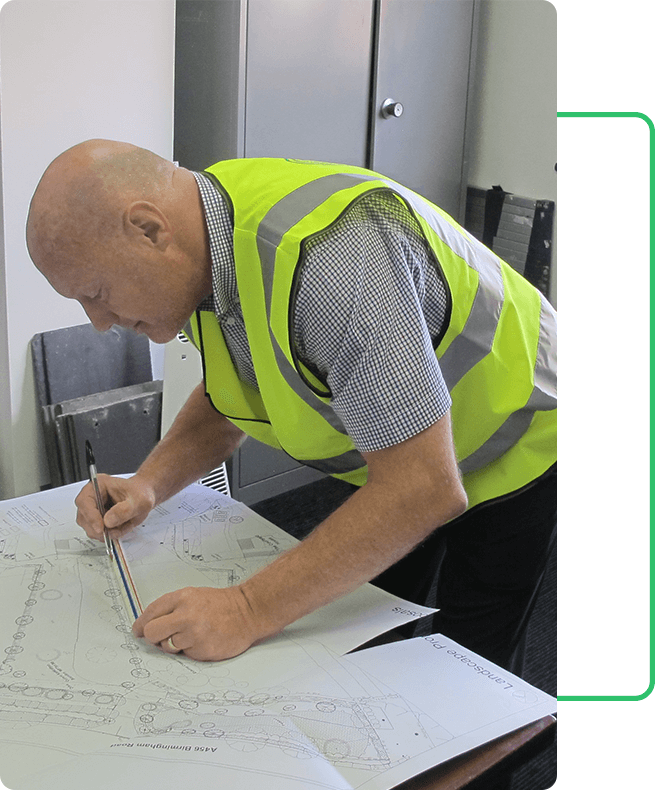
Jase checking drawing

Request a FREE QUOTE

If you’d like to discuss a project you have we’d love to help.

Contact us today for a free no-obligation quote.

Get a quote

When it comes to commercial builders, there’s a lot that can be offered to your building project to help to reduce your costs. And if you’re planning a building renovation or construction, keeping a keen eye on your budget is a significant aspect of your project management.

At GI Sykes, we pride ourselves on our ability to offer our commercial building clients a stellar service that can be relied upon to be as cost-effective as possible. But you don’t just need to take our word for it, we’re going to explain five ways that commercial builders can save you money…

1.We Get Better Rates

Given that we build commercial premises all day, every day it is no surprise that we get better rates on materials than even some of our fellow commercial builders. And with over 58 years in business, we have a robust network of suppliers that allow us to achieve great costs for the materials we use.

The global pandemic, the rising costs of fuel, Brexit, extreme demand and various industrial strikes have led to the cost of materials soaring to an all-time high. And now we have to factor in energy price hikes into the cost of production, it’s not looking likely that that will change anytime soon. A good commercial builder will utilise their supplier network to get the best rates on materials possible, and here’s the important bit, pass that saving on to their client. 

Some commercial builders see the opportunity to increase their revenue by retaining the difference in materials, while others will help to bring down the cost of a project by passing their great rates on.

2. Work Fast. Work Smart

Typically, commercial builders tend to have a larger workforce. We have a huge team of contractors that are directly employed by us (many use sub-contracted staff who don’t always offer consistency in skill and dedication). 

When we take on your commercial build, we have a large pool of experienced and qualified contractors we can select from to work on your project. We match those with the most relevant skills to your project, so we know that it will be expertly handled from the get-go.

Things like ill health, problems with other projects and sub-contractor shortages won’t affect the pace of your project, because we have the resources to deploy alternative team members when necessary. With smaller, non-commercial builders there’s a danger that your project timeframe can overrun due to unexpected issues. This not only delays the opening of your building, which can cause you a loss of earnings, but you may also even still incur charges for the missing days.

Our project timelines aim to be as rapid as possible, with every necessary trade pre-booked to ensure that it runs on time and in budget.


3. Reliable Workmanship

We hold all of our employees to a high standard of workmanship and as a result, we have an outstanding reputation as reliable and quality commercial builders. 

Sadly, within the construction industry there are instances of clients falling prey to so-called ‘rogue traders’. These unscrupulous contractors often cut corners and use sub-par techniques and materials, and often the poor workmanship doesn’t show until months down the line when it can become difficult to get a resolution. We’ve even heard horror stories where entire buildings have needed to be razed to the ground due to shoddy and dangerous construction.

Thankfully, these stories are few and far between, but carrying out a thorough investigation of your proposed commercial builders is always a good idea. At GI Sykes, we’re approved by some of the construction industry’s leading awarding bodies, such as CHAS, SafeContractor and Constructionline, which reassures our clients that not only have we been carefully vetted by different organisations, but that they also have recourse if something goes wrong (not that this has ever happened!).

There’s truth in the adage; ‘pay cheap, buy twice’, so make sure you don’t lose money by investing in a poor choice of commercial builders.


4. Futureproof

All of our work carries a long guarantee – and you can be assured that we’ll always be around to see it through. Another sad fact that has arisen from the recent stresses on the industry is the closure of many construction firms. Some have fallen foul of the hard times created by the turbulent labour market, others due to the financial strain that the pandemic and supply chain issues have put them under. 

Wherever the reason, if your commercial builders go out of business, you lose any assurance that their guarantees are provided. Ultimately that means you may end up footing the bill for any repairs or remedial work on your building that occurs in the future. 

GI Sykes is a generational business that has survived through many turbulent times – our company structure ensures that we’ll be here for another 58 years – at the very least!

5. Project Management 

A standard factor in any of our construction projects is the inclusion of a dedicated project manager. This is an appointed team member who is there to advocate for you throughout your building work. 

From the initial planning to the day-to-day management, through to the signing off, your project manager is there to work on your behalf. As part of our team, they’ll be able to direct and work closely with our commercial builders, but as your representative on-site, they’ll ensure that everything keeps to schedule and help overcome any unexpected events.

This careful management of your construction work helps keep a tight rein on timings and budget, saving you hours of stress and the risk of spiraling costs.


Commercial Builders: A Savvy Investment

So, if you are weighing up the pros and cons of using commercial builders, the above should help you make an informed choice. Using a commercial construction company for your building projects should not only give you peace of mind about the quality of your build, but it should also keep your costs down. 

To talk to us about your prospective building projects, please visit www.gisykes.co.uk and arrange for one of our commercial building experts to contact you.

Latest Articles

Previous
Next

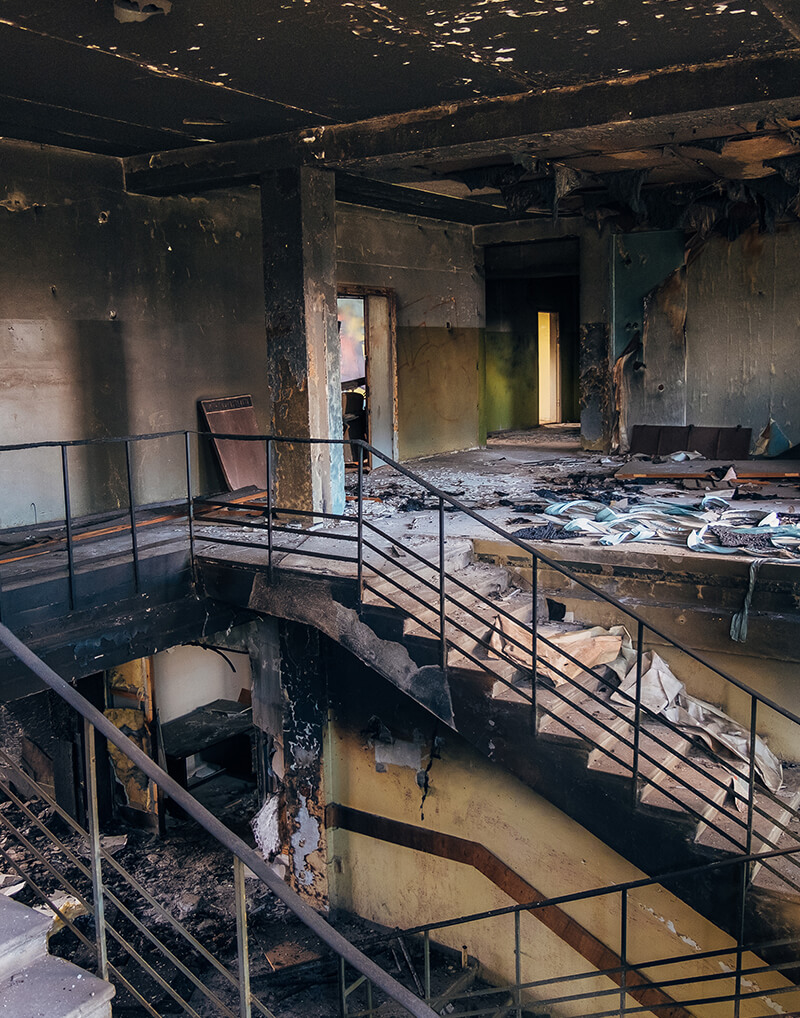
Fire and Flood Restoration: What To Do When Disaster Strikes

Building Repairs 14.06.22
fire flood second

Request a FREE QUOTE

If you’d like to discuss a project you have we’d love to help.

Contact us today for a free no-obligation quote.

Get a quote


Fire and flood restoration is one of our most emotive services. At a time when the worst happens to your building, you want to be surrounded by contractors who know what they are doing to get you back on track. 

Both fire damage and flood damage can have a debilitating effect on your business, preventing you from trading – so getting back up and running is a top priority. 

It’s often the first stages after fire or flood damage that can have the greatest impact on the speediness and ease of your restoration work. Read this blog to find out how you can ensure that you manage the time following a disaster with an efficiency that saves both time and money.

1. The Immediate Aftermath

The hours after discovering that your property has suffered fire or flood damage are crucial. Once your building is safe (it goes without saying that you should NEVER enter a building that is on fire), you need to contact your insurers. 

They’ll want to know the extent of the damage, what property was lost and whether you require alternative premises to work from while the fire and flood restoration works are carried out. Depending on your policy, you may have insurance cover that includes the cost of temporary workspace, but if you don’t you’ll need to think of a solution that enables you to continue working, be that working from home, short-term office rentals or a combination of the two.

Take many, many photos to document the damage, these will help you with your claim. A little forethought goes a long way when it comes to claiming for damaged goods – when you purchase expensive equipment, make sure you photograph the receipt so you always have a digital copy stored safely.

2. The First Steps

You’ll want to get your building back to its former glory quickly – and that’s where our fire and flood restoration services come in. At GI Sykes, our specially trained team of contractors will ensure that whatever damage your property has suffered, the remedial work is handled efficiently and with due care.

When you instruct us to help manage your recovery from flood or fire damage, our work begins immediately. We’ll send out someone to conduct an inspection to see what needs to be done. 

In the case of flooding, time is of the essence as any remaining water in your building will be causing further damage. If left, even for a short time, bacteria in the water can seep into the structure of your building causing long-term issues with things like mould and damp.


3. Getting To Work

Selecting a contractor to manage and oversee your fire and flood restoration project is an important task and one that must be done quickly. Using a reputable contractor that has vast experience in such problems means that you can be assured of a professional and reliable service. 

At GI Sykes, we work alongside your insurance company or loss adjustors to ensure that things are as simple and straightforward as they can be. Thanks to our outstanding reputation in handling stressful and sensitive restoration projects, we have found ourselves one of the go-to contractors for many leading insurance firms. We can assess the level of reconstruction needed in order to supply you with an estimated cost of repair.

Once the site is ready for us to start work, we begin with the process of clearing and salvaging what we can. 

In the cases of flood and water damage, your property may require further drying to ensure that there is no remaining water that can cause problems down the line. For this we use professional equipment to remove all moisture from the floor and walls.

In the case of fire damage, the structure of your building is closely inspected to see whether any walls, flooring or stairs are beyond repair and need to be removed. We also deal with the layers of soot that may be present. Soot is toxic, and if left too long on walls, furniture and floors, it can create secondary damage. Soot is also dangerous to inhale, so this job is really for the specialists.

4. Fast-Paced Work

We know that while your property is out of action, your business is likely suffering. We make every effort to keep your fire and flood restoration moving swiftly. From the initial clear out through to the last coat of paint – you need to know that your building will be habitable as quickly as possible.

This stage of your fire and flood restoration project will take the longest – it’s where your wreck of a building is transformed into a workspace once again. We project manage the whole shebang, so you don’t need to worry about electricians, decorators or carpet fitters – you just concentrate on managing your business the best you can while we take care of thing. 

You won’t be kept in the dark though. It’s important that you are kept updated with developments on site, so your project manager will debrief you regularly.

5. Preventative Action

As part of your fire and flood restoration works, we can build in some preventative measures to reduce the impact should disaster strike again. You might think that lightning doesn’t strike twice, but there have been cases where buildings have suffered a second disaster and been ill-prepared – don’t be one of them!

To protect your building against fire, we treat your walls and steel beams with intumescent coatings and fire protection coatings which increase the burn time of your building. This not only creates a longer evacuation window, it also gives the fire service more time to respond.

To protect against flooding, we can use specialist plaster on your walls, move electrical sockets higher and even install flood proof doors.


Fire And Flood Restoration: Do You Need Us?

If you’re looking for fire and flood restoration contractors, chances are you’re in a pretty stressful situation. Getting a reliable, fast-acting contractor on site and at work is as easy as calling 01384 891 341 or visiting gisykes.co.uk. 

Whether you’re dealing with flooding, fire damage or even criminal damage, we have decades of experience in restoring buildings and getting businesses back in action. 

Latest Articles

Previous
Next

Cut Edge Corrosion: What Is It & Why Ignoring It Will Cost You Money

Roofing 25.05.22
Services4

Request a FREE QUOTE

If you’d like to discuss a project you have we’d love to help.

Contact us today for a free no-obligation quote.

Get a quote


Cut edge corrosion is one of the most prolific cladding problems we see at GI Sykes. It’s not always preventable, but with careful maintenance, your cladding can avoid the costly damage it causes.

But what is cut edge corrosion and what can you do to avoid huge cladding repair bills?

Cut Edge Corrosion: The Facts

Cut edge corrosion refers to the decay that happens to the edges of your metal cladding. Metal cladding is used predominantly on industrial buildings thanks to its durability and clean aesthetic, but over time the edges of the metal sheets can become damaged.

The edges of your cladding are a weak spot, more prone to problems than any other area. The corrosion often starts as a small breakdown of the metal but can quickly escalate into a sizable area – putting your building at risk.

How to Spot Cut Edge Corrosion

Before you dash off to check if your cladding is suffering cut edge corrosion, it’s best to see what you’re looking for. Firstly, you need to identify the edges on your cladding – these are usually easy to spot because they have bolts running alongside them. 

Cut edge corrosion usually starts with peeling paint or coating, so if you’re lucky, this is the stage you’ll discover the issue. However, unless you’re investing in regular maintenance, you are unlikely to find the damage until it’s progressed to rust.

The extent of the rust will determine just how big of a problem you have on your hands. Caught early, the repair is straightforward. But left too late, you may find yourself needing to replace your cladding entirely.

What Causes Cut Edge Corrosion?

Problems with your cladding can happen for a variety of reasons. Some can be prevented while others need to be watched for. The main reasons we see cut edge corrosion in our line of work are; 

Poor Manufacturing Quality

Cut edge corrosion can start right from the beginning of your cladding’s lifespan. Poorly made cladding sheets often have exposed metal edges that quickly begin to deteriorate when put in place. The best tip we have when purchasing new cladding is to buy the best quality you can afford and always inspect the edges to ensure that they are coated.

Weathering

Your cladding is there to protect your property from the damaging effects of the weather, so it’s no real surprise that those effects can create problems with your cladding. 

The weather in the UK is highly varied – there are long months of damp, windy days with freezing temperatures followed by months of bright, (sometimes!) hot sunny days. Although cladding is made to withstand weathering, over time harsh UV rays can cause the coating on your cladding to become brittle and crack, with the edges being worst affected. Frost and rain can then make contact with the unprotected metal where it begins to degrade.

Damage

Bumps, scrapes and collisions can cause your cladding to delaminate, creating weak spots where water can get in. When this happens near the edges of your cladding, the damage can be even more significant as the coating is more likely to split or crack.

Environmental

Where your property is located can have a bearing on the severity of your cut edge corrosion problems. Those in coastal areas will find the salt in the air causes corrosion to occur at a much quicker rate.

Similarly, buildings that are in highly populated areas will suffer the effects of pollution more. The chemicals and exhaust fumes in the air mix with oxygen, and in doing so have a corrosive effect on exposed metal.

Ageing

While careful care of your cladding can help to avoid issues such as cut edge corrosion, they are only avoidable for so long. Ageing metal will wear and degrade over the years, so it is to be expected that some cladding panels will need to be replaced once they reach their limit of damage.

Improper Care

If you ignore your cladding, then the likelihood of cut edge corrosion is much higher. Also using the wrong cleaning products or coatings can create bigger problems, losing you both time and money.

What Are The Risks Of Leaving Cut Edge Corrosion Untreated?

Leaving cut edge corrosion untreated is unadvisable. Aside from making your building look tatty and unkempt, the rust will begin to eat away at your cladding which can leave your internal walls vulnerable. 

Water ingress can wreak havoc inside your property, resulting in damp, mould and serious structural decay.


Treating Cut Edge Corrosion

Thankfully, treating cut edge corrosion is a simple process. At GI Sykes we use the industry’s leading anti-corrosion systems to protect and preserve your cladding. 

Our team of cut edge corrosion specialists will identify areas of concern and create an action plan that is designed to manage all stages of corrosion. While the process is very detailed and thorough, we are always mindful of minimising disruption to your business.

Once your cut edge corrosion treatment is complete, you can be assured that your cladding will be robust enough to withstand weathering and pollution for many years to come.

Avoiding Cut Edge Corrosion


Regular Inspection

As the saying goes, prevention is better than cure. So if you want to avoid cut edge corrosion and the associated problems that arise from it, then you need to have a regular cladding inspection schedule in place. 

This needs to be more in-depth than eye-balling it from the ground, as early cut edge corrosion signs can be slight and easily missed from a distance. Our scheduled property maintenance service allows for careful and close inspection by experts who know what to look for. 

Cladding Cleaning

Keeping your cladding clean can help to prolong the integrity of the coatings. It also increases the opportunity for spotting issues as they manifest, rather than later done the line when they become more troublesome.

Specialist Coatings

We use coatings that have been specifically formulated to prevent cladding deterioration and techniques to restore or repair areas affected by cut edge corrosion. 

By investing in this service, your building will benefit from a much longer lifespan with cladding that looks clean and well-maintained with well-preserved edges.

Problems With Cut Edge Corrosion?

If your property is suffering with cut edge corrosion or you’d like to take preventative measures, get in touch with the team to discuss how GI Sykes can protect, restore and prolong your building’s metal cladding.

Latest Articles

Previous
Next

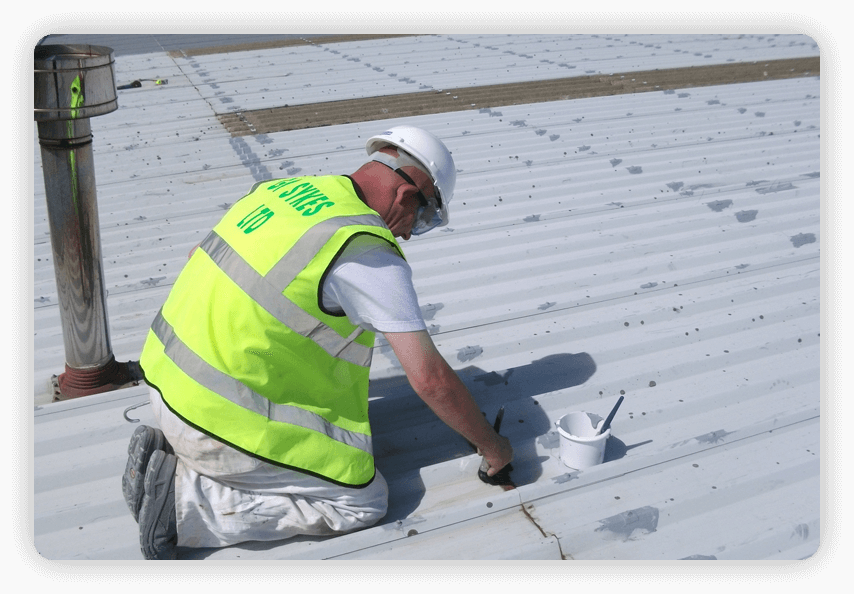
The Benefits (And Downsides) Of Liquid Roofing Systems

Roofing 13.05.22
liquid roof systems

Request a FREE QUOTE

If you’d like to discuss a project you have we’d love to help.

Contact us today for a free no-obligation quote.

Get a quote


We are often asked about liquid roofing systems – our clients want to know if it’s a good option for protecting and repairing their industrial roofs. As highly experienced contractors we like to share our knowledge to help people understand the processes a little more, so they can make an informed decision about their property maintenance. 

So if you have a roof that needs repair, you have a new roof that you want to protect or you’re just curious about the ways you can reduce your ongoing maintenance costs, this blog is for you.

Read on to find out what liquid roofings are, how they can extend your roof’s lifespan for up to 30 years and if there are any downsides to the process…

What Are Liquid Roofing Systems?

Well, the name gives it away a little – liquid roofing is quite literally a liquid substance that is applied to your roof to prolong its lifespan. Liquid roofing use a selection of materials to create a watertight barrier on your roof – different systems have different strengths and weaknesses. 

So, in order for you to know which is the right choice for you, let’s go into more detail.

The use of protective coatings to preserve a surface dates back to ancient times when bitumen was used to line canoes and boats to keep them watertight. This practice continued through the centuries with substances such as tar or pitch used to seal the wooden decks of ships – so the concept of liquid roofing is far from a new one.

But it’s only when you pair the process with the latest developments in waterproofing technology that you see just how far liquid roofing has come.

Nowadays, the substances used to coat your roof have been carefully formulated to handle whatever the weather throws at it – from the coldest frost to the hottest sun.

There are several types of liquid roofing that we can use, depending on the type of roof you have and the problems you’re experiencing.

Polymer Modified Bitumen

As we’ve discovered, bitumen has been used to waterproof vessels for an incredibly long time – and as the saying goes ‘if it ain’t broke, don’t fix it’. Except in this case, it was enhanced. 

For use on your roof, bitumen is modified with polymers to increase its durability and flexibility once dry.

Polyurethane-Based Systems

Polyurethane roofing systems are one of the strongest roof coatings on the market. Its long-lasting durability, coupled with its ability to reflect UV rays makes it a good choice for large roofs that are in direct sunlight.

Polyester-Based Systems

Polyester based roofing systems have the longest life expectancy of all the options, lasting up to 30 years. Some types use fibreglass to reinforce the polyester resin, while others use a polyester fleece (similar to the kind you wear to keep the chill away!) which absorbs the resin to become a uniform and unyielding membrane.

What Are Liquid Roofing Used For?

The primary purpose of liquid roofing is to provide a waterproof coating to your roof. In doing this, your roof is protected against the most damaging weather – rain. 

Any type of liquid roofing system means that any rainwater easily runs off your roof, rather than pooling where it can start to seep through the layers of roofing membrane.In addition to this, at GI Sykes, our liquid roofing systems provide an excellent option for repairing minor cracks, rips and tears.


What Are The Benefits Of Liquid Roofing Systems?

There are plenty of benefits to having a liquid roofing system installed. They key benefits are:

Waterproofing Your Roof

An obvious benefit, we know. A liquid roofing system means that you don’t have to worry about standing water on your roof causing problems.

Your Roof Looks Great

Thanks to its application process, liquid roofing looks neat, smooth and seamless. It helps to give your building a tidy and well-cared for finish.

Seamless Repair

Our roofing systems mean that any cracks or tears to your roof are sealed with a fully bonded waterproof coating. It’s a simple but very effective repair option.

A Roof That Reflects UV Rays

Liquid roofing can reflect UV rays, helping to reduce the temperature within your building. Some roofing systems do this better than others, so if you think you need a cooler environment in the summer, we’d be happy to advise you on the most suitable options.

A Longer Lasting Roof

Liquid roofing adds a protective layer to your roof which helps to extend its lifespan considerably. Not only are you saving thousands in replacement costs, you’re also reducing the environmental impact of adding more waste to landfill.

Less Maintenance For Your Roof

And since your roof is nicely protected, you will find you have less problems with it. Leaks will be a thing of the past, so your roofing maintenance will be much reduced,

Super Fast Installation

Liquid roofing takes very little time to install – some projects take just one day to complete. It’s also non-disruptive so you can carry on about your day while your roof is taken care of.

What Are The Drawbacks?

The list of drawbacks to investing in a liquid roofing system is a one. There aren’t any. 

However, these are the things we think you should consider if you are planning on using a liquid roofing system on your building.

Poor Application Looks Bad

Imagine the Mona Lisa. Carefully placed brushstrokes, all coming together to create a work of art. Now picture a toddler’s painting. Streaks and blobs all over. While cute, it’s not the finesse you want hanging in a gallery (we do love to see them on the fridge though!).

The application of liquid roofing is something that’s best left to the experts – otherwise you might end up with a streaky, blobby mess.

Hazardous When Wet
Due to its waterproof nature, liquid roofing is incredibly slippery when it is wet. The only people who should be on your roof are trained professionals with the right equipment. 

You Need A Reminder

Liquid roofing is so effective, you may forget to book your regular roofing maintenance check. Even though you may not see any problems, it’s still advisable to have routine inspections.

Want To Talk Liquid Roofing Systems?

If you think that a liquid roofing system might be the solution for your roof, we’d love to talk to you in more detail about the options available to you. All you need to do is request a free quote and one of the team will give you a call to arrange a site visit.


Latest Articles

Previous
Next

How To Extend The Lifespan Of Your Industrial Roofing

Roofing 28.04.22
services preview roofing

Request a FREE QUOTE

If you’d like to discuss a project you have we’d love to help.

Contact us today for a free no-obligation quote.

Get a quote

Your industrial roofing probably doesn’t get a second thought in the day-to-day running of your business. It’s easy to take for granted – until disaster strikes. Replacing industrial roofing is no mean feat; it means shutting down your business for the duration of installation, a huge expense in replacement costs, and not to mention the other issues that may arise from re-roofing your building.

And while you can’t avoid replacing your industrial roofing, there are some easy to implement steps you can take to extend its lifespan so you get the most from your investment. Here are our top 5 tips to make your industrial roofing last longer…

Keep It Clean

Your industrial roofing is going to get dirty – it is a roof after all! But the type of dirt and extent of the dirt can impact the lifespan of your roof. 

The dampness of the weather in the UK means that industrial roofing is prone to organic matter growing on it. Roof gardens are a thing of beauty but unintentional ones can wreak havoc on your industrial roofing. Algae, moss and fungi thrive in gutters and sheltered areas of your roof, and with them comes a whole host of problems.

Algae

Algae might be minuscule, but that doesn’t mean the damage it can cause is. Algae is usually harmless, but there are some types that can be harmful to animals and humans. Removing algae build-up is important, but the right safety considerations must be taken. 

Moss

Moss is a common feature on roofs throughout the UK, and in small patches, it doesn’t pose much of a threat. But moss grows very quickly, so small patches don’t stay small for long. Some varieties of moss can hold up to 30 times their weight in water and it’s that additional weight that carries the most danger for your industrial roofing. After every rainy day, your roof is being put under enormous strain – plus pieces of moss get washed into your guttering, causing blockages in your pipework. Keeping your roof free from moss should be a priority. 


Mould

Mould LOVES damp, dark spaces and your industrial roofing offers lots of ideal places to grow. The trouble is, mould can seep through damaged roofing and into the structure of your roof, causing much bigger problems. Black mould is toxic, and cleaning it requires specialist knowledge and equipment, so if you suspect your industrial roofing has black mould always call for expert help. 


Dare To DIY?

You might think that giving your industrial roofing a once over with a pesticide and a bit of hot soapy water will do the trick, but the truth is, roofs are difficult to clean. Quite aside from the fact that you need insurance to work at height, using the wrong chemicals can create more problems in the future. 

It’s best to leave roof cleaning to the professionals – that way you know that your industrial roofing is going to be completely free of organic matter, treated with the appropriate biocides and carried out by highly-trained professionals. 

Inspect Your Roof

Once you have a clean and clear roof, you will need to inspect it for problems. This can be really obvious splits and tears to the roofing membrane or it might be more subtle, less obvious damage. Knowing what to look for is key – a cursory glance from the ground now and again may mean that you miss a significant issue. 

To really spot issues early, you need to be up close and personal with your industrial roofing – which means getting up there. These are the most common industrial roofing problems that we come across; 

Missing Or Damaged Flashing

Flashing is the thin, waterproof material that is applied to your industrial roofing to protect joints from water ingress. All roofs have flashing – it’s an essential element that needs to be well cared for. Flashing can become damaged through age and weathering – and if you have lead flashing on your building, there have been cases where this has been stolen (it has a high scrap value). 

Split Or Blistered Roof Surface

Your roof is (obviously) exposed to all weathers, from the hottest midday sun to the coldest midnight frost. These changes can have an effect on your industrial roofing. You’ll see things like; 

  • Blistering (pockets of air between the roof and the membrane) 
  • Alligatoring (small cracks and peeling)
  • Rips and splits 

Pooling Water

Puddles of water on your industrial roof aren’t a red flag unless they don’t drain away after a few hours. Prolonged standing water is a sign that something is wrong with the levels of your roof, and the water can cause some serious damage, if left.

Maintenance 

Following your inspection, you might find yourself in need of roof maintenance. Even if you think your roof looks fine, having a regular maintenance schedule is highly recommended to ensure that there’s no concealed damage or issues that might develop further down the line. 

Roof maintenance is damage control – it allows you to limit the impact of problems so you can avoid more costly repairs or in the worst case, total replacement.

Protective Coatings

Like laminating an important document, adding a protective coating to your roof just helps to keep it good condition for longer. 

Things like minor corrosion can be halted with the application of a specialist coating, meaning that you won’t have to fork out for repairs for a while. At GI Sykes, we use the most advanced coatings on the market so that our clients benefit from the latest developments. 

These coatings will work hand in hand with your roof cleaning as they make it quicker and easier to remove organic matter, bird mess and dirt.


Invest In Quality

Our final tip for prolonging your industrial roof is this: don’t scrimp. From products to clean, to the materials used for repair, always go for the best quality. You might feel the pinch in the outlay, but when your roof requires fewer repairs, your cleaning takes less time and your roof looks as good as new years down the line, you’ll see the investment was worth it. 

If your industrial roofing needs a little TLC, we’d be happy to provide a quote for cleaning, maintenance or roof coatings. If you don’t know which service is best suited for your roof, give the team a call and they can help you identify the best course of action.

Latest Articles

Previous
Next

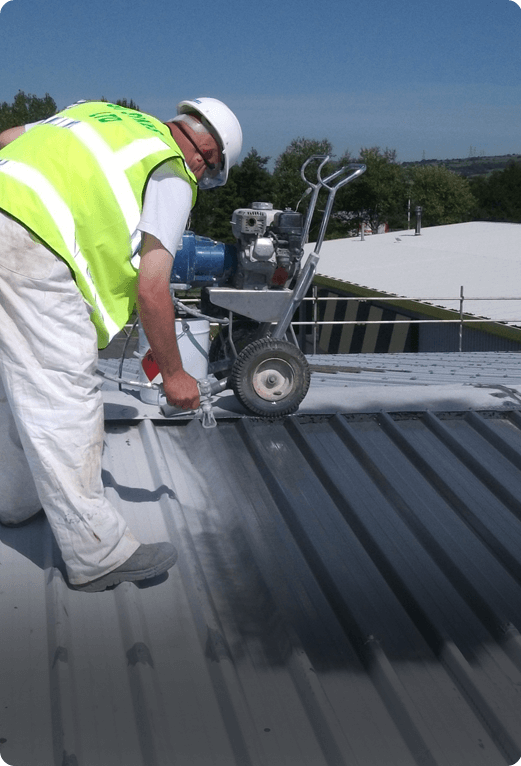
Are Tor Coatings Worth The Cost?

Spraying Services 20.04.22
commercial spraying done

Request a FREE QUOTE

If you’d like to discuss a project you have we’d love to help.

Contact us today for a free no-obligation quote.

Get a quote


Tor Coatings has long been the gold standard in commercial-grade coatings, providing the most effective and reputable coatings in the industry since 1975. But are Tor Coatings worth the investment? That’s exactly what we’re going to discuss in this blog…

Who Are Tor Coatings?

Tor Coatings was created in response to a gap in the market for a forward-thinking company that was focused on innovation and development. Bringing together decades of experience, the founders used their expertise to formulate coatings that would revolutionise the market.

At GI Sykes, we strive to deliver the most durable and long-lasting solutions to our clients, which is why we chose to use the industry’s foremost materials and products. And as Tor Coatings have a catalogue of awards under their belt, becoming an approved Tor Coatings specialist seemed a logical and intelligent choice for us to make.

What Makes Tor Coatings So Good?

You’re probably wondering why Tor Coatings has such an outstanding reputation. Well, we think it’s all in the innovation. Tor Coatings has invested a whopping £17.4 million in their facilities and employ some of the best chemists in the sector – this results in ground-breaking formulas that are backed up with solid support from manufacturers and distributors. 

And why does that matter to you, the end-user? Well, when we use Tor Coatings products for your property, you can be assured of the cutting-edge protection it provides, the speed of application (which means a quicker turnaround on your project) and no delays with material supply since all Tor Coatings products are made here in the UK.

What Are The Tor Coatings Brands?

Roofing

Your flat roof needs to have robust protection from weathering and age-related damage and a roof coating provides that. This added layer means that you can prolong the lifespan of your building’s roof, making a vast saving on replacement costs. 

At GI Sykes, we have a specialist team of roof coating experts who deal with all types of roofs, day in and day out. So when they spot a product that they think will make a significant difference to our clients, we listen. 

That’s why we recommend that our clients use Tor Coating’s Elastaseal Z. Its ingenious technology makes it one of the most effective roof coating products available. The ‘Z’ stands for zero odour, zero leaks and zero disruption – basically, all the downside to many traditional roof coatings have been eliminated!

Your roof will be fully waterproof, with no fumes – ideal for public buildings and buildings in built-up areas. And not to mention the thermal benefits – something you can’t underestimate as energy prices climb ever higher.


Fire Protection

If you own or manage a commercial building, it’s your responsibility to ensure that there is adequate fire protection to the walls and ceilings. This simple step has saved countless lives, which is why it’s an aspect of our services that we take very seriously. 

When it comes to the safety of our clients and their staff or tenants, there’s no compromise. We will only ever provide the most effective and resilient results, which is why we use Tor Coatings for our fire protection coatings. 

For new, stripped or bare walls and ceilings, Tor Coatings have created Torlife. This coating achieves a class 0 fire rating when applied to bare walls. It is also incredibly effective as an anti-graffiti coating, so if you have areas that suffer from repeated graffiti attacks, Torlife gives you a double-whammy of protection. 

For maximum fire protection, the Torrex range is our go-to. Tor Coatings are Certifire recognised, a third party accreditation for fire performance. This coating delays the burn time and spread of flames in a fire, allowing more time for safe evacuation. 

Using these Tor Coatings products, GI Sykes can upgrade your building’s fire protection quickly, with minimal disturbance but with maximum results.

Flooring

Nothing in your building is going to undergo tougher daily use than the floor. If you have high traffic walkways, balconies or external landings, you’ll notice how quickly they can become worn and damaged. 

As the floor wears, it can become smooth and slippery, which poses a real risk of slips and falls. You could spend hours trying to make the area safe using various untested methods…or you could ask us to use Tor Coatings Elastadeck to restore and protect your floor. 

Elastadeck not only makes your floor anti-slip, but it also completely waterproofs the area – ideal for spaces that are outside and exposed to the elements. 

Now, for protection of your internal floors, Tor Coatings has one of the most innovative solutions. Tortread. Tortread is a slip-resistant resin flooring system that has been developed to allow us the deliver incredibly fast installation – without impacting the longevity and quality of your floor protection. The Tortread range is vast, and enables us to make a recommendation that’s tailored to the needs of your floor.

Tortread is easily the most comprehensive flooring coating solution, which is why we find it so popular with our clients.


Tor Coatings vs Other Products

So, are Tor Coatings worth the cost? It’s a resounding yes from us. 

We see the aftermath of shortcuts and cheap materials, and trust us, the saying ‘buy cheap, buy twice’ has never been more true. It pays to use real quality, and with the guarantees that Tor Coatings provide, you’re not just buying robust floor, roof or wall coatings now – you’re buying coatings that will see you through the next decade and beyond.

That’s not to say there aren’t other brilliant products on the market, we have a full and extensive product catalogue, but we know that when a client chooses a Tor Coatings product, they’re making a worthwhile investment. 

Got a Roof, Floor Or Wall That Needs Coating?

If you are wondering if Tor Coatings are the best solution for your commercial property, then give us a call or drop us a message. We’re happy to advise you on the ideal products, Tor Coatings or otherwise, that will deliver an outstanding result.

Latest Articles

Previous
Next

Is Commercial Roof Repair Worth It?

Roofing 30.03.22
Commercial Roof Repair 7

Request a FREE QUOTE

If you’d like to discuss a project you have we’d love to help.

Contact us today for a free no-obligation quote.

Get a quote


Is commercial roof repair worth the investment? It’s one of the most frequently asked questions to our specialist roofing team. Their answer? A simple yes. 

But you probably want to know a little more… 

Like what does commercial roof repair include? What can it fix? And what can it prevent? 

You’ll likely also want to know if commercial roof repair is better than roof replacement?

So we’ve put together a guide to help you learn all you need to know about commercial roof repair…

What Is Commercial Roof Repair?

Commercial roof repair is the maintenance carried out to either prevent roof damage or take remedial action when damage has occurred. 

At GI Sykes, we specialise in commercial roof repair of all types of roofs. These mainly fall into three categories; flat roof, low-pitched roof or pitched roof. 

Each of these has specific aspects that need to be taken into account when considering a repair. A flat roof requires weatherproofing with membrane or felt, particularly as the most commonly reported issue is with pooling water. 

Both the low-pitched roof and the pitched roof have two sides sloping down from an apex (the top point of the roof). Pitched roofs tend to be more durable, offer more space inside a building and are thought to be more attractive but can be much harder to access for maintenance.

What Damage Can Commercial Roof Repair Fix?

Our commercial roof repair service is comprehensive – there are very few roofing problems that we can’t fix. But what are the most common roofing issues that we come across?

Flat Roof Problems

  1. Flaking, torn roof coating. This problem, sometimes called ‘alligatoring’ because of its reptile skin appearance, is pretty unavoidable. The asphalt or bitumen that’s used to waterproof your flat roof is affected by sun exposure, standing water and debris. Left to degrade, this can result in cracks and tears in your flat roof coating which lets water into the roof itself – meaning a bigger repair bill in the long run. 
  2. Ponding water. A flat roof isn’t actually totally flat. It has a ‘fall’ on it, which helps water to run off. However, over time, your flat roof can develop dips where water pools – this is known as ponding. If water collects on your flat roof and remains there for a while (this happens most frequently during the autumn and winter months), it can start to stress the membrane, causing it to fail. 
  3. Blistering. If your roof manages to avoid the pitfalls of the UK weather in winter, it might not be so lucky in summer. A black roof in hot, direct sun can end up with blisters – little pockets of air – as trapped air and moisture expand. This causes the membrane to stretch, which not only means you have areas of weakened membrane, you also have spots where water can collect – and after summer comes the rain!
  4. Movement. Buildings can have subtle movement in them, especially new buildings. While the effects of settling are generally fairly minor, they can make your flat roof membrane buckle. 
  5. Weathering. Ok, so your weatherproof coating IS weatherproof, but that doesn’t mean that over the years the temperature changes won’t have an effect. The continual expansion and contracting of the roof can start to cause minor failures.


Low-Pitched Roof Problems

  1. Runoff problems. A lower slope means that water runoff can be an issue. The lower the pitch, the more likely it is that you’ll see issues caused by pooling water. 
  2. Snow settles. Snow, although infrequent in the UK, is a huge problem for low-pitched roofs. It doesn’t clear well, and the added weight can cause failures in the roof covering.
  3. Exposure. Low-pitched roofs are commonly found on warehouses, industrial units and large superstores. These roofs are huge, and in storms and high winds are at most risk of wind damage.


Pitched Roof Problems

  1. Water damage. While pitched roofs have better water management, they can still suffer from water problems. Areas that get clogged with leaves or debris can allow pools to form. 
  2. Loose tiles or slate. Whatever you have on your roof, it can come loose, and when it does, there’s a high risk of water making its way into the inside of your building. Loose tiles also provide access to your roof for birds to nest. 
  3. Clogged guttering. Thanks to the high pitch of your roof, water runoff is well managed – however, this can put more strain on your gutters. These are likely to catch all manner of debris, blocking them up. You’ll need a good gutter maintenance schedule to keep on top of it (we have an excellent gutter cleaning service – you can see more here)
  4. Moss and algae build up. Roofs are ripe for organic matter to thrive – moss, algae and fungi all grow well in the conditions found up there. But this means bad things for your roof – the added weight in wet weather puts your roof under strain, not to mention the fact that it can look very unappealing.


How Can Commercial Roof Repair Help?

Commercial roof repair should be part of your building maintenance plans. Whatever type of roof your property has, it’s likely to need remedial work at some stage, and catching it early can mean the difference between repair and replacement. 

Our commercial roof repair service means that every aspect of your roof is inspected by our highly-trained contractors. These experts know what to look for when assessing your roof, so you know that once your commercial roof repair is complete, your roof will be in excellent condition.

Our team of reliable, qualified and skilled contractors can carry out every aspect of commercial roof repair, including;

  • Recoating
  • Refelting
  • Patching
  • Replacing Tiles
  • Roof cleaning 


Commercial Roof Repair vs Roof Replacement

If your roof is very old, then it will start to require more frequent repairs. At this stage, you’ll need to weigh up the cost of continued remedial works vs the cost of a new roof. As a rule of thumb, if the cost of repair is 50% of the cost of replacement, it might be time to bite the bullet. 

Our team are honest and dedicated to providing you with the most effective service, so you can trust them to make a truthful assessment of your roof. 

Want To Talk Commercial Roof Repair?

So whether you’re looking for planned commercial roof repair or you have an emergency issue, we’d be happy to help. The first step is to get in touch to arrange for a site visit, here we can assess the scale of the commercial roof repair needed and provide you with an accurate quote. We look forward to hearing from you!

Latest Articles

Previous
Next

5 Reasons Industrial Cleaning Is A Must For Your Property

Industrial Cleaning 14.03.22
cladding-cleaning

Request a FREE QUOTE

If you’d like to discuss a project you have we’d love to help.

Contact us today for a free no-obligation quote.

Get a quote


Industrial cleaning offers far more than just gleaming results for your property. If you’re wondering if industrial cleaning is a worthwhile investment for your building, then this blog is for you. Read on to find out 5 reasons why we think industrial cleaning is an essential servicefor any commercial or residential property owner…

It Really Cleans

Ok, we’re going to start with the obvious. Industrial cleaning means exceptional cleaning. You might be able to set to work on your cladding or guttering with a squeegee and bucket – but the end result won’t be in the same league as a team of pros. 

Industrial cleaning removes not only surface level dirt, grit and algae but also more ingrained grime. 

At G I Sykes, everything we use for industrial cleaning is of professional standard – from the equipment to the products. These things aren’t available to buy outside of the trade, so you really do get the gold standard.

If your commercial property is looking dirty and unkempt, then industrial cleaning might be all it needs to be restored to gleaming condition. 

Industrial Cleaning Protects

Regular industrial cleaning for your roof, cladding or guttering means that your property receives a quality inspection for damage and potential issues. While we clean your building, we’re also checking for weak spots, disrepair or corrosion so these things can be taken care of quickly. 

If left, small problems too often become big ones which can not only be costly to resolve, but also carry the risk of downtime for your business. That’s why scheduled cleaning and maintenance is so important. These are just some of the issues our industrial cleaning service can prevent; 


Moss, Lichen, Algae And Fungi Growth

Thanks to the damp climate in the UK, most buildings will have some kind of organic matter growing on their roofs, cladding or in their gutters. While most of these plants are harmless initially, over time they can create significant problems. The roots can work their way into crevices, widening them and making larger cracks. 

Plantlife also absorbs water, much like a sponge. If you have a carpet of moss on your roof, then you can expect that it’ll be adding a lot of weight on wet days. As well as the water logging issue, this kind of growth attracts bugs and beetles – and while the little critters don’t cause too much trouble, they act like a buffet for birds. Birds will feast on the wildlife residing in your gutters, on your roof and on your cladding, adding their own signature to your property. Which brings us to…


Bird Poo Damage

There’s no dainty way to put it. Where there are birds, there’s going to be splatters of bird droppings. Bird poo not only looks terrible on your building’s exterior, it can cause damage to your coatings too. 

Bird poo is acidic, which means it can burn through any paint or coating you have on your cladding. This creates dull, faded spots on your cladding which are more vulnerable to damage. Industrial cleaning helps to keep bird poo at bay.

Corrosion From Chemicals

Car exhaust and industrial plant fumes consist of chemicals that can settle on your roof and cladding. If your property is near a busy road or on an industrial estate, chances are that you’ll have a bigger problem with airborne particles. 

This mix of chemicals looks unsightly, blackening your cladding and roof and poses an environmental issue for wildlife (we might not like birds leaving ‘gifts’ on buildings, but we don’t want to poison them!)


Increases Lifespan

It should be no surprise that with all the protection that industrial cleaning does against wayward plantlife and acidic poop, it actually prolongs the lifespan of your roof, cladding and guttering. 

As with anything, if you give it a little TLC, you can expect it to work better for longer. A roof that is kept free from build up, guttering that is cleared of debris and cladding that is unhampered by grime will require less maintenance. The longevity of your roof, guttering and cladding is directly impacted.

Saves Money

And since your clean roof and cladding and clear gutter require less maintenance and repair – you’re actually saving money. We’re not suggesting that cleaning your roof will mean you avoid any need for repairs – that’s wishful thinking – but it will almost certainly reduce the frequency and severity of remedial work. 

Industrial cleaning first reduces some of the issues that lead to damage and problems. And secondly, regular cleaning means that every inch of your roof, cladding or guttering is being looked at. You will be alerted to potential problems at a point where they can be more easily managed. 

Looks Smart

The last point is all about appearances. When you have a business, your customers will make judgments about your company based on many things; your website, your customer service, your reviews – and your premises. 

Imagine going to a fancy restaurant for dinner. You’ve read fantastic reviews. The website looks legit. But you turn up and the signage is badly faded, the exterior is covered in dirt and the roof looks like it has a leak. You’d be a bit put off, because if they don’t take care of the outside of the building, what else might be amiss?

A clean, tidy property exterior says a lot about what happens inside. Whether you run a business within the walls or you rent to other people that do, a building that looks well-cared for will make an impression on clients and passers-by (otherwise known as potential clients). 


Ready For Industrial Cleaning?

So, if you would like to reduce the likelihood of damage, increase your business’ profile and save money, then industrial cleaning for your roof, cladding or guttering is probably a good idea. 

At GI Sykes, we offer ongoing industrial cleaning schedules as well as one-off cleans. Whatever your building needs, we have the most competent, experienced contractors on hand to ensure that your property is well maintained and cared for. 

To find out about our industrial cleaning services such as roof cleaning, gutter cleaning and cladding cleaning, please get in touch.


Latest Articles

Previous
Next

Got a Project in mind?

If you’d like to discuss a project you have we’d love to help.

Contact us today for a free no-obligation quote.

Get a quote