Dilapidations and Repairs: 5 Ways You Can Increase Your Property’s Value

Building Repairs 14.05.24

Request a FREE QUOTE

If you’d like to discuss a project you have we’d love to help.

Contact us today for a free no-obligation quote.

Get a quote

Dealing with repairs and dilapidations is part of owning and renting out a property, but that doesn’t stop even the best landlords and property owners from wanting to leave them as long as possible, putting off the cost of repairs until it really has to be done – often thinking they’re saving money.

However, short-term savings can become a greater long-term cost.

Dilapidations affect your property, and regular repairs can not only keep costs down but also increase your property value. Read on to discover five ways repairs can increase property value!

The Cost of Disrepair

Letting your property slip into disrepair is hardly cost-effective. You might feel that doing all the repairs at once is the most sensible option – perhaps when your current tenants have left, and you can cover a lot of the cost under dilapidations – but that is far from the case. Untended issues have a horrible tendency to grow and become a bigger problem.

Imagine, for example, a small roof leak. A survey and maintenance schedule could mean it’s taken care of in the general run of things, costing a few hundred to ensure the roof is in great order throughout the year. But leave it alone and it can grow, causing water damage to the underlying structure and even potentially meaning a second of the roof collapses. Now you’re talking thousands, and maybe tens of thousands.

It’s not just about the direct costs, either. Tenants want to live or work in a building that’s in good repair and will become dissatisfied if little fixes go undone for long periods. It’ll increase the chance of a tenant dispute and could mean they leave altogether, leaving you with the loss of good tenants, an empty building for a while, and the cost and effort of securing new tenants.

Plus, those new tenants will want the repairs done, too!

There are also safety and legal ramifications. The last thing you want is for someone to be hurt because of an accident that could have been avoided.

The best thing is to keep on top of the repairs. Regular maintenance reduces the risk and keeps the overall costs of repair significantly lower.

That’s all very good, of course, but what about how repairs can actually increase your property value? What are these five ways?

1 – Enhanced Curb Appeal

Everyone judges based on looks, even if they protest otherwise! If you’re looking to give your property the best possible chance of getting tenants, then you need the outside to shine.

A clean, well-managed exterior provides a positive impression, and it’s easier to maintain and keep up the good looks.

GI Sykes dilapidations and repairs cover:

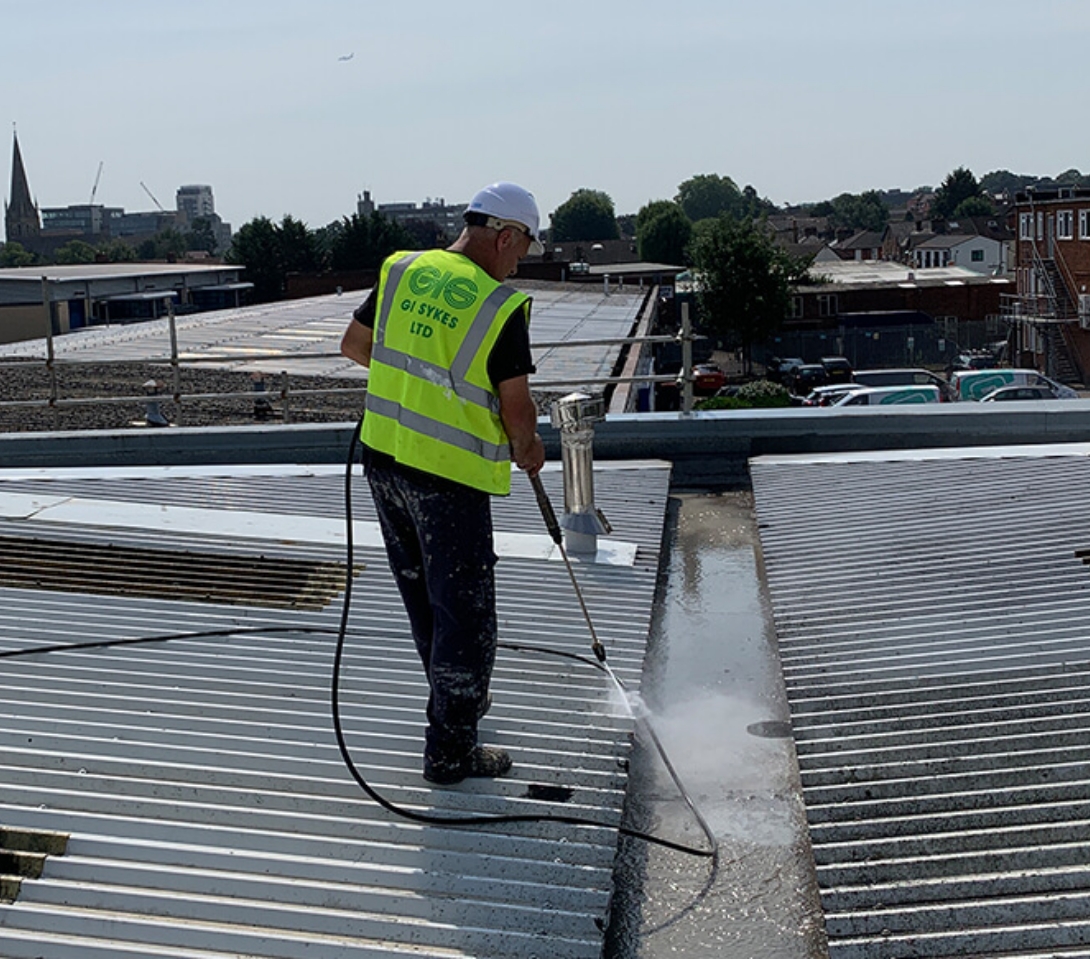
  • Cladding – Sprucing up the cladding on the outside of your building makes such a huge difference. Our cleaning or respraying solutions will make it gleam as good as new – plus, if you’ve been looking to change the colour scheme, you can do both at once.
  • Window Frames – It’s amazing how the mind works. If your visitors see grimy or damaged window frames, it seeps into their perceptions and sticks as a bad impression. Our team will clean, repair, and respray your window frames as needed.
  • Hardscaping – Car parks, external loading areas, paved sections; getting the hardscaping up to scratch properly requires professional workmanship. We can help you make it all perfect again, with no cracked paving, no holes, and no cracks for unsightly weeds to make their home.
  • Painting and Spraying – External walls benefit from weatherproofing and improved longevity, as well as a new visual lease of life when they’re expertly painted. Get rid of anything unsightly and give your walls a fresh coat.
commercial painting 2

2 – Improved Functionality and Safety

No one wants to rent or buy an unsafe space, and honestly, no one should want to try to rent one out or sell one! Not only do you want to make sure your repairs ensure the building is completely safe for use, but why not go the extra mile and make improvements that’ll set you apart and add value and enticement – such as high-spec security, for example.

No one is renting or buying an unsafe space, so these repairs need to be high on your list. But this gives you the chance to make improvements that set you apart – high-spec security, for example. It’s a simple way to add value to a building.

The GI Sykes team can help with:

  • Electrical Rewiring – It can be surprising how quickly electrical wiring needs repairs or replacement, and it’s equally surprising how little it’s sometimes checked! Make sure it’s all up to standards, and maybe add a few points in places that have been left powerless for too long.
  • Levelling Flooring – Poor flooring can be hazardous, but years of wear and tear are not unusual and can lead to unexpected problems. A survey and subsequent repair will make the floor safe and level throughout the building.
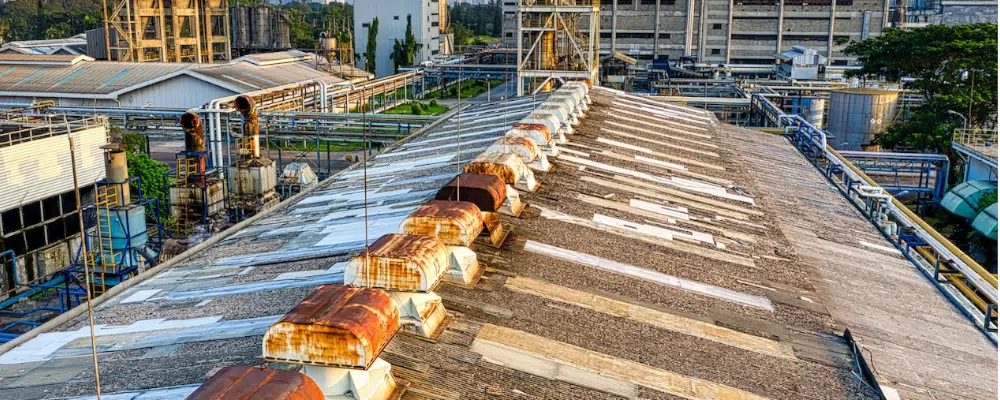
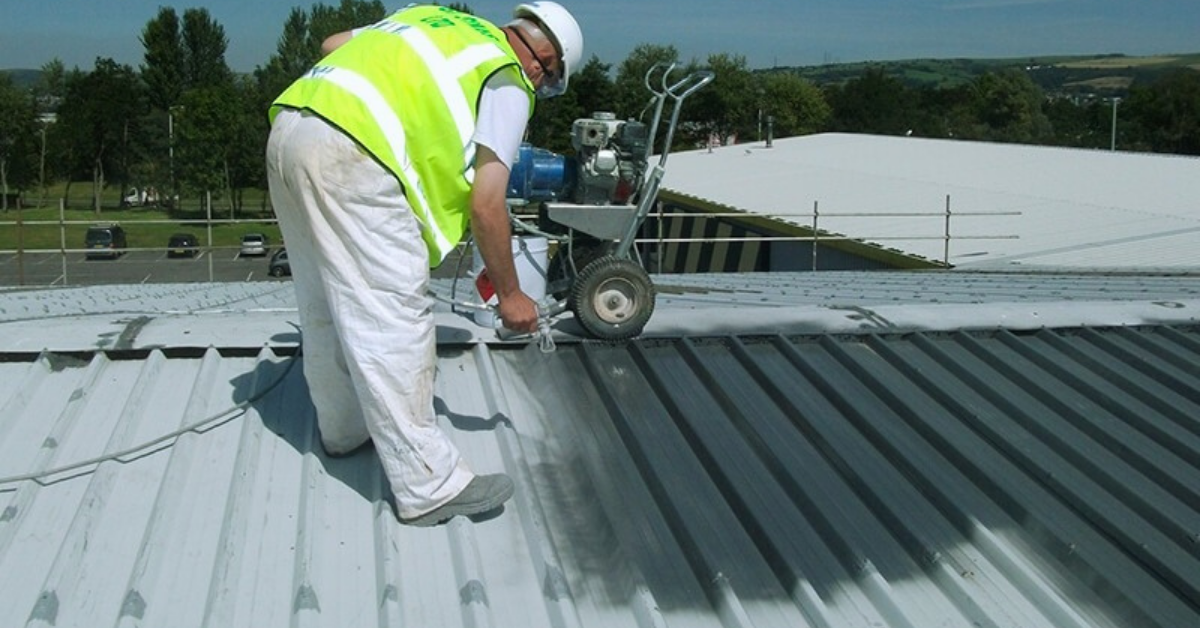
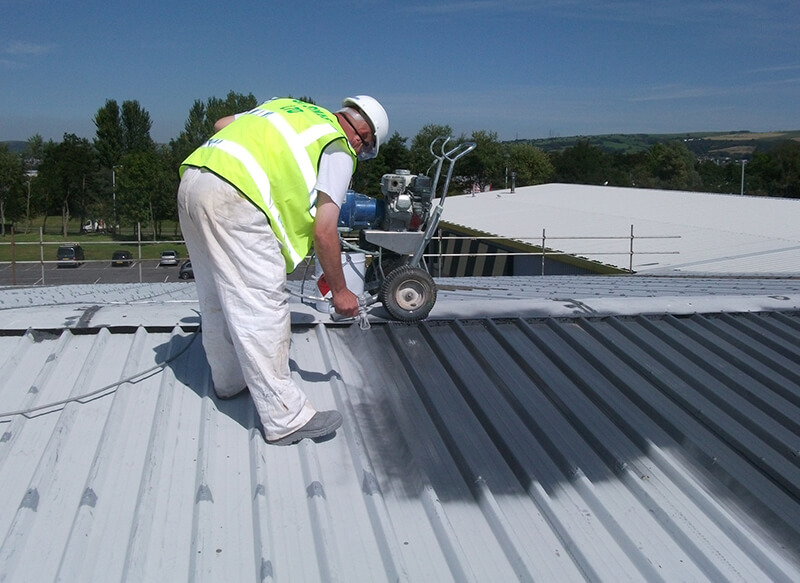
  • Roofing – One thing that we’re keen on to save cash in the long term is regular roof maintenance. Whether you have a flat roof or a pitched space, it’s essential that problems are dealt with sooner rather than later. Don’t let your roof let your building down.
  • Suspended Ceiling Repair and Replacement – Suspended ceilings are great for so many reasons, but they are surprisingly easy to damage. In any commercial building, the chances are that there are sections of the ceiling that need repair, and often, a minor repair can make all the difference. The last thing you want is a ceiling tile or section of lighting to come crashing down.
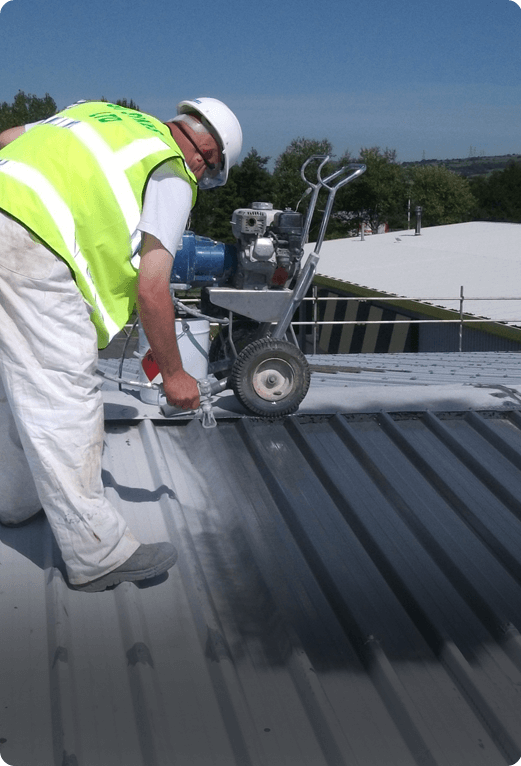
roof coating 2

3 – Increased Energy Efficiency

In the last few years, as energy prices have (somewhat ironically) risen through the roof, ensuring your building has good energy efficiency has become essential. Not only does it save on running costs, but it’s a lot better for the planet, and we all have to do our part there. 

Repairs to the roof and walls improve the energy efficiency, as does checking and potentially upgrading your insulation. Don’t stop there, though. Consider updating your lighting to take advantage of more efficient smart technologies, check the windows and glazing as a potential weak spot, and have your heating and air conditioning systems regularly maintained.

4 – Revitalise the Inside to Increase Marketability

An old and outdated building isn’t going to gather lots of interest, but with the right repairs and refurbishments, it can become something extremely attractive.

With GI Sykes, you can consider:

  • Toilet Refurbishment – One of the key spaces canny potential tenants or buyers will examine is the toilet facilities. If these are sparkling, and provide the perfect space, then interest will be high.
  • Partitioning – Divide the rooms into better arrangements to make better use of your internal space and create more opportunities.
  • Kitchen Refits – Nothing turns off commercial tenants more than having a squashed and poorly fitted kitchen area; the best business owners consider facilities for their employees very highly. Modernise the kitchen and rest areas and make them places people will enjoy using and congregating.

5 – Compliance with Regulations

OK, so our fifth choice won’t technically make you more money, but it will stop you from losing it if something terrible happens! There are many regulations that buildings need to comply with, and those in disrepair are likely to fail to meet standards.

As part of GI Sykes repairs, we can help you evaluate your fire assessment and fire prevention installations, any needed asbestos removal, and a proper appraisal of all the facilities. 

Using GI Sykes For Your Dilapidations and Repairs

Our team at GI Sykes is made up of experienced professionals with the range of skills needed to ensure your commercial building is maintained to an extremely high standard. With our help, your property will command the highest fees, and the tenants will be all-too-happy to pay them, knowing they are well-considered and looked after in turn. Get in touch today to discuss how we can help.

Latest Articles

Previous
Next

How To Extend The Lifespan Of Your Industrial Roofing

Roofing 28.04.22
services preview roofing

Request a FREE QUOTE

If you’d like to discuss a project you have we’d love to help.

Contact us today for a free no-obligation quote.

Get a quote

Your industrial roofing probably doesn’t get a second thought in the day-to-day running of your business. It’s easy to take for granted – until disaster strikes. Replacing industrial roofing is no mean feat; it means shutting down your business for the duration of installation, a huge expense in replacement costs, and not to mention the other issues that may arise from re-roofing your building.

And while you can’t avoid replacing your industrial roofing, there are some easy to implement steps you can take to extend its lifespan so you get the most from your investment. Here are our top 5 tips to make your industrial roofing last longer…

Keep It Clean

Your industrial roofing is going to get dirty – it is a roof after all! But the type of dirt and extent of the dirt can impact the lifespan of your roof. 

The dampness of the weather in the UK means that industrial roofing is prone to organic matter growing on it. Roof gardens are a thing of beauty but unintentional ones can wreak havoc on your industrial roofing. Algae, moss and fungi thrive in gutters and sheltered areas of your roof, and with them comes a whole host of problems.

Algae

Algae might be minuscule, but that doesn’t mean the damage it can cause is. Algae is usually harmless, but there are some types that can be harmful to animals and humans. Removing algae build-up is important, but the right safety considerations must be taken. 

Moss

Moss is a common feature on roofs throughout the UK, and in small patches, it doesn’t pose much of a threat. But moss grows very quickly, so small patches don’t stay small for long. Some varieties of moss can hold up to 30 times their weight in water and it’s that additional weight that carries the most danger for your industrial roofing. After every rainy day, your roof is being put under enormous strain – plus pieces of moss get washed into your guttering, causing blockages in your pipework. Keeping your roof free from moss should be a priority. 


Mould

Mould LOVES damp, dark spaces and your industrial roofing offers lots of ideal places to grow. The trouble is, mould can seep through damaged roofing and into the structure of your roof, causing much bigger problems. Black mould is toxic, and cleaning it requires specialist knowledge and equipment, so if you suspect your industrial roofing has black mould always call for expert help. 


Dare To DIY?

You might think that giving your industrial roofing a once over with a pesticide and a bit of hot soapy water will do the trick, but the truth is, roofs are difficult to clean. Quite aside from the fact that you need insurance to work at height, using the wrong chemicals can create more problems in the future. 

It’s best to leave roof cleaning to the professionals – that way you know that your industrial roofing is going to be completely free of organic matter, treated with the appropriate biocides and carried out by highly-trained professionals. 

Inspect Your Roof

Once you have a clean and clear roof, you will need to inspect it for problems. This can be really obvious splits and tears to the roofing membrane or it might be more subtle, less obvious damage. Knowing what to look for is key – a cursory glance from the ground now and again may mean that you miss a significant issue. 

To really spot issues early, you need to be up close and personal with your industrial roofing – which means getting up there. These are the most common industrial roofing problems that we come across; 

Missing Or Damaged Flashing

Flashing is the thin, waterproof material that is applied to your industrial roofing to protect joints from water ingress. All roofs have flashing – it’s an essential element that needs to be well cared for. Flashing can become damaged through age and weathering – and if you have lead flashing on your building, there have been cases where this has been stolen (it has a high scrap value). 

Split Or Blistered Roof Surface

Your roof is (obviously) exposed to all weathers, from the hottest midday sun to the coldest midnight frost. These changes can have an effect on your industrial roofing. You’ll see things like; 

  • Blistering (pockets of air between the roof and the membrane) 
  • Alligatoring (small cracks and peeling)
  • Rips and splits 

Pooling Water

Puddles of water on your industrial roof aren’t a red flag unless they don’t drain away after a few hours. Prolonged standing water is a sign that something is wrong with the levels of your roof, and the water can cause some serious damage, if left.

Maintenance 

Following your inspection, you might find yourself in need of roof maintenance. Even if you think your roof looks fine, having a regular maintenance schedule is highly recommended to ensure that there’s no concealed damage or issues that might develop further down the line. 

Roof maintenance is damage control – it allows you to limit the impact of problems so you can avoid more costly repairs or in the worst case, total replacement.

Protective Coatings

Like laminating an important document, adding a protective coating to your roof just helps to keep it good condition for longer. 

Things like minor corrosion can be halted with the application of a specialist coating, meaning that you won’t have to fork out for repairs for a while. At GI Sykes, we use the most advanced coatings on the market so that our clients benefit from the latest developments. 

These coatings will work hand in hand with your roof cleaning as they make it quicker and easier to remove organic matter, bird mess and dirt.


Invest In Quality

Our final tip for prolonging your industrial roof is this: don’t scrimp. From products to clean, to the materials used for repair, always go for the best quality. You might feel the pinch in the outlay, but when your roof requires fewer repairs, your cleaning takes less time and your roof looks as good as new years down the line, you’ll see the investment was worth it. 

If your industrial roofing needs a little TLC, we’d be happy to provide a quote for cleaning, maintenance or roof coatings. If you don’t know which service is best suited for your roof, give the team a call and they can help you identify the best course of action.

Latest Articles

Previous
Next

Is Commercial Roof Repair Worth It?

Roofing 30.03.22
Commercial Roof Repair 7

Request a FREE QUOTE

If you’d like to discuss a project you have we’d love to help.

Contact us today for a free no-obligation quote.

Get a quote


Is commercial roof repair worth the investment? It’s one of the most frequently asked questions to our specialist roofing team. Their answer? A simple yes. 

But you probably want to know a little more… 

Like what does commercial roof repair include? What can it fix? And what can it prevent? 

You’ll likely also want to know if commercial roof repair is better than roof replacement?

So we’ve put together a guide to help you learn all you need to know about commercial roof repair…

What Is Commercial Roof Repair?

Commercial roof repair is the maintenance carried out to either prevent roof damage or take remedial action when damage has occurred. 

At GI Sykes, we specialise in commercial roof repair of all types of roofs. These mainly fall into three categories; flat roof, low-pitched roof or pitched roof. 

Each of these has specific aspects that need to be taken into account when considering a repair. A flat roof requires weatherproofing with membrane or felt, particularly as the most commonly reported issue is with pooling water. 

Both the low-pitched roof and the pitched roof have two sides sloping down from an apex (the top point of the roof). Pitched roofs tend to be more durable, offer more space inside a building and are thought to be more attractive but can be much harder to access for maintenance.

What Damage Can Commercial Roof Repair Fix?

Our commercial roof repair service is comprehensive – there are very few roofing problems that we can’t fix. But what are the most common roofing issues that we come across?

Flat Roof Problems

  1. Flaking, torn roof coating. This problem, sometimes called ‘alligatoring’ because of its reptile skin appearance, is pretty unavoidable. The asphalt or bitumen that’s used to waterproof your flat roof is affected by sun exposure, standing water and debris. Left to degrade, this can result in cracks and tears in your flat roof coating which lets water into the roof itself – meaning a bigger repair bill in the long run. 
  2. Ponding water. A flat roof isn’t actually totally flat. It has a ‘fall’ on it, which helps water to run off. However, over time, your flat roof can develop dips where water pools – this is known as ponding. If water collects on your flat roof and remains there for a while (this happens most frequently during the autumn and winter months), it can start to stress the membrane, causing it to fail. 
  3. Blistering. If your roof manages to avoid the pitfalls of the UK weather in winter, it might not be so lucky in summer. A black roof in hot, direct sun can end up with blisters – little pockets of air – as trapped air and moisture expand. This causes the membrane to stretch, which not only means you have areas of weakened membrane, you also have spots where water can collect – and after summer comes the rain!
  4. Movement. Buildings can have subtle movement in them, especially new buildings. While the effects of settling are generally fairly minor, they can make your flat roof membrane buckle. 
  5. Weathering. Ok, so your weatherproof coating IS weatherproof, but that doesn’t mean that over the years the temperature changes won’t have an effect. The continual expansion and contracting of the roof can start to cause minor failures.


Low-Pitched Roof Problems

  1. Runoff problems. A lower slope means that water runoff can be an issue. The lower the pitch, the more likely it is that you’ll see issues caused by pooling water. 
  2. Snow settles. Snow, although infrequent in the UK, is a huge problem for low-pitched roofs. It doesn’t clear well, and the added weight can cause failures in the roof covering.
  3. Exposure. Low-pitched roofs are commonly found on warehouses, industrial units and large superstores. These roofs are huge, and in storms and high winds are at most risk of wind damage.


Pitched Roof Problems

  1. Water damage. While pitched roofs have better water management, they can still suffer from water problems. Areas that get clogged with leaves or debris can allow pools to form. 
  2. Loose tiles or slate. Whatever you have on your roof, it can come loose, and when it does, there’s a high risk of water making its way into the inside of your building. Loose tiles also provide access to your roof for birds to nest. 
  3. Clogged guttering. Thanks to the high pitch of your roof, water runoff is well managed – however, this can put more strain on your gutters. These are likely to catch all manner of debris, blocking them up. You’ll need a good gutter maintenance schedule to keep on top of it (we have an excellent gutter cleaning service – you can see more here)
  4. Moss and algae build up. Roofs are ripe for organic matter to thrive – moss, algae and fungi all grow well in the conditions found up there. But this means bad things for your roof – the added weight in wet weather puts your roof under strain, not to mention the fact that it can look very unappealing.


How Can Commercial Roof Repair Help?

Commercial roof repair should be part of your building maintenance plans. Whatever type of roof your property has, it’s likely to need remedial work at some stage, and catching it early can mean the difference between repair and replacement. 

Our commercial roof repair service means that every aspect of your roof is inspected by our highly-trained contractors. These experts know what to look for when assessing your roof, so you know that once your commercial roof repair is complete, your roof will be in excellent condition.

Our team of reliable, qualified and skilled contractors can carry out every aspect of commercial roof repair, including;

  • Recoating
  • Refelting
  • Patching
  • Replacing Tiles
  • Roof cleaning 


Commercial Roof Repair vs Roof Replacement

If your roof is very old, then it will start to require more frequent repairs. At this stage, you’ll need to weigh up the cost of continued remedial works vs the cost of a new roof. As a rule of thumb, if the cost of repair is 50% of the cost of replacement, it might be time to bite the bullet. 

Our team are honest and dedicated to providing you with the most effective service, so you can trust them to make a truthful assessment of your roof. 

Want To Talk Commercial Roof Repair?

So whether you’re looking for planned commercial roof repair or you have an emergency issue, we’d be happy to help. The first step is to get in touch to arrange for a site visit, here we can assess the scale of the commercial roof repair needed and provide you with an accurate quote. We look forward to hearing from you!

Latest Articles

Previous
Next

Got a Project in mind?

If you’d like to discuss a project you have we’d love to help.

Contact us today for a free no-obligation quote.

Get a quote