Dilapidations and Repairs: 5 Ways You Can Increase Your Property’s Value

Building Repairs 14.05.24

Request a FREE QUOTE

If you’d like to discuss a project you have we’d love to help.

Contact us today for a free no-obligation quote.

Get a quote

Dealing with repairs and dilapidations is part of owning and renting out a property, but that doesn’t stop even the best landlords and property owners from wanting to leave them as long as possible, putting off the cost of repairs until it really has to be done – often thinking they’re saving money.

However, short-term savings can become a greater long-term cost.

Dilapidations affect your property, and regular repairs can not only keep costs down but also increase your property value. Read on to discover five ways repairs can increase property value!

The Cost of Disrepair

Letting your property slip into disrepair is hardly cost-effective. You might feel that doing all the repairs at once is the most sensible option – perhaps when your current tenants have left, and you can cover a lot of the cost under dilapidations – but that is far from the case. Untended issues have a horrible tendency to grow and become a bigger problem.

Imagine, for example, a small roof leak. A survey and maintenance schedule could mean it’s taken care of in the general run of things, costing a few hundred to ensure the roof is in great order throughout the year. But leave it alone and it can grow, causing water damage to the underlying structure and even potentially meaning a second of the roof collapses. Now you’re talking thousands, and maybe tens of thousands.

It’s not just about the direct costs, either. Tenants want to live or work in a building that’s in good repair and will become dissatisfied if little fixes go undone for long periods. It’ll increase the chance of a tenant dispute and could mean they leave altogether, leaving you with the loss of good tenants, an empty building for a while, and the cost and effort of securing new tenants.

Plus, those new tenants will want the repairs done, too!

There are also safety and legal ramifications. The last thing you want is for someone to be hurt because of an accident that could have been avoided.

The best thing is to keep on top of the repairs. Regular maintenance reduces the risk and keeps the overall costs of repair significantly lower.

That’s all very good, of course, but what about how repairs can actually increase your property value? What are these five ways?

1 – Enhanced Curb Appeal

Everyone judges based on looks, even if they protest otherwise! If you’re looking to give your property the best possible chance of getting tenants, then you need the outside to shine.

A clean, well-managed exterior provides a positive impression, and it’s easier to maintain and keep up the good looks.

GI Sykes dilapidations and repairs cover:

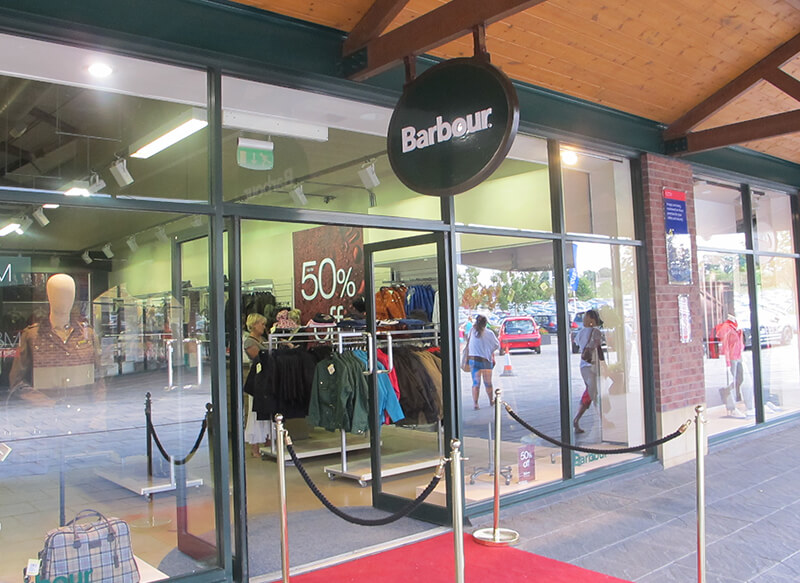
  • Cladding – Sprucing up the cladding on the outside of your building makes such a huge difference. Our cleaning or respraying solutions will make it gleam as good as new – plus, if you’ve been looking to change the colour scheme, you can do both at once.
  • Window Frames – It’s amazing how the mind works. If your visitors see grimy or damaged window frames, it seeps into their perceptions and sticks as a bad impression. Our team will clean, repair, and respray your window frames as needed.
  • Hardscaping – Car parks, external loading areas, paved sections; getting the hardscaping up to scratch properly requires professional workmanship. We can help you make it all perfect again, with no cracked paving, no holes, and no cracks for unsightly weeds to make their home.
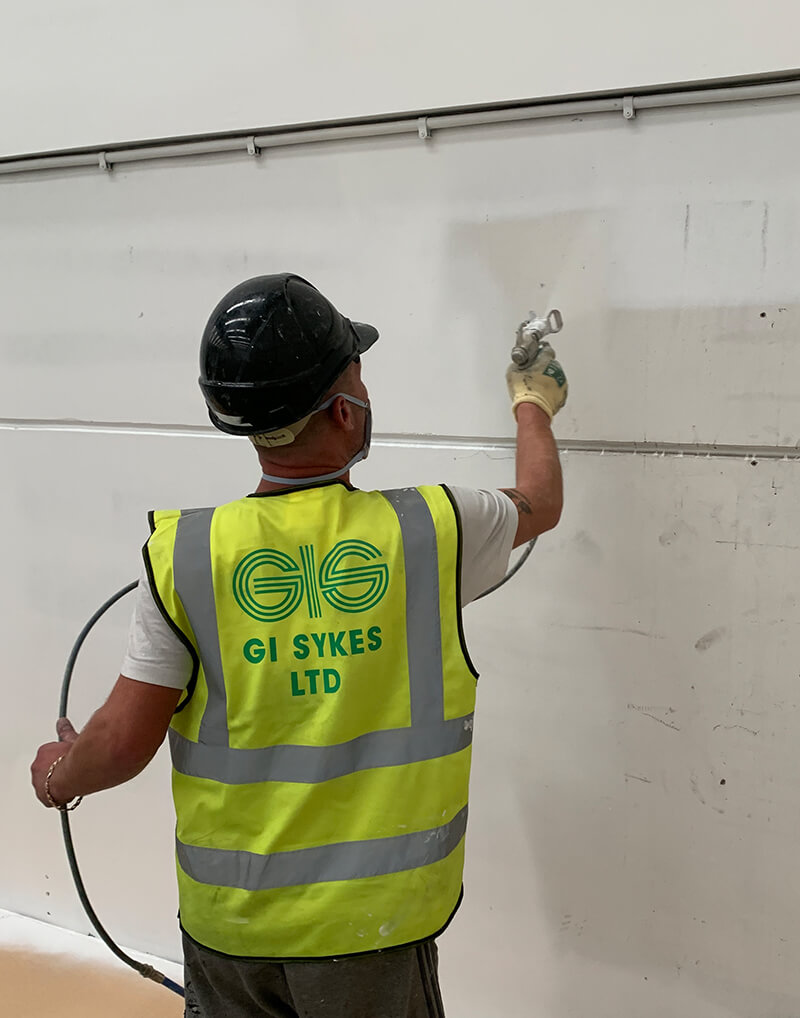
  • Painting and Spraying – External walls benefit from weatherproofing and improved longevity, as well as a new visual lease of life when they’re expertly painted. Get rid of anything unsightly and give your walls a fresh coat.
commercial painting 2

2 – Improved Functionality and Safety

No one wants to rent or buy an unsafe space, and honestly, no one should want to try to rent one out or sell one! Not only do you want to make sure your repairs ensure the building is completely safe for use, but why not go the extra mile and make improvements that’ll set you apart and add value and enticement – such as high-spec security, for example.

No one is renting or buying an unsafe space, so these repairs need to be high on your list. But this gives you the chance to make improvements that set you apart – high-spec security, for example. It’s a simple way to add value to a building.

The GI Sykes team can help with:

  • Electrical Rewiring – It can be surprising how quickly electrical wiring needs repairs or replacement, and it’s equally surprising how little it’s sometimes checked! Make sure it’s all up to standards, and maybe add a few points in places that have been left powerless for too long.
  • Levelling Flooring – Poor flooring can be hazardous, but years of wear and tear are not unusual and can lead to unexpected problems. A survey and subsequent repair will make the floor safe and level throughout the building.
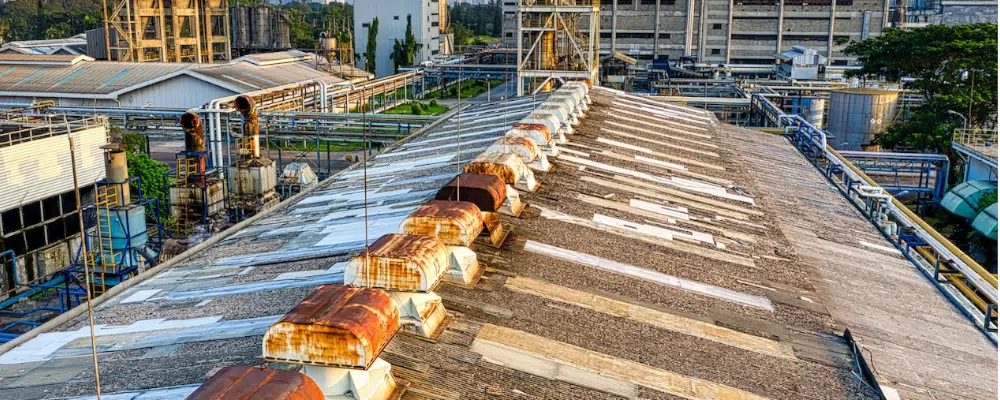
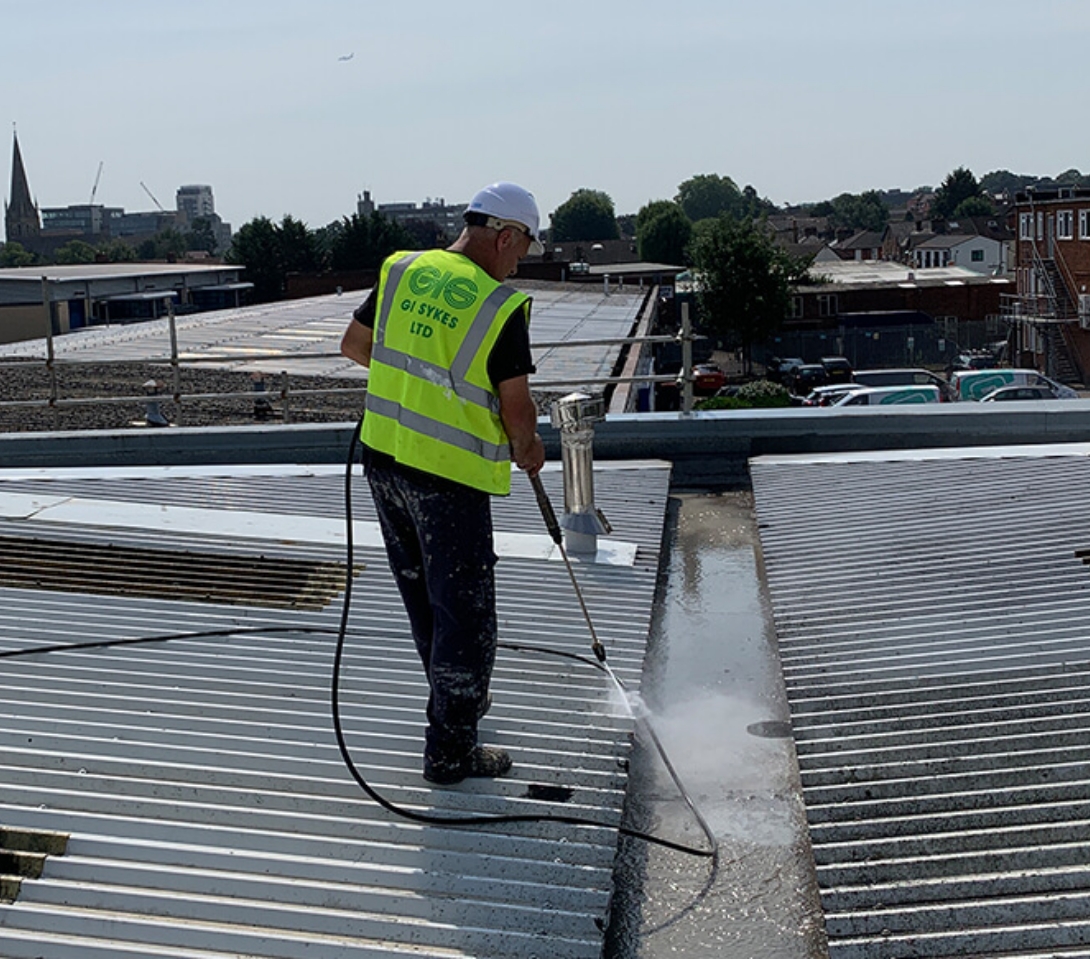
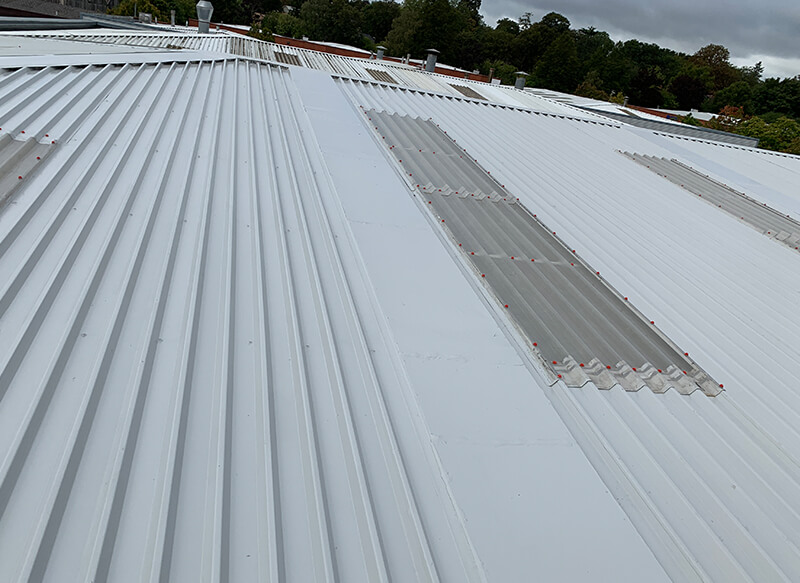
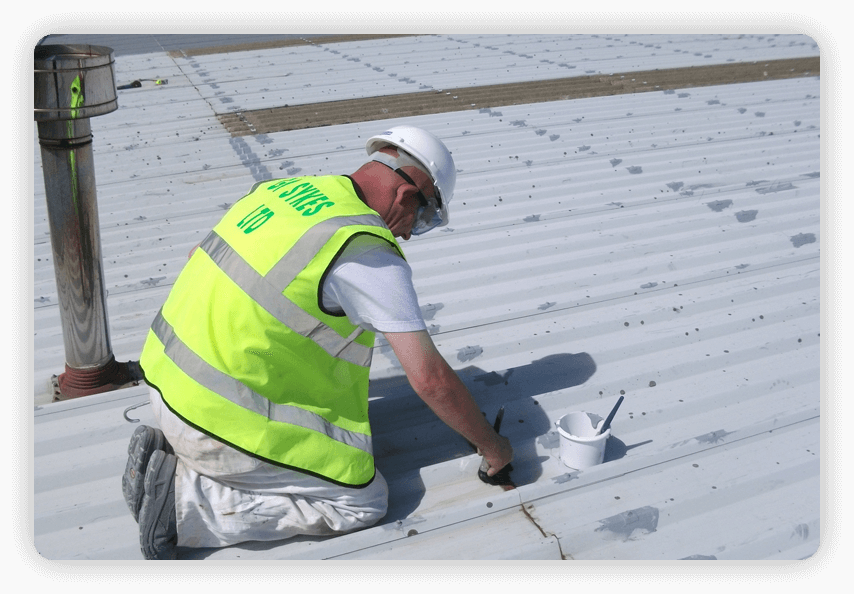
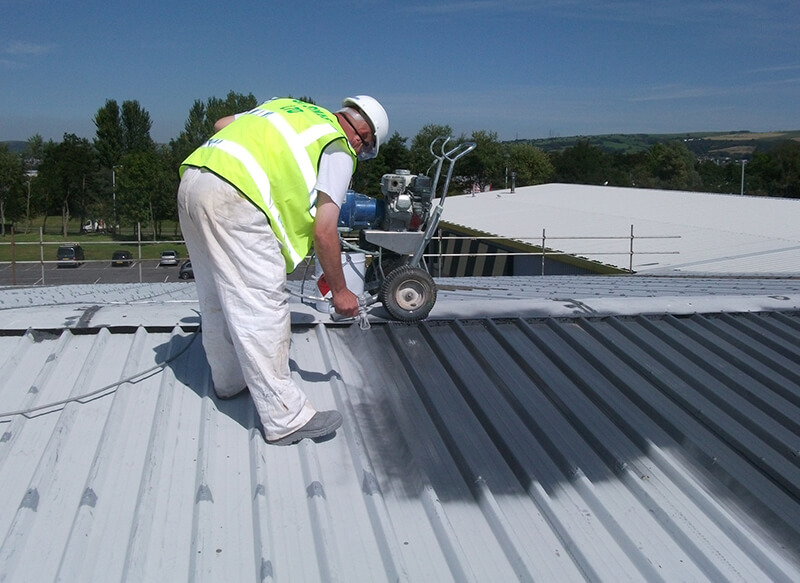
  • Roofing – One thing that we’re keen on to save cash in the long term is regular roof maintenance. Whether you have a flat roof or a pitched space, it’s essential that problems are dealt with sooner rather than later. Don’t let your roof let your building down.
  • Suspended Ceiling Repair and Replacement – Suspended ceilings are great for so many reasons, but they are surprisingly easy to damage. In any commercial building, the chances are that there are sections of the ceiling that need repair, and often, a minor repair can make all the difference. The last thing you want is a ceiling tile or section of lighting to come crashing down.
roof coating 2

3 – Increased Energy Efficiency

In the last few years, as energy prices have (somewhat ironically) risen through the roof, ensuring your building has good energy efficiency has become essential. Not only does it save on running costs, but it’s a lot better for the planet, and we all have to do our part there. 

Repairs to the roof and walls improve the energy efficiency, as does checking and potentially upgrading your insulation. Don’t stop there, though. Consider updating your lighting to take advantage of more efficient smart technologies, check the windows and glazing as a potential weak spot, and have your heating and air conditioning systems regularly maintained.

4 – Revitalise the Inside to Increase Marketability

An old and outdated building isn’t going to gather lots of interest, but with the right repairs and refurbishments, it can become something extremely attractive.

With GI Sykes, you can consider:

  • Toilet Refurbishment – One of the key spaces canny potential tenants or buyers will examine is the toilet facilities. If these are sparkling, and provide the perfect space, then interest will be high.
  • Partitioning – Divide the rooms into better arrangements to make better use of your internal space and create more opportunities.
  • Kitchen Refits – Nothing turns off commercial tenants more than having a squashed and poorly fitted kitchen area; the best business owners consider facilities for their employees very highly. Modernise the kitchen and rest areas and make them places people will enjoy using and congregating.

5 – Compliance with Regulations

OK, so our fifth choice won’t technically make you more money, but it will stop you from losing it if something terrible happens! There are many regulations that buildings need to comply with, and those in disrepair are likely to fail to meet standards.

As part of GI Sykes repairs, we can help you evaluate your fire assessment and fire prevention installations, any needed asbestos removal, and a proper appraisal of all the facilities. 

Using GI Sykes For Your Dilapidations and Repairs

Our team at GI Sykes is made up of experienced professionals with the range of skills needed to ensure your commercial building is maintained to an extremely high standard. With our help, your property will command the highest fees, and the tenants will be all-too-happy to pay them, knowing they are well-considered and looked after in turn. Get in touch today to discuss how we can help.

Latest Articles

Previous
Next

Is It Time For Building Maintenance?

Building Repairs 14.01.23
commercial spraying done

Request a FREE QUOTE

If you’d like to discuss a project you have we’d love to help.

Contact us today for a free no-obligation quote.

Get a quote


The start of the year is always a good time to check to see if you require any building maintenance. It’s not necessarily the time of year, but more the mindset of getting things up to standard for the next 12 months. 

An annual review of your property means that you can see what needs doing immediately, what needs doing soon and what can wait. You can plan your building maintenance budget and schedule accordingly rather than letting things take you by surprise. It pays to be proactive with repairs. 

So, what should you look for to see if your premises needs a little TLC?

The Roof

A good building maintenance check takes account of every aspect of your property, including the roof. You’re firstly looking for obvious signs of damage or disrepair – leaks, holes or missing parts. If all looks in good order, you need to look a little closer to be sure. 

Blisters

If you see raised bumps in your roof membrane, you may have roof blistering. It’s where a pocket of air forms between the layers of your roofing materials, usually because the membrane has lost its adhesion. They might look harmless enough, but if left, these blisters can split and let in moisture which can compromise the integrity of the roof.

Pooling Water

If you see standing water on your flat roof, it may be an indication that there’s a problem with the surface of your roof. Puddles, or pools, form when the rain rolls into a sunken area on your roof. If you’re checking your roof after a period of sunshine, look for circles of dirt and debris, as these show the areas where water pools.


Tears & Cracks

Rips in the membrane covering your roof can allow water, dirt and organic matter to get into the structure of your roof. Over time, even a small leak can mean considerable water ingress that can rot wood, damage ceilings and result in the need for much larger repair work.

The Exterior

Your building maintenance will include examining the outside of your property. In the first instance, you’re looking for things that can affect the structure of the building – cracks in the walls, patches of mould, rusting metalwork. Beyond that, you want to keep an eye on the aesthetic stuff too. Dull, faded cladding and signage can negatively impact the perception of your business, so getting that looking neat and tidy will deliver great rewards.

Unkempt Cladding

Check your cladding for dinks or cracks. Small knocks are fine, but more serious ones will need attention. If the coating on your cladding is compromised, you run the risk of rust forming and weakening your protective cladding.

There are a few options available to you if you decide that your cladding needs repairing. Cladding cleaning will remove all the dirt and grime that has accumulated on it, leaving it looking bright and clean. If the colour is looking faded or you fancy a change, cladding spraying is a quick and effective way to restore vibrance to your exterior.

Lastly, if you spot rusty edges to your cladding, then cut-edge corrosion repair will help prevent more significant damage from occurring.


Gutters

Your gutters will collect all sorts of matter over the months. Clearing them is an essential building maintenance task because if they get too compacted, water will begin to overflow down the sides of your premises.

Gutter cleaning for a commercial building is very different from clearing your gutters at home. The height and length of the gutters mean the job carries some risk and is usually best left to those with the right equipment, training and experience.

Graffiti

Sadly, an expanse of clean wall, shutter or cladding is too much temptation for some, and graffiti is the result. 

Unless it’s a Banksy, you probably don’t want to keep your new ‘art’ in place, so scrubbing it off will form part of your regular property maintenance. But did you know that we can treat your surface with an anti-graffiti coating that means future street art won’t be a problem?

The Interior

Now to the inside of your property. Your building maintenance regime should include all aspects of the inside of your warehouse, office or retail unit. 

Check that all the electrical sockets are safe, that your furniture isn’t broken and that your windows are in good working order. You probably already have scheduled fire drills, but check your fire alarm system, check the dates on all extinguishers and fire blankets and go through the First Aid kit to get rid of out-of-date medical supplies. Now, that’s not technically building maintenance, but it goes hand-in-hand with a safety check, so it works as a great reminder.

Dated Decor

While you’re pottering around, ensuring your building is safe and secure, you might notice that the paintwork looks a little tired. A spruce-up of common areas can do more than just improve the look of your building, it can boost morale too. Showing that you care about the environment that your staff or tenants work in makes them feel valued and cared for.

Commercial painting and decorating is a simple way to elevate your business profile while demonstrating your positive attitude to your workforce. 

Missing Tiles

Inspect your suspended ceiling for damaged or missing tiles. They are cost-effective and easy to replace, so you can have a lovely-looking ceiling in no time. 

However, if there’s extensive damage or you think your ceiling needs replacing, it’s worth doing sooner rather than later. If there is a risk of falling tiles, speak to a professional suspended ceiling contractor who can advise you on the best course of action.

The Floor

Lastly, we’re looking down at our feet and checking over the floor. Building maintenance includes all of your floor space, including outside. Look for potholes in your car park, missing anti-slip tread on steps, and fraying or worn carpet. Anything that presents a slip hazard needs to be at the top of your to-do list.

Poor Flooring
If your flooring isn’t holding up to the high traffic that it’s enduring, then switching to an Epoxy resin floor will save you time and money in subsequent building maintenance checks. The durable resin coats your concrete floor and lasts for up to 10 years. It’s impact resistant, repels chemicals and, as it’s so smooth, it is incredibly easy to keep clean.

Epoxy floors come in many colours, so you can even match your flooring to your branding!

Missing Markings

Check that all of your safety markings are still visible. Line markings are essential in warehouses and environments where there are vehicles and pedestrians, so ensuring they’re intact and clear is vital. If not, book a contractor to come and redo the lines as soon as possible.

Building Maintenance: Your Annual Responsibility

If you’ve not planned a building maintenance check for the next year, now is the time. Get yourself a clipboard and start looking closely at all of the things we have outlined – we promise that by being proactive with repairs and maintenance, you’ll save yourself stress and cash in the long run. 

And if you want to pass the obligation onto a professional team who can ensure every aspect is thought of, then talk to us about our property maintenance services. We can create a package that spreads the cost, so you get high-quality maintenance without a huge bill.

Latest Articles

Previous
Next

Giromax: What Is It And How Can It Save You Money?

Roofing 10.08.22
commercial roof maintenance 2

Request a FREE QUOTE

If you’d like to discuss a project you have we’d love to help.

Contact us today for a free no-obligation quote.

Get a quote


Giromax is one of the leading names in protective coatings for treating your roof, cladding and guttering, but what makes it so good and how exactly can it save you money?

What Is Giromax?

The Giromax range includes several specialist coatings that help to restore and prevent a variety of issues that arise for buildings. At GI Sykes, we use Giromax because it delivers incredible protection that can be applied whatever the weather – which makes the process so much easier for our customers. 

Giromax Technology Ltd was founded over 20 years ago by those with technical expertise within the sheet metal manufacturing industry. It’s this expertise that enables Giromax to position itself as a specialist in the preservation and protection of industrial buildings.

But what problems can Giromax resolve – and just how does that save you money?

Cut Edge Corrosion

If you’ve not heard of cut edge corrosion, you’re either lucky enough to have avoided the issue so far or you’ve not inspected your building and the issue has gone unnoticed! In simple terms, cut edge corrosion is the disintegration of the edges of the steel sheets used in your roofing or cladding. The edges are the weakest spot in the sheet and are often the first place that damage occurs. 

Left untreated, cut edge corrosion can lead to serious problems with your roof or walls including leaks, damaged joints and even holes that may mean that the whole metal sheet requires replacement rather than repair. 

Giromax has invested heavily in the development of a treatment for metal roofs and cladding that helps to prevent cut edge corrosion from happening, as well as preventing further damage in areas where corrosion has already begun.

The coating encapsulates the metal edge, protecting it against UV rays, weathering and temperature changes. 

Flaking, Lifting Roof Coating


In the past, we’ve been asked why should a property owner bother with a roof coating and the answer is simple. Prevention is better than cure. Coating your roof helps keep the metal from becoming compromised by rust and other issues caused by weathering, UV light and standing water.

If you have a metal roof, the edges of the metal sheets are particularly susceptible to corrosion (much like cut edge corrosion above). Over time, the edges can become damaged by rain, frost and direct sunlight. The panels can delaminate, which is where the manufacturer coating lifts and the metal below is exposed. Not only can this make your roof look tatty and unkempt, but it also means that unless you treat the problem, you may also end up having to replace your roof. 

That’s why we highly recommend investing in roof coating for your property. In the three decades that we have been in business, we have never had a customer regret protecting their roof. And all those years of property maintenance have taught us a thing or two about what works and what doesn’t, which is why we have chosen to use Giromax products.

Giromax Roofcoat is an industrial roof coating solution that sets the benchmark for all roof coatings. Formulated using the latest technology, it’s been subject to rigorous research, development and testing which has resulted in a product that can considerably extend the lifespan of your roof. How’s that for a saving?

Rusty, Damaged Gutters


Your poor gutters. They don’t usually spring to mind when you think about what needs regular maintenance. As long as they’re not leaking, they’re doing ok, right? Wrong, actually. 

Your gutters play an essential role in the water management of your roof, carrying away rainwater so you don’t end up with pooling water. But their continual exposure to the wet, and the additional problems caused by clogging from plants, dirt and debris means that they’re most likely to suffer the effects of rust and weather damage. 

Damaged gutters can mean that your roof, or even the structure of your building, suffers from water ingress, corrosion and dampness. So what can coating your gutters do?

Giromax created Guttercoat, a specialised gutter coating that prevents corrosion by encapsulating the metal and its joints in a flexible but durable protective layer. When used with Giromax Sealant on damaged joints, your guttering can last up to another 15 years!

Peeling, Damaged Cladding

Your metal cladding is a workhorse. Not only does it make your building look good, but it also protects it from the damaging effects of sunlight, wind, rain and pollution – it even enhances the stability of your property. 

But the daily assault from the weather and environment can take its toll on your cladding, and you may start to see spots of rust, bubbling or peeling coating or cracks in the coating. And these might seem like minor issues, but if they’re not sorted they can escalate into a much larger problem that requires deep pockets to fix…

Cladding coating is one of the most effective ways to ensure that your cladding remains intact, even in the face of the significant weather changes we see in the UK. Giromax Girocote is an anticorrosive high opacity primer that can add 10 years of life to your cladding. 


Giromax: Yea or Nay?

So, now you know a little more about Giromax and what it can do for your property you can decide if you think it’s worth the investment. A quick round-up of the above should help get a clear idea of the ways these products can help save you money.

Rusting, damaged edges to your metal panels? Cut edge corrosion treatment will stop the damage from causing a bigger problem, saving you potentially thousands in replacement costs. 

Blistered roof coating? Roofcoat will ensure that your roof suffers no further damage – and it’s guaranteed for 25 years! Replacement zinc roofing costs around £20 per square metre (not including installation costs) – so add that to your savings.

Gruesome gutters? Rather than leave them to rust away, quick treatment can add over a decade to their lifespan, delaying the cost of replacement and saving you another couple of grand. 

And lastly, revive and protect damaged cladding with Girocote, because replacing your cladding is a huge job that will set you back an eye-watering amount. 

Your estimated savings are likely in the high thousands, not to mention the savings you will have on maintenance and energy costs.

So, if you want to know more about the Giromax products we use, get in touch and we’ll be happy to discuss your needs in detail.

Latest Articles

Previous
Next

Cut Edge Corrosion: What Is It & Why Ignoring It Will Cost You Money

Roofing 25.05.22
Services4

Request a FREE QUOTE

If you’d like to discuss a project you have we’d love to help.

Contact us today for a free no-obligation quote.

Get a quote


Cut edge corrosion is one of the most prolific cladding problems we see at GI Sykes. It’s not always preventable, but with careful maintenance, your cladding can avoid the costly damage it causes.

But what is cut edge corrosion and what can you do to avoid huge cladding repair bills?

Cut Edge Corrosion: The Facts

Cut edge corrosion refers to the decay that happens to the edges of your metal cladding. Metal cladding is used predominantly on industrial buildings thanks to its durability and clean aesthetic, but over time the edges of the metal sheets can become damaged.

The edges of your cladding are a weak spot, more prone to problems than any other area. The corrosion often starts as a small breakdown of the metal but can quickly escalate into a sizable area – putting your building at risk.

How to Spot Cut Edge Corrosion

Before you dash off to check if your cladding is suffering cut edge corrosion, it’s best to see what you’re looking for. Firstly, you need to identify the edges on your cladding – these are usually easy to spot because they have bolts running alongside them. 

Cut edge corrosion usually starts with peeling paint or coating, so if you’re lucky, this is the stage you’ll discover the issue. However, unless you’re investing in regular maintenance, you are unlikely to find the damage until it’s progressed to rust.

The extent of the rust will determine just how big of a problem you have on your hands. Caught early, the repair is straightforward. But left too late, you may find yourself needing to replace your cladding entirely.

What Causes Cut Edge Corrosion?

Problems with your cladding can happen for a variety of reasons. Some can be prevented while others need to be watched for. The main reasons we see cut edge corrosion in our line of work are; 

Poor Manufacturing Quality

Cut edge corrosion can start right from the beginning of your cladding’s lifespan. Poorly made cladding sheets often have exposed metal edges that quickly begin to deteriorate when put in place. The best tip we have when purchasing new cladding is to buy the best quality you can afford and always inspect the edges to ensure that they are coated.

Weathering

Your cladding is there to protect your property from the damaging effects of the weather, so it’s no real surprise that those effects can create problems with your cladding. 

The weather in the UK is highly varied – there are long months of damp, windy days with freezing temperatures followed by months of bright, (sometimes!) hot sunny days. Although cladding is made to withstand weathering, over time harsh UV rays can cause the coating on your cladding to become brittle and crack, with the edges being worst affected. Frost and rain can then make contact with the unprotected metal where it begins to degrade.

Damage

Bumps, scrapes and collisions can cause your cladding to delaminate, creating weak spots where water can get in. When this happens near the edges of your cladding, the damage can be even more significant as the coating is more likely to split or crack.

Environmental

Where your property is located can have a bearing on the severity of your cut edge corrosion problems. Those in coastal areas will find the salt in the air causes corrosion to occur at a much quicker rate.

Similarly, buildings that are in highly populated areas will suffer the effects of pollution more. The chemicals and exhaust fumes in the air mix with oxygen, and in doing so have a corrosive effect on exposed metal.

Ageing

While careful care of your cladding can help to avoid issues such as cut edge corrosion, they are only avoidable for so long. Ageing metal will wear and degrade over the years, so it is to be expected that some cladding panels will need to be replaced once they reach their limit of damage.

Improper Care

If you ignore your cladding, then the likelihood of cut edge corrosion is much higher. Also using the wrong cleaning products or coatings can create bigger problems, losing you both time and money.

What Are The Risks Of Leaving Cut Edge Corrosion Untreated?

Leaving cut edge corrosion untreated is unadvisable. Aside from making your building look tatty and unkempt, the rust will begin to eat away at your cladding which can leave your internal walls vulnerable. 

Water ingress can wreak havoc inside your property, resulting in damp, mould and serious structural decay.


Treating Cut Edge Corrosion

Thankfully, treating cut edge corrosion is a simple process. At GI Sykes we use the industry’s leading anti-corrosion systems to protect and preserve your cladding. 

Our team of cut edge corrosion specialists will identify areas of concern and create an action plan that is designed to manage all stages of corrosion. While the process is very detailed and thorough, we are always mindful of minimising disruption to your business.

Once your cut edge corrosion treatment is complete, you can be assured that your cladding will be robust enough to withstand weathering and pollution for many years to come.

Avoiding Cut Edge Corrosion


Regular Inspection

As the saying goes, prevention is better than cure. So if you want to avoid cut edge corrosion and the associated problems that arise from it, then you need to have a regular cladding inspection schedule in place. 

This needs to be more in-depth than eye-balling it from the ground, as early cut edge corrosion signs can be slight and easily missed from a distance. Our scheduled property maintenance service allows for careful and close inspection by experts who know what to look for. 

Cladding Cleaning

Keeping your cladding clean can help to prolong the integrity of the coatings. It also increases the opportunity for spotting issues as they manifest, rather than later done the line when they become more troublesome.

Specialist Coatings

We use coatings that have been specifically formulated to prevent cladding deterioration and techniques to restore or repair areas affected by cut edge corrosion. 

By investing in this service, your building will benefit from a much longer lifespan with cladding that looks clean and well-maintained with well-preserved edges.

Problems With Cut Edge Corrosion?

If your property is suffering with cut edge corrosion or you’d like to take preventative measures, get in touch with the team to discuss how GI Sykes can protect, restore and prolong your building’s metal cladding.

Latest Articles

Previous
Next

Got a Project in mind?

If you’d like to discuss a project you have we’d love to help.

Contact us today for a free no-obligation quote.

Get a quote