Industrial Painting – Why Does Paint Bubble?

Spraying Services 30.12.21
Services3

Request a FREE QUOTE

If you’d like to discuss a project you have we’d love to help.

Contact us today for a free no-obligation quote.

Get a quote

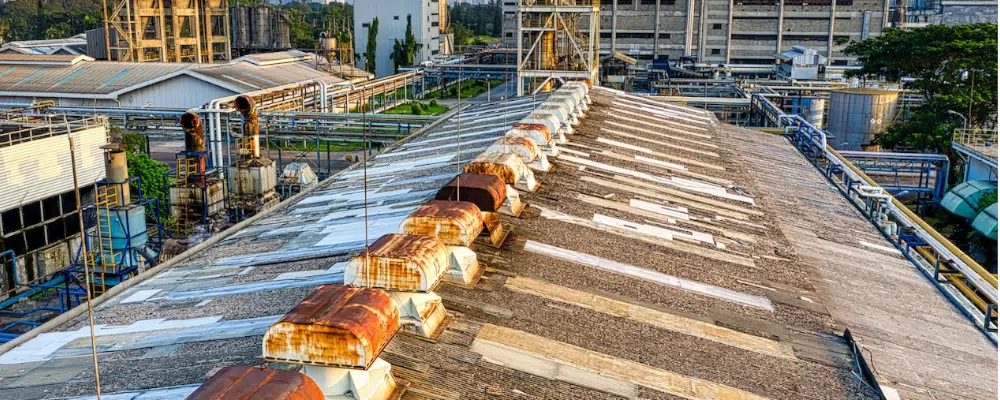
Bubbling paint can make your building look run down, dilapidated or scruffy. When it comes to industrial painting, damaged paint is frustrating, especially when you can’t find the reason for it. 

But when it comes to large commercial buildings, paint bubbling, cracking or peeling is incredibly common. 

Why does this happen – even to high-quality paints?

Blistering and bubbling is something most painters and building owners experience, sadly. But there are a few causes for paint damage, which you can learn here in the hopes of avoiding it altogether.


It Starts With Painting Mistakes

Paint is pretty strange when it comes down to it. It reacts to different temperatures and moisture levels differently. Paint blisters and peels if there’s too much moisture in your air or if it gets too hot. 

If you’re unlucky enough to get both of these together your paint might even start pulling away from the surface and crumbling off.

That’s obviously something you want to avoid, so what situations cause paint to react like this?

Damp and heat are huge contributors to paint damage. Your best option if you’re painting in these conditions is to allow the surface to become dry and cool before you begin painting. Painting onto a hot or damp surface is just going to end in a paint bubble disaster.

The same applies if you’re painting outdoors. Let the paint dry completely before being exposed to heat or damp, or you’ll see cracks appear almost instantly.

Another big mistake to watch out for in industrial painting and residential painting alike is using an alkyd paint over the top of a latex paint. This also ends in peeling, and your only choice will be to remove the paint and start again. 

These are the biggest mistakes that can be at the root of obvious paint damage, but there are plenty of types of paint damage with different causes.

How Is Paint Damage Caused?

The way your paint finishes can be affected by a lot of factors. Usually, damage happens because it wasn’t prevented in the first place.

If you’re seeing bubbling, blistering, peeling, cracking or flaking it’s probably because of the way it was painted. Different issues cause different types of damage.

Here are the types of damage you’re most likely to want an explanation for…

  • Bubbling And Blistering – This happens when the top layer of paint comes away from the layer below or the wall surface itself. Most often you’ll experience this in humid or damp rooms or otherwise on building exteriors. The biggest culprit for bubbling is painting during damp conditions or extreme heat.
  • Flaking – Paint can begin to flake and crumble after long term exposure to UV rays. You’re more likely to see flaking on older buildings or on paint that is very old. 
  • Cracks – For cracks specifically the likely cause is that you either used too many layers of paint or the surface you painted was dirty. This doesn’t allow the paint to solidify properly, making it unstable. 


If you’re having trouble keeping up with all of these varieties of paint damage and how to avoid them, consider getting the help of a professional in industrial painting. But if nothing else, the one thing you can do to prevent paint damage altogether is to be prepared.

How To Stop It

To stop your paint from bubbling or worse, make sure you’re taking the obvious steps to avoid damage. 

If you’re in a rush or trying to DIY your painting, then it might be tempting to skip these things, but do these simple things and you’ll be glad when your surface is bubble-free.

Firstly, prepare your surface! Ensure it’s dry, clean, and not extremely hot or cold. 

Secondly, don’t forget your primer. Apply a coat of this to begin with for a better finish, and use primer to touch up any staining before your main coat of paint.

Lastly, be aware of the elements – if you’re painting an exterior then don’t expose your paint to the elements before it’s fully dried. Follow these basic steps and you’re much less likely to face blistering, flaking, and cracks.


Repairing Paint Damage

Of course, your other option is to repair the damage already appearing in the paint. Ideally, bring in the help of an industrial painting contractor to properly repair your commercial building. 

The process of repairing paint damage of any kind can be quite involved and time-consuming, so having a professional on hand is your best option.

Bubbling paint can be concerning, but ultimately it’s avoidable by ensuring the surface is dry, clean and cool. Avoid mistakes like layering certain paint types and not letting the paint dry before exposing it to harsh conditions. Get the help of a professional in industrial painting to make sure paint damage problems are avoided and prevented properly. 

At GI Sykes we’re the first choice for industrial painting for factories, warehouses and all commercial buildings. With over 100 years of industrial painting experience, we can help with old, marked walls or damaged paint. Get in touch today for a free quote.

Latest Articles

Previous
Next

Cladding Spraying: 7 Questions To Ask Your Contractor

Spraying Services 18.11.21
industrial painting

Request a FREE QUOTE

If you’d like to discuss a project you have we’d love to help.

Contact us today for a free no-obligation quote.

Get a quote

Considering cladding spraying for your commercial property? There’s some things you need to know… 


Cladding spraying is an affordable and effective way to revive your building and prolong the life of your cladding. It can protect your property from the elements, freshen up the appearance of your building and improve the lifespan of your cladding. 

Common issues it can help with include: 

  • Discolouration or fading – Changes in the colour of your cladding, often caused by the weather, UV light and moisture in the air. 
  • Chalking – Lifting, flaking or worn away paint. 
  • Delamination & Separation – moisture damage that creates rust, which can split the top layer from the metal of the cladding. 

But before you instruct a contractor, there’s some important questions you need to ask. 

1: Should I Spray Or Replace My Cladding? 

While cladding spraying is a great way to smarten up your property’s appearance, it’s important to know the difference between when your cladding should be coated or replaced. If your cladding is discoloured, the paint is flaking or chalking or rust is starting to appear, then cladding spraying is an appropriate treatment. However, if your cladding is badly damaged, broken or corroded beyond repair then spraying may not be suitable. 

A good spraying contractor will assess the condition of your cladding and give you impartial advice on the best approach for your property. 

2: Will You Clean My Cladding Before Spraying? 

Cladding is your first line of defence against the elements. Because of this, over time your cladding will collect dirt, grime and even moss. Spraying over dirt will impact the quality of your coating, so it’s essential that your spraying contractor fully cleans and prepares your cladding before spraying. 

A good contractor will remove any moss or lichen, clean any dirt and grime and remove any flaking paint before applying the specialist coating. 


3: How Long Will My Cladding Spraying Last? 

Specialist cladding coatings are designed to increase the lifespan of your cladding, protecting your building from the elements and improving the aesthetic of your building. Not all coatings are created equal, so be sure to ask your contractor how long the coatings they intend to use will last. 

A good contractor will be happy to advise you on what you can expect from the treatment, as well as any potential issues they can see that may arise from your specific building. 

4: What Type Of Spray Coating Do You Use? 

There are many different brands of specialist cladding coatings, and as with all things, some are better than others. Professional brands such as PPG Johnstone’s, Giromax and Tor Coatings have been specially designed to be long lasting, durable and to give an excellent finish. 

A good spraying specialist will be able to tell you which coatings they intend to use for your project and why they consider them to be the best choice. Avoid cheap coatings or “off-brand” options, as these may not give you the best return on your investment in the long run. 

5: How Much Will The Project Cost? 

Your building is unique, so the price for your cladding spraying project should be too. It’s impossible to price a job accurately when you haven’t seen it, so a good contractor will always do a site visit before providing you with a quote. They’ll give you a written quote, that makes it easy to understand the total cost for your cladding spraying, as well as a pricing breakdown to help you see where your money is going. 

Be wary of a contractor that won’t provide a written quote, bamboozles you with complicated costings or refuses to confirm that there won’t be any hidden costs associated with the project. 


6: How Do I Know You’re A Reputable Contractor? 

The building industry has a mix of experienced, trustworthy contractors and unreliable cowboys who will do a bodge-job. So how can you know who to choose? It can be hard to know who to trust, but looking for the following attributes can help you make the right choice. 

A reputable contractor will: 

  • Have a visible web presence
  • Have many years of experience in the trade 
  • Have verified testimonials for you to view 
  • Be easy to communicate with and happy to answer questions
  • Give you a written quote with all costs included 

7: Will You Colour Match My Paint? 

Cladding coatings aren’t just about protection, they can give your building a facelift too. Getting the best finish for your cladding is important if you want your property to look the best it can be. By colour matching your coating colour to your existing painting or other areas of cladding that are not being treated, you can avoid that mismatched, patchwork appearance and even match your brand colours. 

A good spraying contractor will be able to match your colour, giving you an aesthetically pleasing finish. 

Looking For A Reputable Cladding Spraying Contractor? 

If you’re looking for a cladding spraying contractor for your commercial project, we’d love to hear from you. Here at GI Sykes, we’ve been providing excellent service, competitive quotes and flawless finishes for more than 55 years. To find out more about our cladding spraying services click here or get in touch to arrange a quote. 

Latest Articles

Previous
Next

Got a Project in mind?

If you’d like to discuss a project you have we’d love to help.

Contact us today for a free no-obligation quote.

Get a quote