5 Reasons We Hate Liquid Roofing Systems

Roofing 28.08.23
liquid roof systems

Request a FREE QUOTE

If you’d like to discuss a project you have we’d love to help.

Contact us today for a free no-obligation quote.

Get a quote

The phone rings in the GI Sykes office; it’s another request for a quote on liquid roofing systems comes in. A collective sigh rolls around the team as looks are exchanged. We loathe liquid roofing systems, and for good reason. 

So, to clue you in, we share the 5 reasons why liquid roofing systems are the outstanding roofing solution that we absolutely hate!

It Lasts Forever!

When it comes to longevity, liquid roofing systems excel. While ‘forever’ might be an exaggeration, these systems offer an impressive lifespan ranging from 15 to 25 years. What makes them so resilient? We’re glad you asked.

Firstly, the seamless application method eliminates the risk of water ingress, providing reliable protection against leaks. Additionally, liquid roofing is highly flexible, enabling it to conform to areas with curves or slight height changes, ensuring complete coverage and preventing potential weak points. 

Liquid roofing systems are UV resistant, which helps protect against sun damage and extend their lifespan. This is fairly essential when it comes to roofing, as your roof is going to be exposed to the sun for decades to come.

These systems are crafted using high-quality materials, guaranteeing their durability and reliability. So you can put your roof to the back of your mind where it belongs.

But why do we hate this? Because we have to wait a really, really long time to come back and replace it! 


It’s Safer To Install

Liquid roofing is definitely as different as it sounds, but perhaps not for the reasons you’d think. It’s important to note a distinct characteristic that sets it apart from other roofing solutions: its safety.

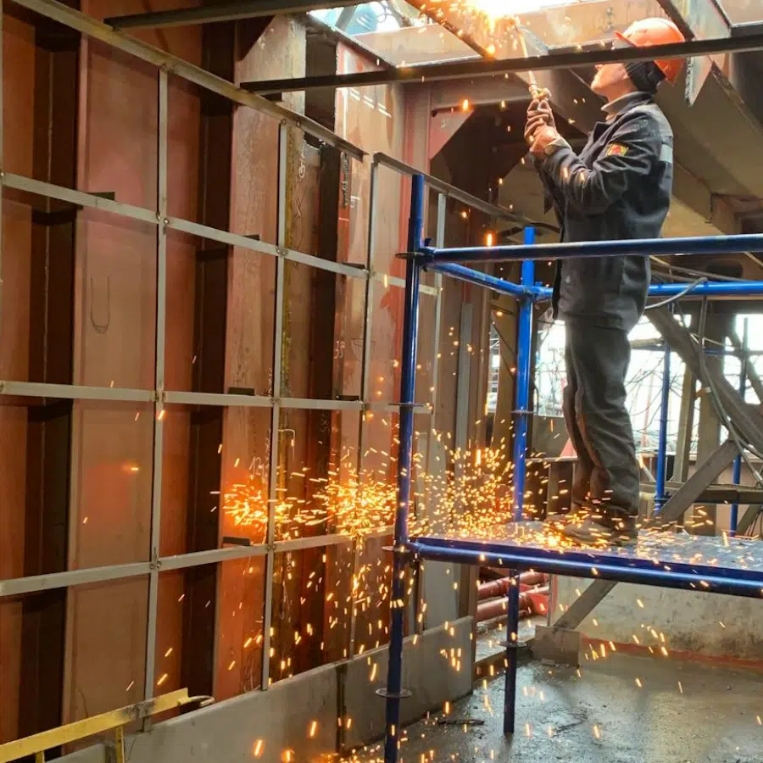
Unlike traditional roofing methods that may involve open flame application, liquid roofing systems are cold applied, eliminating the need for fire or heat sources during installation. 

While the fun of using a blowtorch might be exciting, the cold application method significantly reduces the risk of accidents, ensuring the safety of both our team and your property. 

Our poor team, though, they miss the thrill of working with flames! 

(We acknowledge that safety is paramount and prioritise it during every liquid roofing project!)
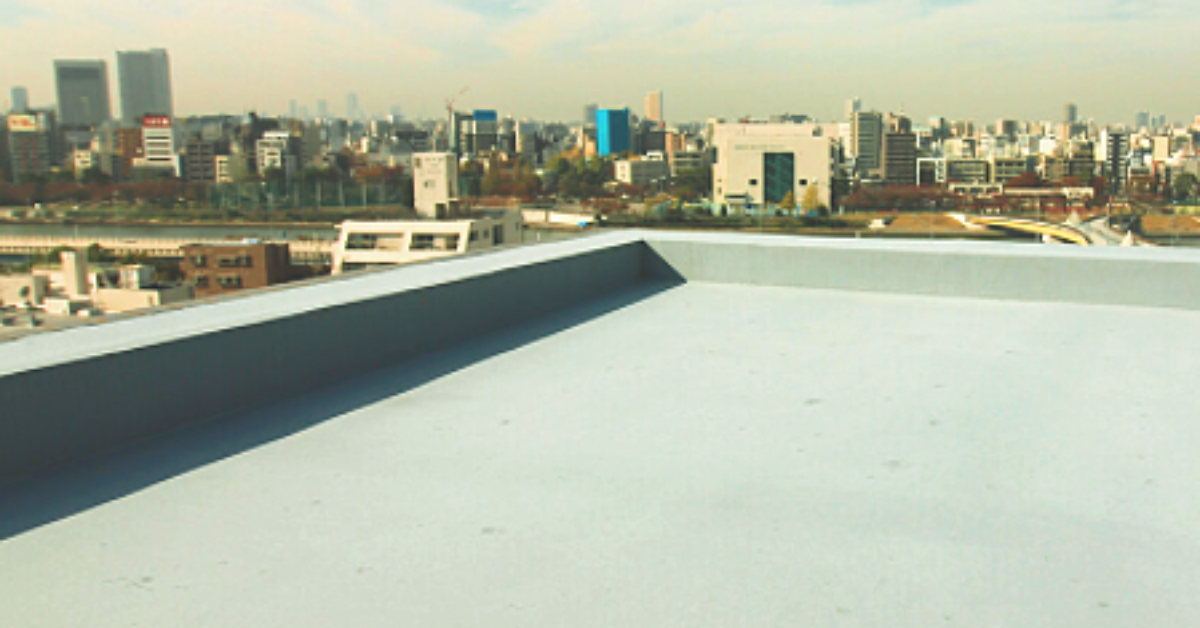
Liquid waterproofing for flat roofs

It’s A Quick Job

Often with maintenance, time is of the essence, and liquid roofing systems offer a swift and efficient installation process. If you have a smaller roof, the installation can often be completed within just a couple of days. Larger projects take more time but are still impressively fast.

The lightning-quick speed of installation with liquid roofing systems not only saves time but also reduces labour costs, making it a more cost-effective choice for property owners. Ultimately, you get more for your money since the installation job isn’t a lengthy one, and the roof you get is robust and long-lasting.

However… it does mean that our installation experts working on liquid roofing projects don’t get to enjoy the view from up high or catch some rays while working… sigh.

It’s Low Maintenance

One of the significant advantages of liquid roofing systems lies in their low maintenance requirements. Liquid roofing systems are incredibly resilient to weathering and are designed to withstand the test of time, which is great news if you have big plans for your commercial building or premises.

These roofs are engineered to resist UV exposure, extreme temperature fluctuations and even the damaging effects of high winds. In the UK, these are surprisingly important factors for a roof, as our weather and sun can reach occasional extremes, whatever the season.

Plus, since liquid roofing systems are applied seamlessly, there are no joints or seams that can serve as weak points for water penetration, providing a robust barrier against leaks and moisture damage. The low-maintenance nature of liquid roofing is a boon for property owners, as it means fewer inspections and repairs are necessary. 

Great for you, but means we don’t get to do as much! All you need is a professional inspection, a clean every so often, and you should be golden.

It’s Easy To Repair

Another sigh, as this means little to no costly repairs.

In the event of minor damages, such as small rips or tears caused by accidental dragging across the surface, repairs can be easily executed with a straightforward infill and seal process. 

Over time, you may encounter cracks due to prolonged UV exposure. These cracks can also be sorted efficiently, allowing for quick repairs that maintain the integrity of the roofing system overall.

The simplicity and cost-effectiveness of liquid roofing repairs mean that you save both time and money while making sure your building is protected. 

And that means you won’t see us anytime soon since you and your roof won’t need us much!

Do We Really Hate Liquid Roofing?

We hope you know most of this is in jest. We really think that liquid roofing is an incredible roofing solution, and it’ll mean your property is well protected for many, many years.

It’s just that we love our clients, and liquid roofing systems mean we don’t get to see them as much!  

So, whether you’re considering a new roof or weighing up roofing options for your next project, be sure to explore the advantages of liquid roofing systems. We are happy to discuss any questions you have. Get a quote today to see why we don’t really hate liquid roofing systems!

Latest Articles

Previous
Next

Common Problems With Liquid Roofing Systems

Roofing 14.07.23
liquid roof second

Request a FREE QUOTE

If you’d like to discuss a project you have we’d love to help.

Contact us today for a free no-obligation quote.

Get a quote

Liquid Roofing is one of the most popular roofing systems available – and for good reason. Liquid roofing provides both a reliable finish and a lovely, smooth appearance. It’s the ideal solution for many businesses and homeowners in need of a secure roofing system.

While it’s incredibly durable and long-lasting, nothing is perfect, and in this blog, we will look at the most common problems with liquid roofing systems.

What Are Liquid Roofing Systems?

If you’ve never heard of it before, liquid roofing might sound odd. It is, in fact, a modern roofing solution, offering a more durable and sleek alternative to EPDM or felt roofing. These are both traditional roofing options, and each has its own benefits, but liquid roofing provides some unique advantages.

This system is applied to the surface of the roof in a cold liquid form. It is left to cure into a long-lasting and resilient membrane that is fully waterproof.Not only is liquid roofing quicker to apply – as it can be spread across any prepared roofing structure efficiently – it also gives you unbeatable waterproofing.

That being said, there are problems with liquid roofing systems, just as there are problems with any roofing option. Sometimes, the worst happens against all the odds. Tears can occur, your system may not be properly applied, or it might not be right for you. 

There’s a lot to consider, so let’s start with the advantages of liquid roofing.

What Are The Advantages Of Liquid Roofing Systems?

As we mentioned, there are problems with liquid roofing solutions. But there are a lot of advantages to choosing liquid roofing too. 

A liquid roofing system makes for an excellent choice for almost any roof type, particularly flat roofs and pitched roofs. It can be applied to a wide range of materials, making it an easy choice for anyone with felt, metal, concrete or asbestos roofs.

Both residential and commercial buildings can use a liquid roofing system, as the finished product is both safe and extremely long-lasting. Here’s what you can look forward to with a liquid roofing system:

Lasts 30 years

Because of its unique composition and application process, this type of roofing system has exceptional longevity, boasting a 30-year-plus lifespan. This reduces the need for future replacements or repairs. 

Durable

Not only will your liquid roofing system last a long time, but it will also keep performing well throughout the years. The natural durability of the waterproofed membrane makes it resilient to even the harshest weather conditions. It can even withstand physical impact.

Seamless appearance

Your roof structure is safe, but how does it look? Liquid roofing provides an aesthetically pleasing finish with a seamless, smooth appearance. It can offer a flawless final look that matches perfectly with your property.

Watertight

A liquid roofing system gives you superior waterproofing, keeping your roof and your building safe and secure in all weather conditions. The properties of the liquid roofing membrane make it reliably watertight, so you can relax even on rainy days. 

Energy efficiency/insulation capabilities

This system stands apart from others because of its impressive energy efficiency and insulation properties. It can enhance your building’s energy performance by reducing heat loss and improving warmth retention in cooler months.

The Common Problems with Liquid Roofing Systems

Like any roofing system, there are some common problems with liquid roofing systems. Fortunately, there aren’t that many. It is an overall reliable system that has proven itself over decades of applications, but knowing what could go wrong is still important.

Use A Pro

Firstly, it takes a professional to apply your liquid roofing system properly. A lot could fail during application if you don’t know exactly what you’re doing. It may sound simple enough to spread the liquid and wait for it to dry, but you could make mistakes at each step, resulting in poor performance or a lack-lustre finish.

Tears And Rips

One of the things that can happen if your liquid roofing isn’t correctly applied or maintained is tearing. This isn’t a likely or frequent occurrence, but there is always a chance the membrane may rip in certain circumstances. 

A large tree branch may fall on your roof and tear the membrane, or if you climb onto your roof and accidentally cause severe damage, you could jeopardise the integrity of the material. Again, unlikely but not impossible.

Slippery

It’s important to remember that by its nature, your liquid roofing system is a smooth, waterproof membrane. It has a similar surface appearance to slick plastic. That means when it rains, your roof becomes noticeably slippery. It’s unwise to attempt to walk on or work on the surface of your roof when wet because you are likely to slip.

Cost

Compared to traditional roofing systems that were once the default or only options, one of the biggest problems with liquid roofing systems is the price. 

It can cost more than other options, but its benefits tip the scale in its favour – especially since its longevity will mean fewer repairs or replacements in the future, making it more cost-effective.

Forgetting To Check On It!

Since liquid roofing systems are so effective, neglecting essential maintenance is easy. Your liquid roofing can last for 30 years, but only if you continue to ensure its maintenance.

We recommend regularly inspecting our liquid roofing to ensure everything is in order. This can be a simple visit from a qualified roofing professional who can let you know whether you might not have noticed anything that has happened to your roof – such as damage or tearing.

Even easier than that, you can check for tears, rips or bubbles. If your roofing was properly applied, you’re unlikely to find these. It’s worth being cautious and putting your mind at ease by doing a quick visual inspection when possible.

Should You Choose A Liquid Roofing System?

If you’re looking for a roofing system that is long-lasting, reliable, watertight and visually impressive, look no further than liquid roofing. 

There are very few problems with liquid roofing, especially compared to some other, more traditional options. 

Get in touch to find out if your roof is suitable for a liquid roofing system here. 


Latest Articles

Previous
Next

Do You Really Need Liquid Waterproofing For Flat Roofs?

Roofing 07.09.22
flat roof repair second

Request a FREE QUOTE

If you’d like to discuss a project you have we’d love to help.

Contact us today for a free no-obligation quote.

Get a quote

Liquid waterproofing for flat roofs is often recommended by the pros – but is it necessary and what happens if you don’t opt for it?

We get into the nitty-gritty of liquid waterproofing for flat roofs, so you can decide for yourself if you really need it…

What Is Liquid Waterproofing?


Before we get to whether or not liquid waterproofing should be on your must-have list, let’s find out what it is exactly. 

Liquid waterproofing is a roofing system that prevents water ingress into your flat roof. It’s applied as a liquid which dries into a resilient membrane, repelling water and ensuring that your flat roof remains undamaged. 

There are different types of liquid waterproofing for flat roofs, each offering slightly different benefits. You don’t need to worry about the specifics of each type as your chosen professional liquid waterproofing contractor will advise you on the most effective options. However, if you are interested you can read about each type used on the Liquid Roofing & Waterproofing Association website here.

What Does Liquid Waterproofing Do?

We know that liquid waterproofing for flat roofs stops water seeping in, but what does that mean for your roof? 

Flat roofs in particular are vulnerable to damage caused by water. Since they are, well, flat, they are at higher risk from the problems that standing water can bring with it. You might have noticed puddles and pools of water on your flat roof after a shower of rain – these can be troublesome if they don’t quickly dry out. 

The issues that your flat roof faces aren’t always obvious, so here’s what to look out for;

Pools and puddles

As mentioned above, puddles of water that don’t seem to dry are concerning. If there is any damage to the membrane on your flat roof, the water will start to seep underneath which can impact the structure of your roof. 

This can result in;

  • Weakened structural components, like beams and wall studs
  • Damaged ceilings and walls
  • Mould and mildew within your property 
  • Damp insulation that reduces its effectiveness


Organic matter

While organic produce is desirable, organic growth on your roof is not. Where there is damp and warm there will also be things like moss and algae growth, which is the perfect home for bugs and mosquitoes. And where there are bugs, there are birds looking for a tasty snack. And where are there birds, there’s bird poop. All over your roof. 

And those puddles and piles of moss can give you a pretty significant unseen problem – the added weight to your structure. Moss can hold up to 30 times their weight in water, so if you have a lot, your flat roof is under constant strain.


Cracks, tears and rips

Your roof bears the brunt of the weather. From blazing hot days where the tarmac on the roads starts to melt to blustering storms and icy cold frost – the extremes that your roof sees you through can have an effect on its condition. Small cracks can develop into big holes and before you know it, you’ve got water leaking into your building.

Careful maintenance and regular checks help you to keep on top of developing issues, but it’s only with a proactive approach that you can be totally sure that your roof is problem free. By investing in liquid waterproofing for flat roofs, you guarantee that your roof will be impervious to the wet weather.

And it’s not just the rain and damp that you’ll be protected from. Liquid waterproofing for flat roofs protects your roof against all manner of environmental damage by adding a durable layer that can withstand heat, UV light, rain and frost.

So, Do You Need Liquid Waterproofing For Flat Roofs?

You need waterproofing on your roof, that is certainly a ‘need’. Whether that’s in the form of liquid waterproofing is up to you. There are several methods of waterproofing a roof, but at GI Sykes, we’ve found the most effective and least disruptive solution is liquid roofing. Here’s why:

The liquid is applied cold, so there’s no need for hot works on your roof – that’s a huge safety risk averted – for you and us. This also means we can carry out the project without impacting your business as there is no need to close or restrict access to your building.

Liquid waterproofing for flat roofs (or pitched roofs) can be done any time of year. There’s no need to wait for dry spells since liquid roofing can be applied even in wet weather. We avoid working in torrential conditions due to safety, but in any other weather we crack on.

It’s the most cost-effective solution we offer. Not only is liquid waterproofing one of the quickest waterproofing solutions available, but we’re also adept at applying it. This means a competitive price on your project with little to no impact on your business. 

And the best bit? Liquid waterproofing for flat roofs extends the lifespan of your roof by up to 25 years. So you can delay a roof replacement for over two decades, giving you plenty of time to save and plan for it.

What Happens Without Liquid Waterproofing?

You could choose to forgo liquid waterproofing for flat roofs. Take your chances with your roof as it is, but the risk of needing significant roof repair at some point is much higher. 

You may even find yourself spending out on frequent remedial work that ends up costing more in the long run. 

Want Liquid Waterproofing For Flat Roofs Now?


After hearing how simple and effective liquid waterproofing is at protecting and preserving your flat roof, you probably want to find out how you can talk to someone about your roof. It’s easy, just visit gisykes.co.uk or call Tel: 01384 891 341 to arrange an appointment. 

Latest Articles

Previous
Next

The Benefits (And Downsides) Of Liquid Roofing Systems

Roofing 13.05.22
liquid roof systems

Request a FREE QUOTE

If you’d like to discuss a project you have we’d love to help.

Contact us today for a free no-obligation quote.

Get a quote


We are often asked about liquid roofing systems – our clients want to know if it’s a good option for protecting and repairing their industrial roofs. As highly experienced contractors we like to share our knowledge to help people understand the processes a little more, so they can make an informed decision about their property maintenance. 

So if you have a roof that needs repair, you have a new roof that you want to protect or you’re just curious about the ways you can reduce your ongoing maintenance costs, this blog is for you.

Read on to find out what liquid roofings are, how they can extend your roof’s lifespan for up to 30 years and if there are any downsides to the process…

What Are Liquid Roofing Systems?

Well, the name gives it away a little – liquid roofing is quite literally a liquid substance that is applied to your roof to prolong its lifespan. Liquid roofing use a selection of materials to create a watertight barrier on your roof – different systems have different strengths and weaknesses. 

So, in order for you to know which is the right choice for you, let’s go into more detail.

The use of protective coatings to preserve a surface dates back to ancient times when bitumen was used to line canoes and boats to keep them watertight. This practice continued through the centuries with substances such as tar or pitch used to seal the wooden decks of ships – so the concept of liquid roofing is far from a new one.

But it’s only when you pair the process with the latest developments in waterproofing technology that you see just how far liquid roofing has come.

Nowadays, the substances used to coat your roof have been carefully formulated to handle whatever the weather throws at it – from the coldest frost to the hottest sun.

There are several types of liquid roofing that we can use, depending on the type of roof you have and the problems you’re experiencing.

Polymer Modified Bitumen

As we’ve discovered, bitumen has been used to waterproof vessels for an incredibly long time – and as the saying goes ‘if it ain’t broke, don’t fix it’. Except in this case, it was enhanced. 

For use on your roof, bitumen is modified with polymers to increase its durability and flexibility once dry.

Polyurethane-Based Systems

Polyurethane roofing systems are one of the strongest roof coatings on the market. Its long-lasting durability, coupled with its ability to reflect UV rays makes it a good choice for large roofs that are in direct sunlight.

Polyester-Based Systems

Polyester based roofing systems have the longest life expectancy of all the options, lasting up to 30 years. Some types use fibreglass to reinforce the polyester resin, while others use a polyester fleece (similar to the kind you wear to keep the chill away!) which absorbs the resin to become a uniform and unyielding membrane.

What Are Liquid Roofing Used For?

The primary purpose of liquid roofing is to provide a waterproof coating to your roof. In doing this, your roof is protected against the most damaging weather – rain. 

Any type of liquid roofing system means that any rainwater easily runs off your roof, rather than pooling where it can start to seep through the layers of roofing membrane.In addition to this, at GI Sykes, our liquid roofing systems provide an excellent option for repairing minor cracks, rips and tears.


What Are The Benefits Of Liquid Roofing Systems?

There are plenty of benefits to having a liquid roofing system installed. They key benefits are:

Waterproofing Your Roof

An obvious benefit, we know. A liquid roofing system means that you don’t have to worry about standing water on your roof causing problems.

Your Roof Looks Great

Thanks to its application process, liquid roofing looks neat, smooth and seamless. It helps to give your building a tidy and well-cared for finish.

Seamless Repair

Our roofing systems mean that any cracks or tears to your roof are sealed with a fully bonded waterproof coating. It’s a simple but very effective repair option.

A Roof That Reflects UV Rays

Liquid roofing can reflect UV rays, helping to reduce the temperature within your building. Some roofing systems do this better than others, so if you think you need a cooler environment in the summer, we’d be happy to advise you on the most suitable options.

A Longer Lasting Roof

Liquid roofing adds a protective layer to your roof which helps to extend its lifespan considerably. Not only are you saving thousands in replacement costs, you’re also reducing the environmental impact of adding more waste to landfill.

Less Maintenance For Your Roof

And since your roof is nicely protected, you will find you have less problems with it. Leaks will be a thing of the past, so your roofing maintenance will be much reduced,

Super Fast Installation

Liquid roofing takes very little time to install – some projects take just one day to complete. It’s also non-disruptive so you can carry on about your day while your roof is taken care of.

What Are The Drawbacks?

The list of drawbacks to investing in a liquid roofing system is a one. There aren’t any. 

However, these are the things we think you should consider if you are planning on using a liquid roofing system on your building.

Poor Application Looks Bad

Imagine the Mona Lisa. Carefully placed brushstrokes, all coming together to create a work of art. Now picture a toddler’s painting. Streaks and blobs all over. While cute, it’s not the finesse you want hanging in a gallery (we do love to see them on the fridge though!).

The application of liquid roofing is something that’s best left to the experts – otherwise you might end up with a streaky, blobby mess.

Hazardous When Wet
Due to its waterproof nature, liquid roofing is incredibly slippery when it is wet. The only people who should be on your roof are trained professionals with the right equipment. 

You Need A Reminder

Liquid roofing is so effective, you may forget to book your regular roofing maintenance check. Even though you may not see any problems, it’s still advisable to have routine inspections.

Want To Talk Liquid Roofing Systems?

If you think that a liquid roofing system might be the solution for your roof, we’d love to talk to you in more detail about the options available to you. All you need to do is request a free quote and one of the team will give you a call to arrange a site visit.


Latest Articles

Previous
Next

Got a Project in mind?

If you’d like to discuss a project you have we’d love to help.

Contact us today for a free no-obligation quote.

Get a quote