Dilapidations and Repairs: 5 Ways You Can Increase Your Property’s Value

Building Repairs 14.05.24

Request a FREE QUOTE

If you’d like to discuss a project you have we’d love to help.

Contact us today for a free no-obligation quote.

Get a quote

Dealing with repairs and dilapidations is part of owning and renting out a property, but that doesn’t stop even the best landlords and property owners from wanting to leave them as long as possible, putting off the cost of repairs until it really has to be done – often thinking they’re saving money.

However, short-term savings can become a greater long-term cost.

Dilapidations affect your property, and regular repairs can not only keep costs down but also increase your property value. Read on to discover five ways repairs can increase property value!

The Cost of Disrepair

Letting your property slip into disrepair is hardly cost-effective. You might feel that doing all the repairs at once is the most sensible option – perhaps when your current tenants have left, and you can cover a lot of the cost under dilapidations – but that is far from the case. Untended issues have a horrible tendency to grow and become a bigger problem.

Imagine, for example, a small roof leak. A survey and maintenance schedule could mean it’s taken care of in the general run of things, costing a few hundred to ensure the roof is in great order throughout the year. But leave it alone and it can grow, causing water damage to the underlying structure and even potentially meaning a second of the roof collapses. Now you’re talking thousands, and maybe tens of thousands.

It’s not just about the direct costs, either. Tenants want to live or work in a building that’s in good repair and will become dissatisfied if little fixes go undone for long periods. It’ll increase the chance of a tenant dispute and could mean they leave altogether, leaving you with the loss of good tenants, an empty building for a while, and the cost and effort of securing new tenants.

Plus, those new tenants will want the repairs done, too!

There are also safety and legal ramifications. The last thing you want is for someone to be hurt because of an accident that could have been avoided.

The best thing is to keep on top of the repairs. Regular maintenance reduces the risk and keeps the overall costs of repair significantly lower.

That’s all very good, of course, but what about how repairs can actually increase your property value? What are these five ways?

1 – Enhanced Curb Appeal

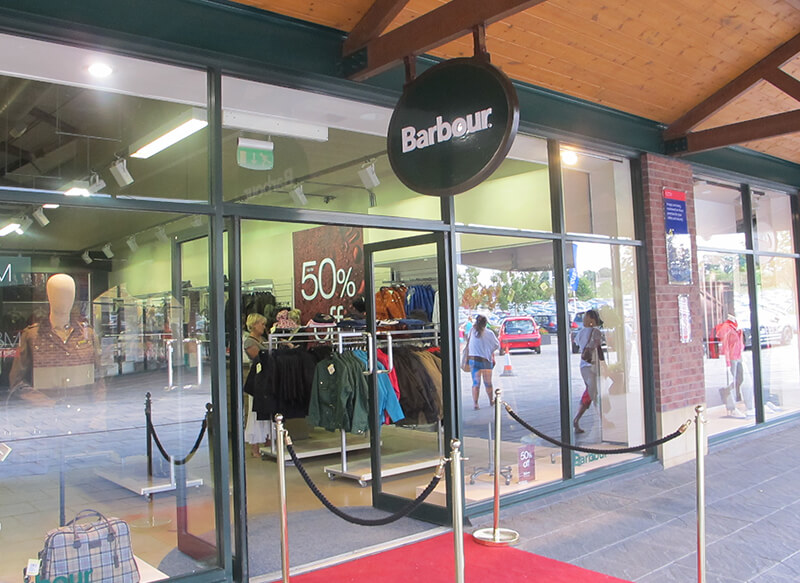
Everyone judges based on looks, even if they protest otherwise! If you’re looking to give your property the best possible chance of getting tenants, then you need the outside to shine.

A clean, well-managed exterior provides a positive impression, and it’s easier to maintain and keep up the good looks.

GI Sykes dilapidations and repairs cover:

  • Cladding – Sprucing up the cladding on the outside of your building makes such a huge difference. Our cleaning or respraying solutions will make it gleam as good as new – plus, if you’ve been looking to change the colour scheme, you can do both at once.
  • Window Frames – It’s amazing how the mind works. If your visitors see grimy or damaged window frames, it seeps into their perceptions and sticks as a bad impression. Our team will clean, repair, and respray your window frames as needed.
  • Hardscaping – Car parks, external loading areas, paved sections; getting the hardscaping up to scratch properly requires professional workmanship. We can help you make it all perfect again, with no cracked paving, no holes, and no cracks for unsightly weeds to make their home.
  • Painting and Spraying – External walls benefit from weatherproofing and improved longevity, as well as a new visual lease of life when they’re expertly painted. Get rid of anything unsightly and give your walls a fresh coat.
commercial painting 2

2 – Improved Functionality and Safety

No one wants to rent or buy an unsafe space, and honestly, no one should want to try to rent one out or sell one! Not only do you want to make sure your repairs ensure the building is completely safe for use, but why not go the extra mile and make improvements that’ll set you apart and add value and enticement – such as high-spec security, for example.

No one is renting or buying an unsafe space, so these repairs need to be high on your list. But this gives you the chance to make improvements that set you apart – high-spec security, for example. It’s a simple way to add value to a building.

The GI Sykes team can help with:

  • Electrical Rewiring – It can be surprising how quickly electrical wiring needs repairs or replacement, and it’s equally surprising how little it’s sometimes checked! Make sure it’s all up to standards, and maybe add a few points in places that have been left powerless for too long.
  • Levelling Flooring – Poor flooring can be hazardous, but years of wear and tear are not unusual and can lead to unexpected problems. A survey and subsequent repair will make the floor safe and level throughout the building.
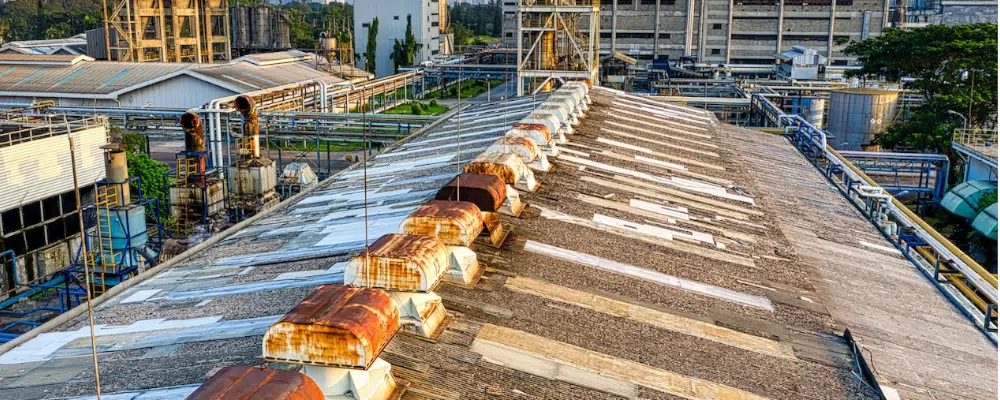
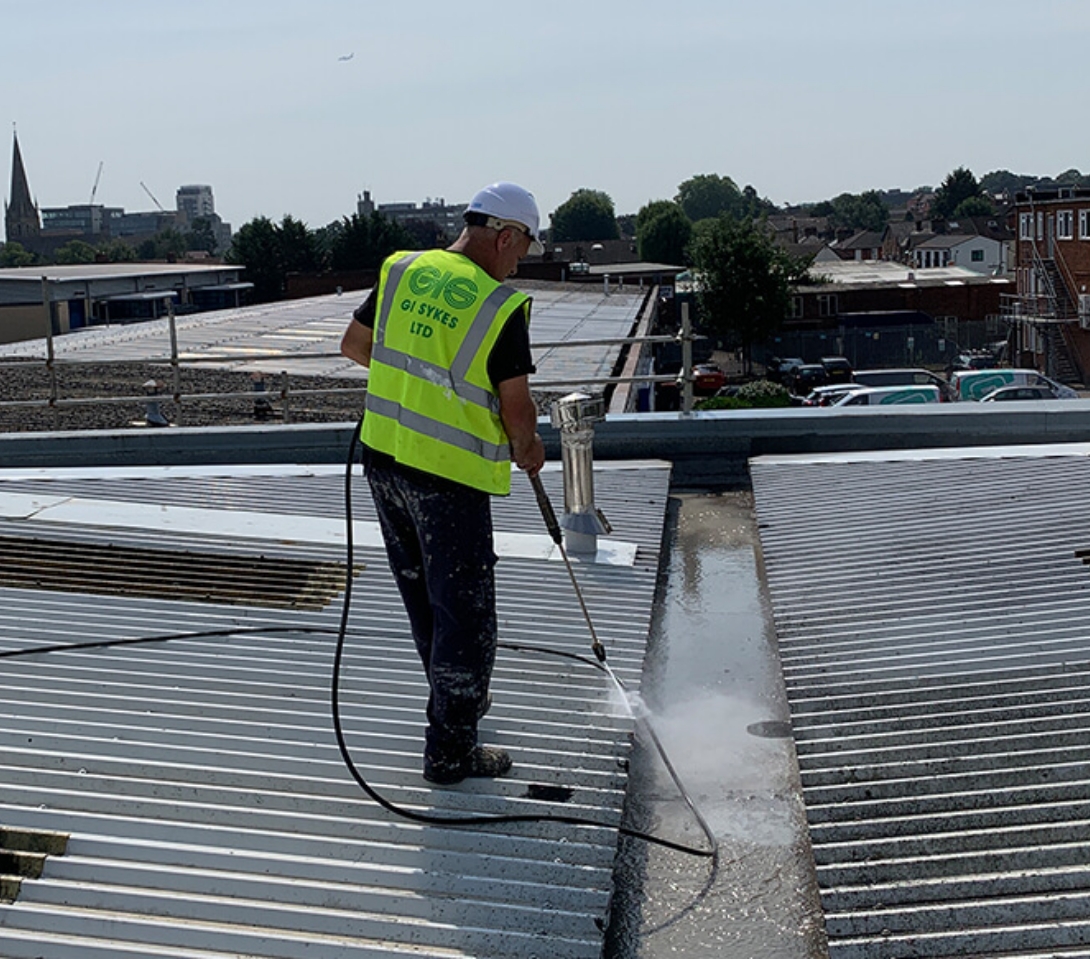
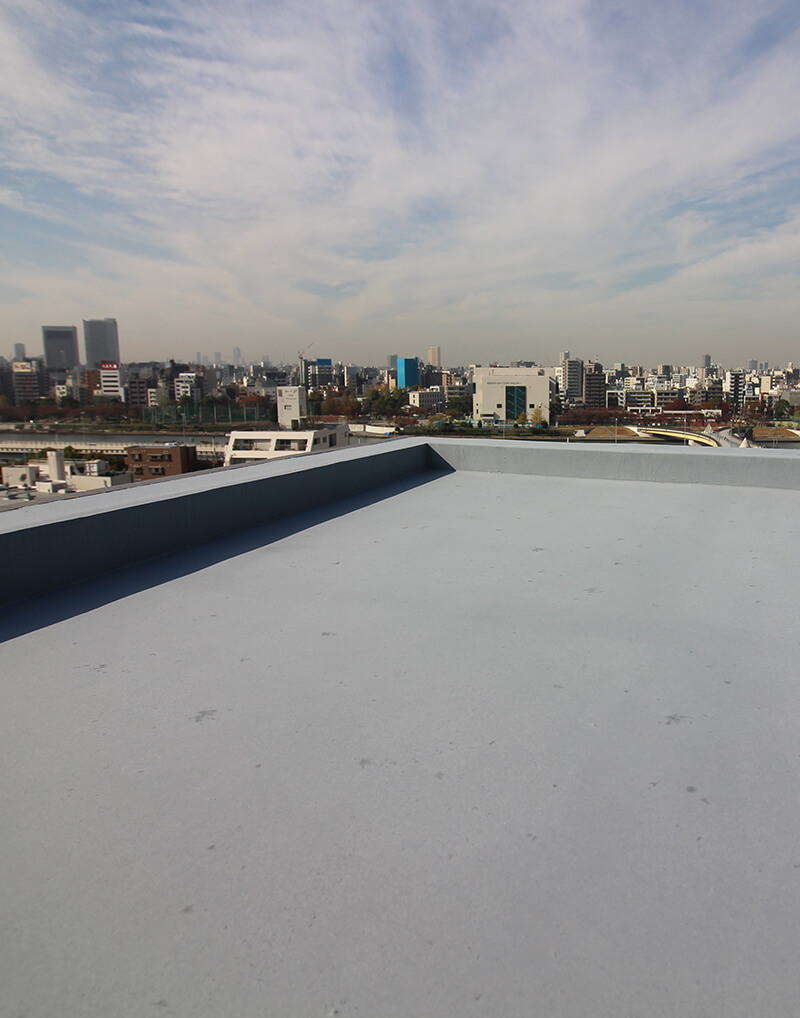
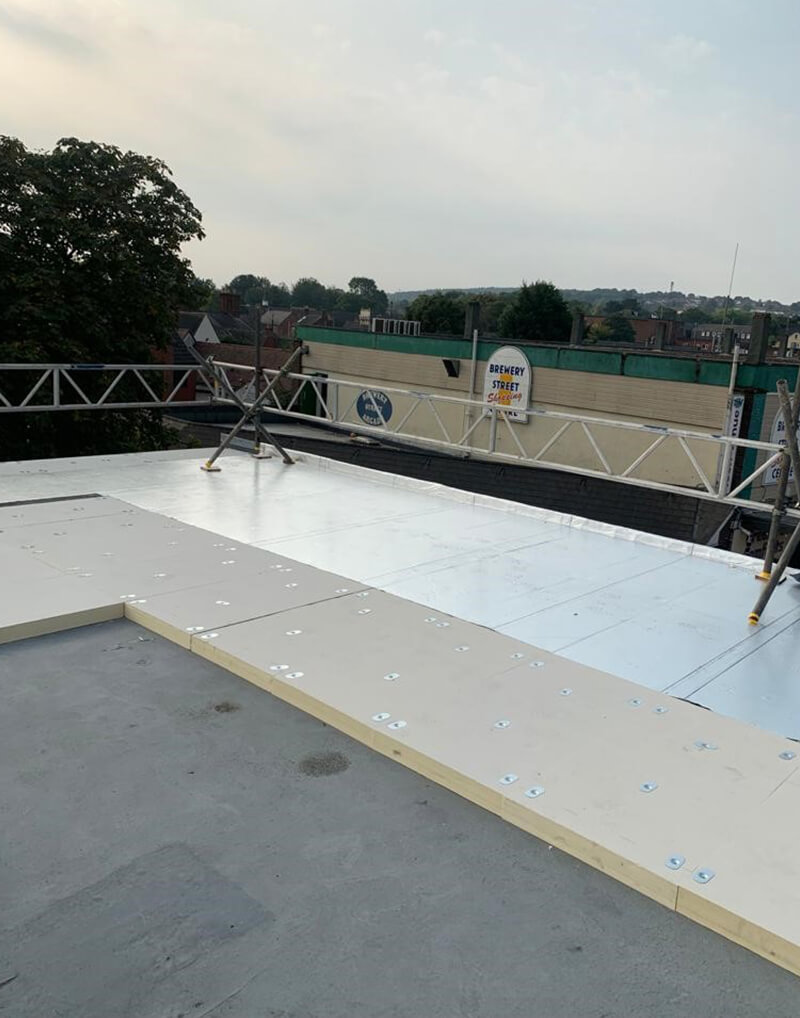
  • Roofing – One thing that we’re keen on to save cash in the long term is regular roof maintenance. Whether you have a flat roof or a pitched space, it’s essential that problems are dealt with sooner rather than later. Don’t let your roof let your building down.
  • Suspended Ceiling Repair and Replacement – Suspended ceilings are great for so many reasons, but they are surprisingly easy to damage. In any commercial building, the chances are that there are sections of the ceiling that need repair, and often, a minor repair can make all the difference. The last thing you want is a ceiling tile or section of lighting to come crashing down.
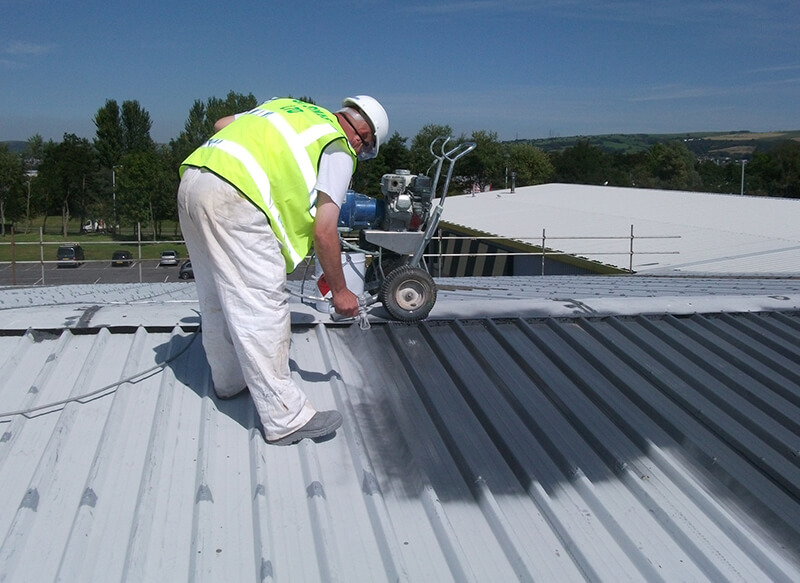
roof coating 2

3 – Increased Energy Efficiency

In the last few years, as energy prices have (somewhat ironically) risen through the roof, ensuring your building has good energy efficiency has become essential. Not only does it save on running costs, but it’s a lot better for the planet, and we all have to do our part there. 

Repairs to the roof and walls improve the energy efficiency, as does checking and potentially upgrading your insulation. Don’t stop there, though. Consider updating your lighting to take advantage of more efficient smart technologies, check the windows and glazing as a potential weak spot, and have your heating and air conditioning systems regularly maintained.

4 – Revitalise the Inside to Increase Marketability

An old and outdated building isn’t going to gather lots of interest, but with the right repairs and refurbishments, it can become something extremely attractive.

With GI Sykes, you can consider:

  • Toilet Refurbishment – One of the key spaces canny potential tenants or buyers will examine is the toilet facilities. If these are sparkling, and provide the perfect space, then interest will be high.
  • Partitioning – Divide the rooms into better arrangements to make better use of your internal space and create more opportunities.
  • Kitchen Refits – Nothing turns off commercial tenants more than having a squashed and poorly fitted kitchen area; the best business owners consider facilities for their employees very highly. Modernise the kitchen and rest areas and make them places people will enjoy using and congregating.

5 – Compliance with Regulations

OK, so our fifth choice won’t technically make you more money, but it will stop you from losing it if something terrible happens! There are many regulations that buildings need to comply with, and those in disrepair are likely to fail to meet standards.

As part of GI Sykes repairs, we can help you evaluate your fire assessment and fire prevention installations, any needed asbestos removal, and a proper appraisal of all the facilities. 

Using GI Sykes For Your Dilapidations and Repairs

Our team at GI Sykes is made up of experienced professionals with the range of skills needed to ensure your commercial building is maintained to an extremely high standard. With our help, your property will command the highest fees, and the tenants will be all-too-happy to pay them, knowing they are well-considered and looked after in turn. Get in touch today to discuss how we can help.

Latest Articles

Previous
Next

Flat Roof: Repair Or Replace?

Roofing 14.04.23
flat roof repair second

Request a FREE QUOTE

If you’d like to discuss a project you have we’d love to help.

Contact us today for a free no-obligation quote.

Get a quote

Flat roof looking worse for wear? Wondering if you should look at flat roof repair or go for a full replacement? How do you even know when your roof is in need of attention?

As far as roofing goes, flat roofs are effective and long-lasting, but like all things, they eventually become victims of old father time. Common problems can occur with leaks, moss and weathering; if ignored or unnoticed, you can end up with a far more significant problem.

Knowing whether your problem requires repairing or replacing your flat roof can be difficult. But a little knowledge can go a long way, so we’ve written this blog to give you everything you need to know about flat roof repair so that you can make an informed decision.

Types Of Flat Roof

First things first, what type of roof do you have? 

To find out whether you need flat roof repair, you need to know what kind of roof you’re dealing with. Your roof structure can impact a few factors when it comes to repairing or replacing, like risk, cost and difficulty. 

Take a look at the three types of flat roofing and see which one sounds most like yours.

BUR

A BUR is a Built-Up-Roof. This is a roofing system that uses layering to create a strong and durable roof. Various materials are built on top of each other in a method that’s been used for over 100 years. It’s a tried and tested system, though we’ll admit the materials used have been updated over the years for a longer-lasting result.

MBR

A Modified Bitumen Roof – or MBR – is a commonly used alternative to traditional built-up roof styles. To get its flexible quality it’s made of asphalt lined in a mineral topcoat. Usually, it’s part of a two or three-layer system to make sure it stays watertight for longer. 

EPDM

Used worldwide, EPDM (ethylene propylene diene terpolymer, quite the mouthful we know) has grown in popularity recently. It’s an extremely secure and reliable solution for flat roofing, because of its easy and quick installation and durable finish. 

Now you know what type of roof you have, you’re armed with the knowledge you need to prepare for that looming repair or replace decision. 

But hold on – how can you tell if your flat roof is even in need of repair to start with? Well, your roof will certainly let you know when some noticeable problems start appearing.

Common Flat Roof Repair Problems

Of course, if your roof is falling in and you stay drier outside than in, you’d know it was time for a new roof. But the signs that you need some flat roof repair help can be a bit harder to spot, especially since you probably don’t go up a ladder to inspect your roof every week.

The most common culprits for roof damage and wear are also the clearest indicators that you should think about repairing sooner than later. 

Leaks

Leaking is most often the result of damage to the membrane layer of your flat roof. The damage level can vary in severity but the more leaks you see, the more damage is likely. Some tears are easily repaired or patched but bigger areas might be more cost-effective to replace.

Pooling/Ponding Water

Water pooling is a result of an uneven flat roof surface. In most cases this defect can be repaired, but if left too long bigger problems can rear their head, which might be more expensive and end up requiring a full replacement.


Moss, Algae and Plant Growth

The growth of all things green or gooey is the result of dampness. This is a bad problem to have because it encourages bugs, pests and birds to come up and nest or feed. This growth holds water so it can add weight on your roof, but maintenance can keep it at bay altogether.

Alligatoring

Cracking of your top membrane layer is usually the result of weathering after constant UV rays and extreme temperatures. It can lead to water ingress, leaks, and further damage of your flat roof structure. Repair is your best choice if the area is small, but replace if it’s big.


What’s The Cost Of Flat Roof Repair?

As you might expect, flat roof repair is cheaper than replacement, but depending on the scale of damage you’re dealing with, it can be more cost-effective to replace.

Factors to consider when you’re choosing between flat roof repair or replacement are…

  • The size of the problem – big and small problems both require quick action, to prevent the situation from worsening and taking the choice out of your hands.
  • Type of repair – there are lots of options to fix a flat roof including EPDM, PVC, mastic asphalt and more, and each method has its own costs, difficulty and results.
  • Cost – a lot goes into the cost of your repair, like scaffolding if required, materials, labour, insurance – and not forgetting that quality work is worth a higher investment.

While replacement can set you back considerably more, the price of flat roof repair also has a lot of dependent factors. From the size of your roof, to the material of your roof and the method being used to fix it, there’s a lot that goes into the cost. 

Now, we can’t give you an exact price (unless you get in touch for an accurate flat roof repair quote), but generally speaking, you can pay anywhere from £800 – £1400 for your flat roof problems to be solved. 

Should You Repair Or Replace Your Flat Roof?

It’s the big question. Repair or replace? Replacing your flat roof is likely to cost you more, and repairing an issue before it gets worse is always the ideal solution. In most cases, common problems can be resolved through repair and ongoing maintenance. 

While you might be tempted to DIY your repairs, it’s worth getting a price from our flat roofing experts, and getting the job done right the first time.


Latest Articles

Previous
Next

Why Flat Roof Repair Is So Expensive?

Roofing 28.02.23
flat roof second

Request a FREE QUOTE

If you’d like to discuss a project you have we’d love to help.

Contact us today for a free no-obligation quote.

Get a quote

If you’re looking into repairing a flat roof, you probably have a few questions about it. The usual queries we get at GI Sykes are things like: ‘how long does flat roof repair take?’ and: ‘how do I know if I need to repair my flat roof?’. But the question we’re asked the most is ‘is repairing a flat roof expensive?’

Well, how long is a piece of string?

We’re joking, of course – but the reality is, estimating the cost of a flat roof repair means understanding just what the problem is and the extent of the work that needs to be done. It also depends on what you consider expensive – for some businesses, a couple of thousand pounds is a small amount to find; for others, it’s going to be tight. 

So, while we can’t give you a specific answer in this blog, we can outline the factors we use when pricing a roof repair. That way, you can a) understand our quote when we send it to you and b) make sure any other quotes you get includes everything to avoid any nasty ‘hidden’ extras.

Let’s get to it!

Flat Roofing Repairs: An Overview

Repairing a flat roof can mean anything from a quick patching job to a whole roof coating – and obviously, these carry very different costs. Below you’ll find a rundown of the common issues we carry out roof repairs on.

Alligatoring

Alligatoring is a term used to describe one of the most common problems experienced with flat roofing. It’s when the asphalt used to coat your roof’s membrane starts to age. Over time, the asphalt loses its elasticity and starts to dry out, and as it does so, it begins to resemble the skin of an alligator. And while this might be a fashion statement on a handbag, it spells big trouble for your roof.

You see, asphalt is what keeps your roof watertight, so once that’s compromised, you are more likely to find other problems arise, like leaks.

Leaks & Water Ingress

You probably don’t need a blog to tell you that if water is coming through your roof, you need to get it repaired. So we won’t. But we will explain why it’s happening and what it means if you delay sorting it. 

Leaks happen because your roof coating has been jeopardised. That may be because of a tear, it may be because of total coating failure, or you might have a missing flashing. Whatever the reason, fixing the cause means you don’t risk more substantial problems with the structure of your roof or the ceiling below. Water seeping in can cause the wooden beams to rot, the plaster to come away and mould to form – all things you want to avoid.

Blistering

Bubbles or blisters in your flat roof mean that air has become trapped between the layers of the membrane. These blisters don’t pose an immediate threat, but the coating can crack over time, allowing water in. If you only have a few small blisters, you can keep an eye on their development and delay your flat roof repair for a short time; however, if there are lots of bubbles or they’re large, you should address the issue promptly.

Ponding & Pooling Water

If your roof has puddles that take a while to dry up following rain, you might have what’s known as ponding. It means that your flat roof is no longer completely flat but has areas where it has sunk. Water collects here rather than running off and, depending on how deep they are, can take a long time to dry out. 

Standing water on your flat roof can affect the integrity of the coating, add to the weight load of your roof, it can freeze and cause splits.


So, What Makes Repairing A Flat Roof Cost So Much?

Once the issue (or issues) has been identified, we will look at what we need to do to repair your roof. There are some things we’ll require for all jobs, and some are more specific. The factors we include for all flat roof repairs are;

Scaffolding

Most roofing work needs safe access and platforms for contractors to work from. Scaffolding adds to the cost of your project, but it also adds to its safety. 

Materials

It’s no secret that construction materials have been subjected to some rather eye-watering price increases over the last couple of years. Low stock, supply chain disruptions and increases in shipping, energy costs and fuel have meant that some products have gone up by 20% since 2020. 

Your flat roof repair cost will depend heavily on what materials we need. However, thankfully, a lot of the materials we use for roofing have started to drop in price, but things like timber are still fluctuating.

Quality

One factor that makes repairing a flat roof a costly venture is the quality of the contractor you use. You can probably find someone willing to carry out the work for a lesser price, but with so many rogue traders cashing in on people’s desire to cut costs, there’s a chance you end up with a roof repair that won’t last – or worse still, that never happens.

We all know the horror stories of customers handing over hefty deposits for work that doesn’t get done. And it’s sadly all too common. 

GI Sykes has been around for half a decade – we’re certainly not going anywhere! We employ all of our staff rather than use sub-contractors; each is highly experienced and trained in their trade. We wholeheartedly stand by the quality of our workmanship and guarantee it, so you know that your roof repair is an investment that will see you right for years to come.

Plant & Equipment

Like our people, we only use the most effective and reliable machinery, which is regularly serviced and maintained. It ensures the safety of the operatives, the safety of your building and delivers a better job. 

Insurance

If you own a company, you’ll know that commercial insurance is an essential cost of business. We carry the highest levels of insurance, which protects you just as much as us when we’re working on your premises. 


Flat Roof Repair: Expensive, But Cheaper Than Flat Roof Replacement!

So there you have it, some of the reasons why repairing a flat roof costs what it does. But before you dismiss your roofing issue as one you can ignore, have a quick Google for the cost of roof replacement – it’s a whole lot MORE expensive!

If you want to talk to us about any issues you have with your flat roof, please get in touch. We can arrange a no-obligation consultation so you can find out exactly what it’ll cost to have it repaired.

Latest Articles

Previous
Next

Flat Roof Repair: 5 Warning Signs You Mustn’t Ignore

Roofing 06.12.21
flat roof repair second

Request a FREE QUOTE

If you’d like to discuss a project you have we’d love to help.

Contact us today for a free no-obligation quote.

Get a quote

Is your flat roof in need of repair? Flat roofing is a cost-effective option, that’s why so many buildings choose flat roofs. You might have heard that flat roofs don’t last very long, but that’s not strictly true. With the right care and attention, you can extend the life of your roof to give you a watertight and long-lasting solution. 

Issues with a flat roof can be due to weather, the age of the roof, and general wear and tear. When it comes to flat roof repair, the most important thing is to spot the early signs of damage before anything more serious and costly happens. 

Already noticed one of these warning signs? 

The next crucial step is deciding whether a complete replacement or a flat roof repair is the better option for you. A specialist contractor can give you the best suggestions either way. 

Most of the time a repair will be more cost-effective than a full replacement (as you might have guessed) and ultimately extends the life of your existing roof. That’s why it’s a good idea to watch out for little things like a small leak. They can snowball into bigger problems if you put off little repairs too long!

Here’s what you need to watch out for… 

1: Water Pooling And Flat Roof Repair

This is one of the biggest problems we come across. Pooling water might not seem like a serious matter if you’re not seeing it seep through the roof, but it can cause big issues if left unresolved. Water pooling causes stress and pressure points, which leads to cracks over time. 

Why does it happen? 

Unfortunately, your flat roof may not be, well, perfectly flat!

If your building has shifted or settled over time then small – or even large – divots can occur in the surface of the roof. These dips naturally gather small amounts of water when it rains. 

Flat roofs are designed to withstand some water gathering, but persistent water pools will cause wear over time if they don’t drain properly. If the pools happen consistently and in the same spot, then your building is more at risk of damage.

Keep an eye out for water pooling that frequently occurs in the same spots or gets worse over time. If you spot something concerning, get your roof checked out by a professional roofing contractor.

2: Flashing

Flashing is a thin sheet of material meant to prevent water from seeping through your roof. It can be tempting to ignore flashing problems because it’s not always easy to see the full extent of them. 

But this is a big mistake.

If left unresolved, these problems can worsen and lead to more serious damage.

Flashing can pull away from the edges of the roof as time passes. This is because flat roofs with asphalt will inevitably expand and contract with heat and moisture changes in the surrounding environment. 

If moisture gets trapped between the layers of the roof, leaks can appear in your ceiling – something no building owner wants to deal with on a Monday morning!

You might think things like small leaks and flashing that’s coming away from the edges can wait a little while. Unfortunately, if you don’t invest in flat roof repair at the earliest sign of flashing issues, you might be forced to replace your flat roof entirely.


3: Top Coat Damage

Topcoat is a solution covering the roof to give a nicer cosmetic finish as well as an important watertight seal. The most obvious sign of top coat damage you can look out for, or listen out for, is a fluttering noise. 

When outside or even sometimes inside your building, listen for a constant fluttering sound. This will be most noticeable during high winds. If you can hear this clearly, it’s likely that your top coating is damaged. 

Visually, you can understand the problem best as the top layer of material coming away from the rest of the roof and literally fluttering in the wind. When it does this, you can imagine the gradual damage this causes as your roof is exposed to the elements.

Don’t let your flat roof fail entirely because of something as simple as top coat damage. If you’ve seen some signs of top coat wear, then get a flat roof repair contractor to assess the situation.

4: Organic Growth 

Organic growth is exactly what you think it is. Sometimes things like moss, algae and lichen can grow on or even start to cover your flat roof. This isn’t a huge problem in itself, but it is a clear sign that your roof needs some help. 

These types of organic growth on your flat roof signifies that there is water either pooling or being retained by the roofing materials. If you leave this plant life to its devices, it can lead to some pretty severe damage. 

If you’ve noticed anything growing on your roof then get a flat roof contractor to inspect it, as something simple like flat roof cleaning could be the easiest solution.


5: Leaks And Moisture

The most obvious sign that your flat roof is in need of repair – cracks and leaks! Like any other roof, flat roofs can be vulnerable to unwanted moisture. With leaks or moisture being absorbed from long term pooling, cracks can appear and eventually worsen.

The biggest problems that come with excess moisture are mould and structural damage, and nobody wants their roof diagnosed with either – they can mean big expenses.

Having your flat roof inspected regularly for signs of leaks and moisture will prevent any mould problems from popping up in the first place. 

If you don’t manage to catch the issues when they first appear, make sure you ask the advice of a trusted flat roof specialist or you could find yourself shelling out for a whole flat roof replacement instead.

The Benefits of Repairing Your Flat Roof

The last thing you want is to fork out for a flat roof replacement when you didn’t need to. That’s why ongoing maintenance and flat roof repair is your most cost-effective and convenient solution. 

Other benefits of repairing your flat roof include: 

  • Longer-lasting roof – You can extend the life of your roof by preventing bigger issues. 
  • Protect your property – Preventing damage to your building and interior. 
  • Greater peace of mind – Knowing that your roof is watertight when the wet winter months come.  
  • Less Hassle – Flat roof repair is usually quick to do and can be done without closing down your building. 
  • Avoid business interruption – Avoid the inconvenience of shutting down your building due to water damage or a full roof replacement. 

If it’s industrial and commercial flat roof repair you’re looking for, GI Sykes is the roofing contractor you can trust. With 55 years in business, GI Sykes is a family run contractor offering reliable service and clear quotes. Don’t leave your cracked, leaking, or compromised flat roof unchecked. Contact us for a free quote here. 

Latest Articles

Previous
Next

Got a Project in mind?

If you’d like to discuss a project you have we’d love to help.

Contact us today for a free no-obligation quote.

Get a quote